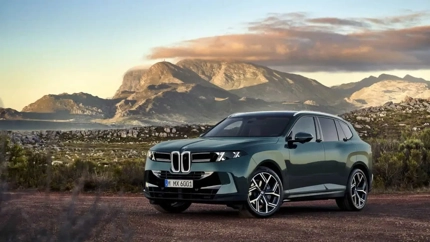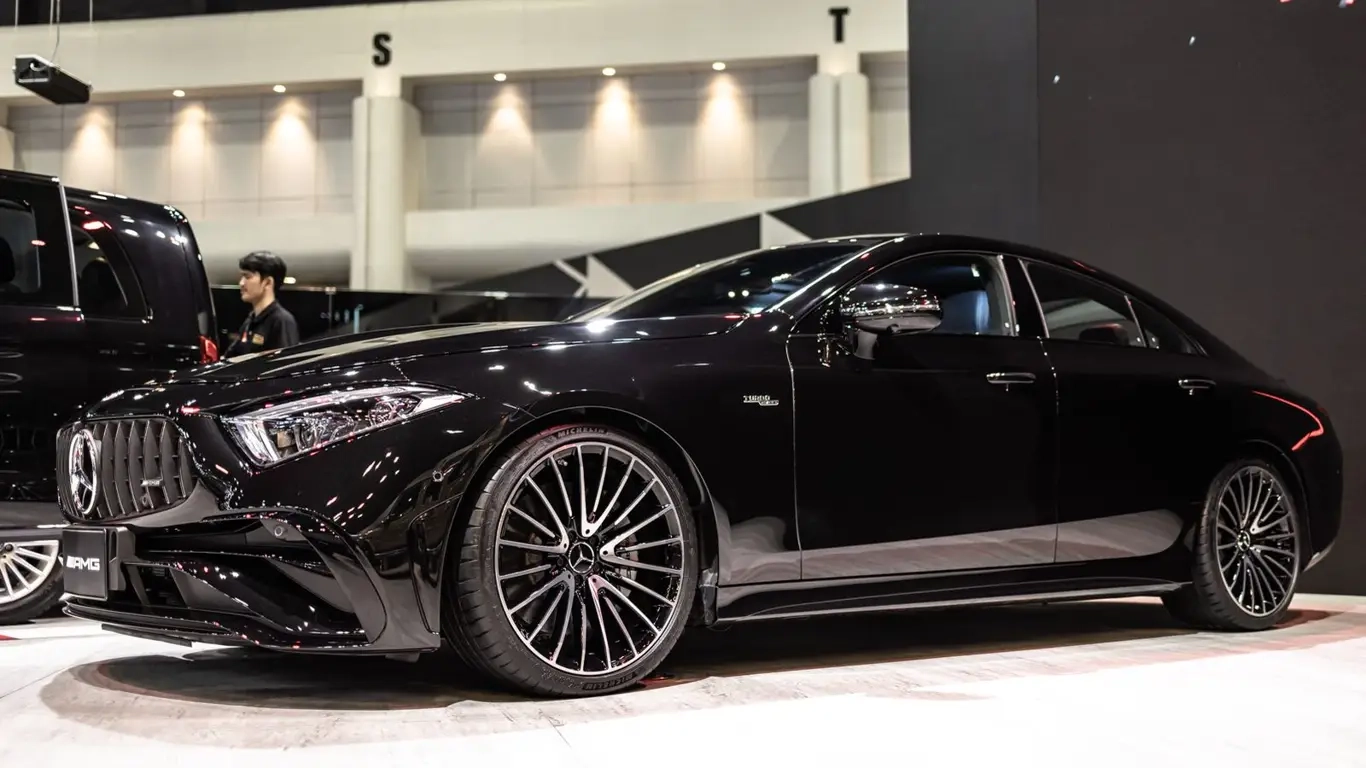

Mercedes-Benz is facing significant challenges in the U.S. market, where it has begun losing ground to its key rival BMW. Last year, the sales gap widened to over 85,000 vehicles, prompting management to reconsider its strategy.
Jason Hoff, head of Mercedes-Benz North America, pointed out that the primary reason for the lag is not external factors but internal processes. He noted that teams within the company, including engineers and service units, are working in silos.
This reduces efficiency and slows the response to market demands. The company already sees potential in closer integration of its divisions to accelerate product development and enhance the customer experience.
Mercedes plans to strengthen its presence through local production of popular models and expanding technology offerings. Specifically, this involves developing SAE Level 3 driver assistance systems, which allow for partial handover of control to the vehicle.
However, demand for such solutions remains limited due to their high cost. This means that betting solely on technology does not guarantee a rapid sales increase.
The company is also adjusting its electrification strategy. Instead of a full transition to electric vehicles, Mercedes is returning to a multi-format approach, offering gasoline, hybrid, and electric versions of the same model.
Overall, Mercedes finds itself in a situation where it must simultaneously address internal issues and adapt to the market. While BMW strengthens its position, Mercedes is only now restructuring its strategy. The coming years will reveal whether the brand can reclaim its leadership.