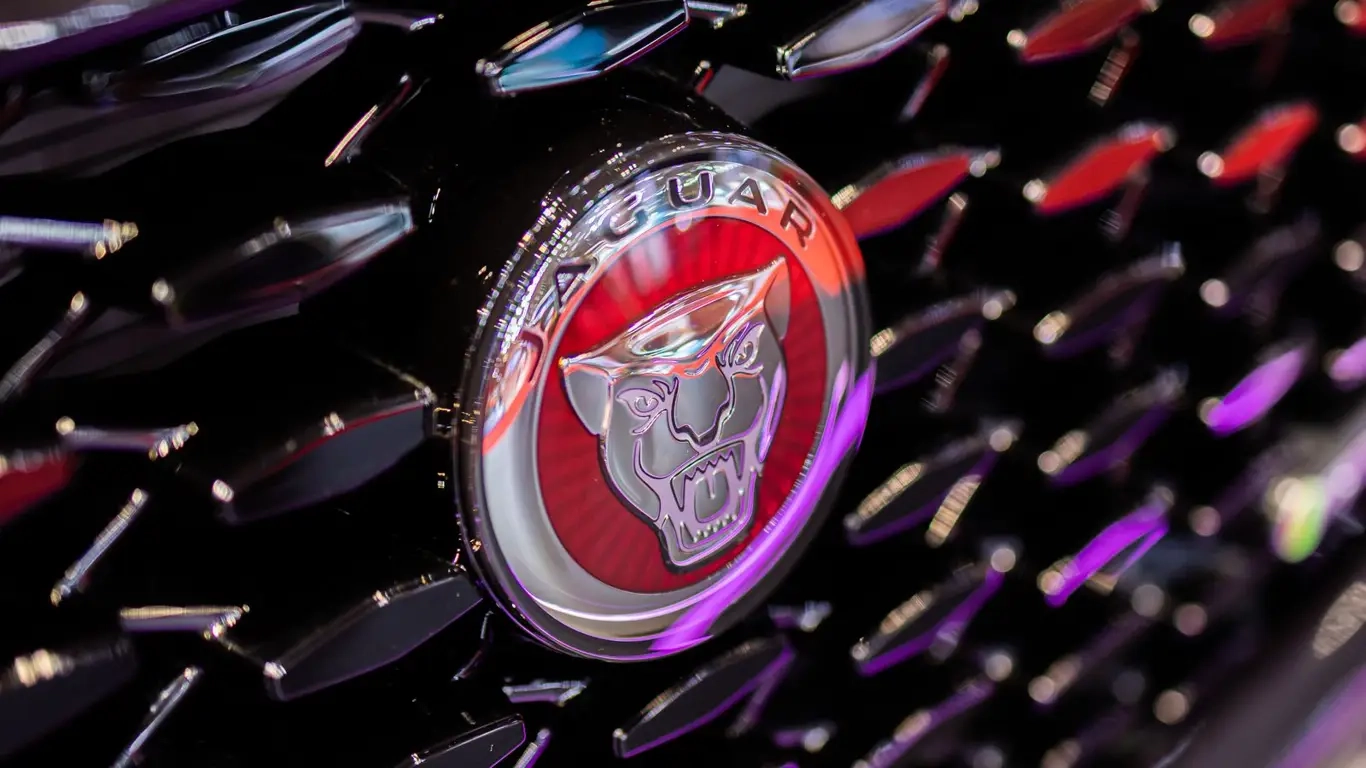

Jaguar has recalled its I-Pace electric crossovers in the UK due to a battery overheating risk that could lead to fires. The recall affects models built before 2021, with around 26,000 vehicles potentially impacted. Owners have been advised to park away from buildings and limit charging to 90%, measures that directly affect daily use.
The problem isn't new, but a fix remains elusive
The issue involves the high-voltage battery overheating, which may produce smoke or cause a fire. Despite software updates for early I-Pace versions, real-world incidents show the risk persists. Jaguar has officially acknowledged that no permanent solution exists yet, and current measures are temporary.
In the US, a similar problem has already led to recalls. In February 2026, over 2,200 vehicles from the 2020–2021 model years were included in a campaign, following an earlier recall of about 6,400 cars. In 2024, the manufacturer even had to buy back some defective vehicles.
Limitations affect range and value
As a temporary fix, Jaguar is capping battery charging at 90%, which reduces the real-world range of the electric crossover. For models with a 90 kWh battery, this means losing roughly 30–40 km of range—a critical issue for owners.
The additional requirement to park outside buildings makes ownership less convenient and heightens owner concerns. Against this backdrop, around 800 people have already signed a petition demanding either a proper fix or a buyback.
Market impact and Jaguar's challenges
The problem involves batteries from LG Energy Solution—the same supplier implicated in high-profile recalls from Hyundai, GM, and other manufacturers. This adds to the negative perception surrounding the entire electric vehicle lineup.
For Jaguar, the situation is particularly sensitive. The brand is heavily betting on electrification, and the I-Pace crisis undermines confidence in that strategy. Compared to rivals like the Tesla Model Y and Audi Q4 e-tron, such news could accelerate customer defection.