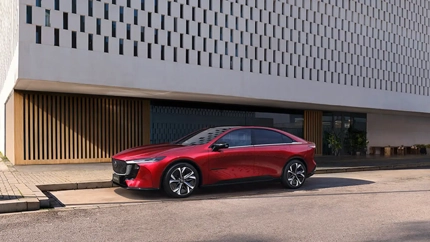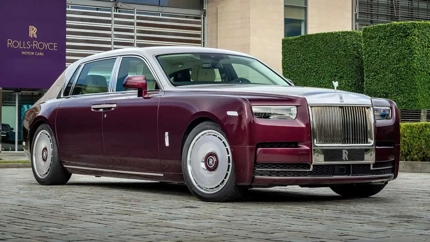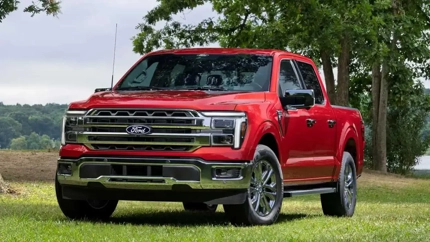

The debate over whether cars are cheaper in the US or Europe has been going on for years. At first glance, the American market does appear to offer lower prices, and a direct comparison of specific models confirms this.
Taxes are the primary reason. In Europe, VAT is added to the price of a car and can reach 27%, while in the US, sales tax typically doesn't exceed 8%. This means even identical models end up significantly more expensive in Europe. For example, a Toyota Corolla Hybrid costs around $26,000 in the US but over $38,000 in Germany.
The Ford Mustang GT shows a similar gap: about $46,000 in the US versus over $74,000 in Europe. However, taxes aren't the whole story. The US market is larger and more uniform, allowing manufacturers to keep prices more competitive.
In Europe, the situation is more complex. Different countries, taxes, and requirements create additional costs. The used car market follows a similar pattern. For comparable models, cars in the US tend to be cheaper. That said, the average car price in America is higher because buyers prefer larger, more expensive vehicles.
Overall, the picture is straightforward: in a direct, model-for-model comparison, cars in the US are indeed often cheaper than in Europe, especially when you factor in tax burdens and market structure.
This price difference isn't just about "dealer greed" but reflects the underlying economic systems. As long as Europe maintains high taxes and complex regulations, catching up to the US in car affordability will be extremely difficult.