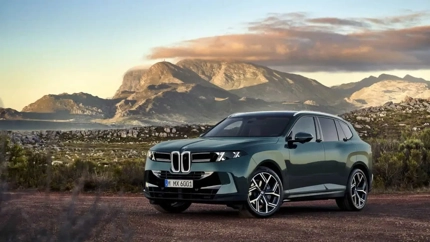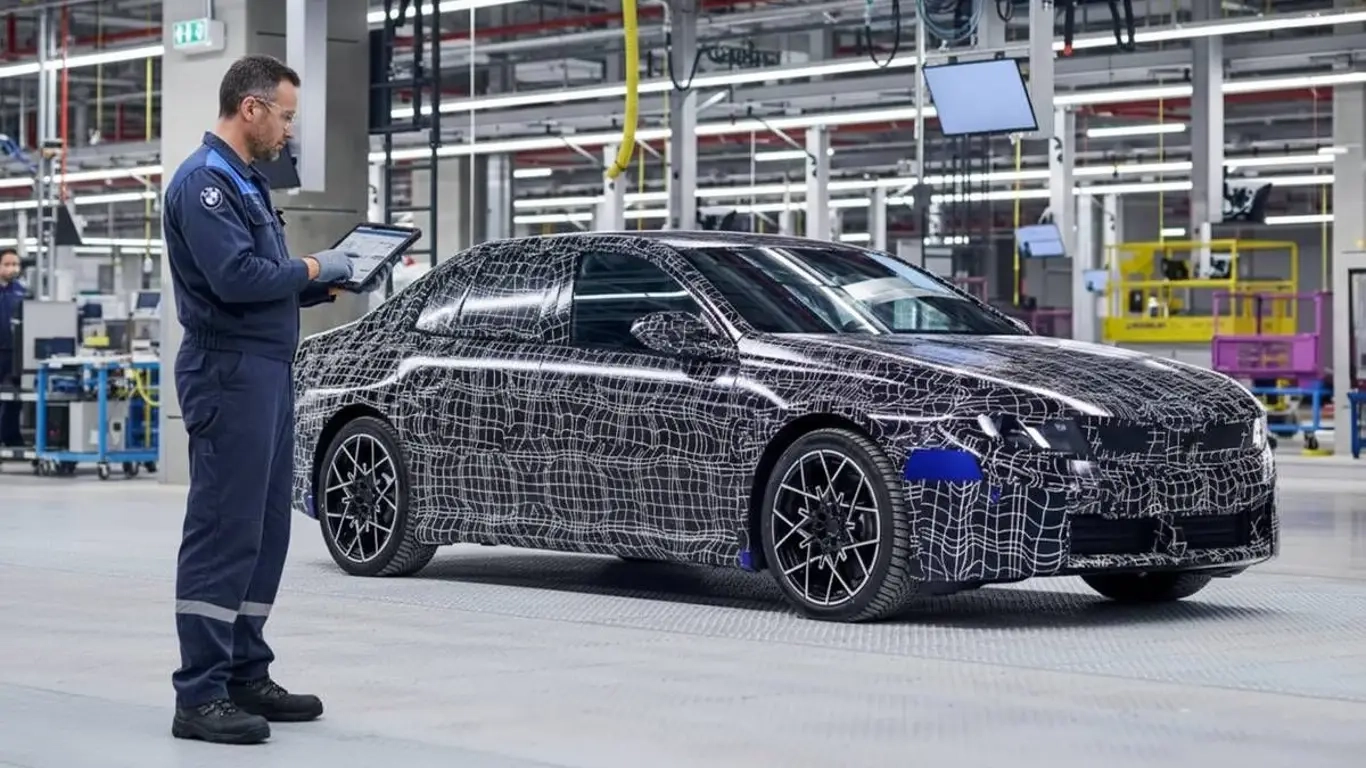

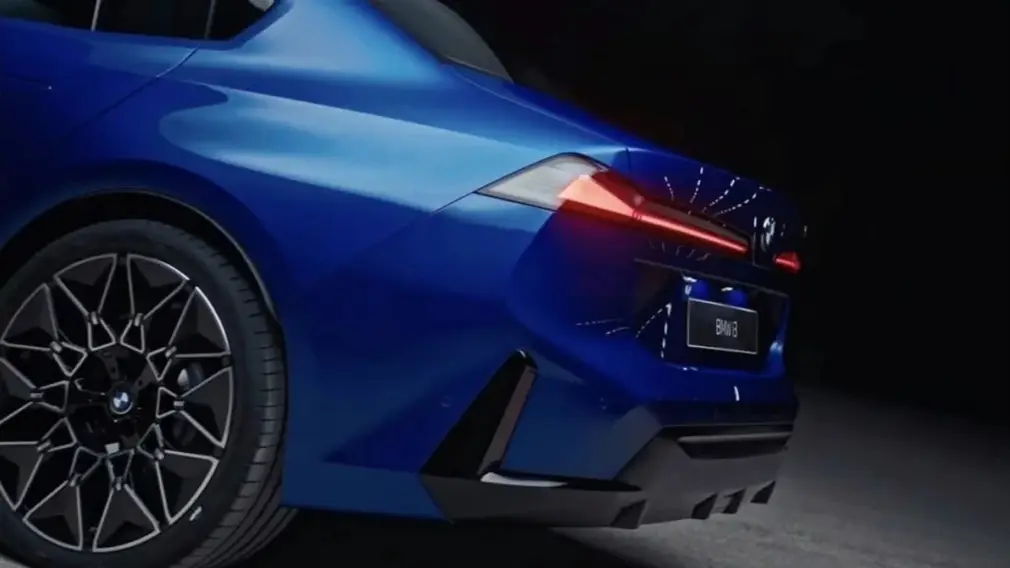
BMW is launching one of the most significant transformations in its history: its Munich plant will become fully electric by 2027. A key milestone will be the start of production for the new BMW i3 on the Neue Klasse platform in August 2026.
This decision marks the final phase-out of internal combustion engines at one of the brand's primary facilities.
Investments and New Technologies
To modernize production, BMW is investing around €650 million, completely overhauling its manufacturing processes. The plant will have a capacity of up to 1,000 vehicles per day, though actual output will depend on demand for electric cars.
Automation is a major focus: up to 98% of processes in body production will be handled by robots, which is expected to reduce costs by roughly 10%.
Smart Manufacturing and Quality Control
The new quality control system adopts a digital approach, analyzing each vehicle against tens of thousands of parameters. In practice, the cars themselves feed data into the system, allowing defects to be identified during the assembly stage.
Cameras and AI algorithms are being actively used in production, which lowers the risk of defects and future recall campaigns.
New Architecture and Weight Reduction
Switching to the Neue Klasse platform will enable more optimized vehicle designs and reduced weight. By centralizing electronics, wiring length is cut by about 600 meters, leading to weight savings of up to 30% compared to previous models.
At the same time, BMW is restructuring its supply chains, including local battery production near Munich.
Conclusion
BMW is making a strategic bet on electric vehicles, turning its historic plant into a symbol of a new era. The project's success will hinge directly on demand, but the company's course is now firmly set.