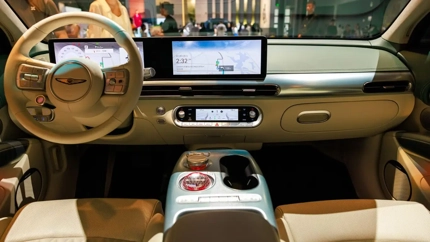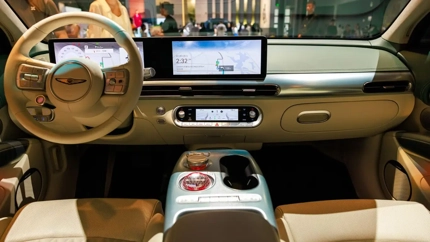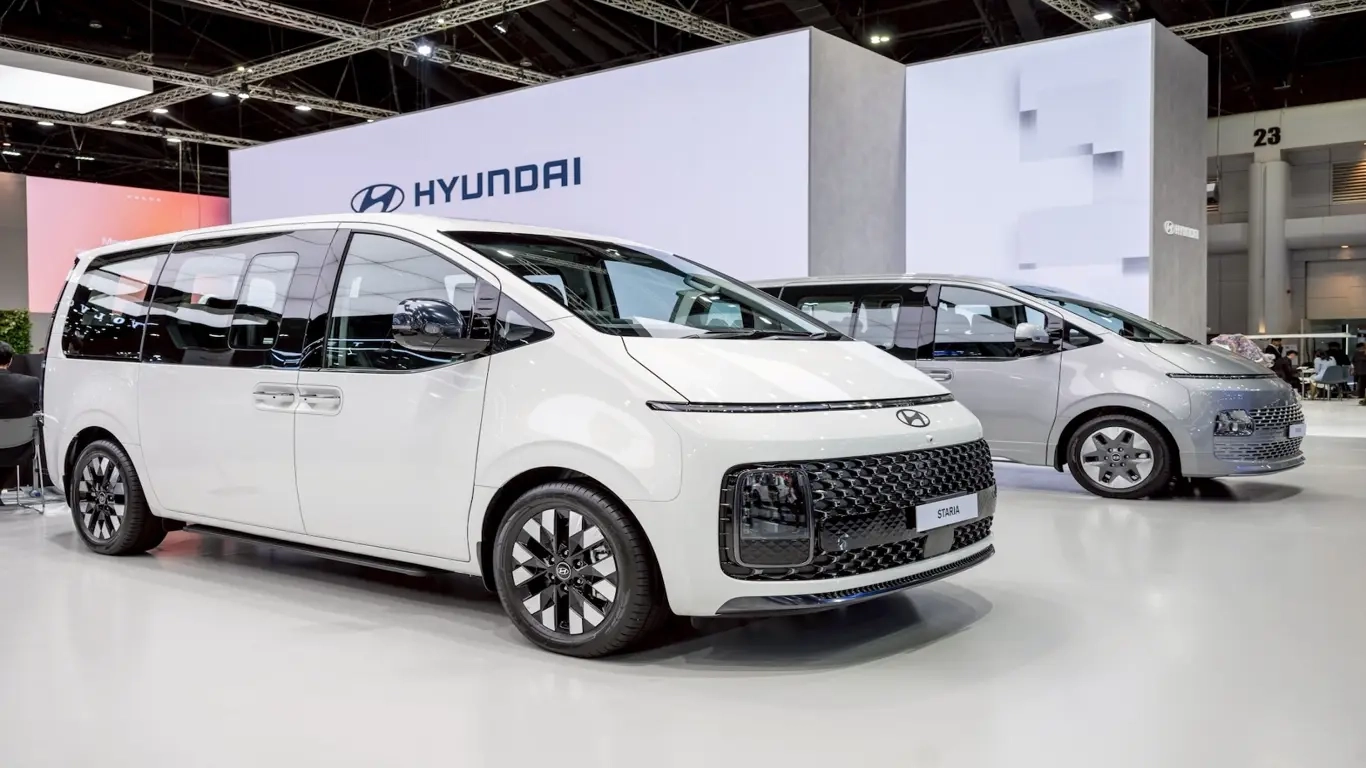

Hyundai has confirmed in Thailand that the diesel versions of the Staria and Palisade can run on B20 biodiesel. For the local market, that's more than just a technical detail—these vehicles are typically purchased for family use, business, or long-distance travel, where torque, fuel economy, and fuel flexibility matter.
The company stresses it's not putting all its eggs in one powertrain basket. EVs appeal to those seeking quiet, cutting-edge tech, and a fresh driving experience. Gasoline models remain a familiar, practical daily choice. Diesel still shines where you need low-end grunt, highway confidence, and the ability to handle heavy loads.
The Hyundai Staria is a sizable MPV that can seat up to 11. It's marketed to large families, group travel, and commercial operators. Power comes from a 2.2-liter turbodiesel mated to an eight-speed automatic. B20 compatibility gives high-mileage drivers more fuel flexibility without sacrificing diesel's pulling power.
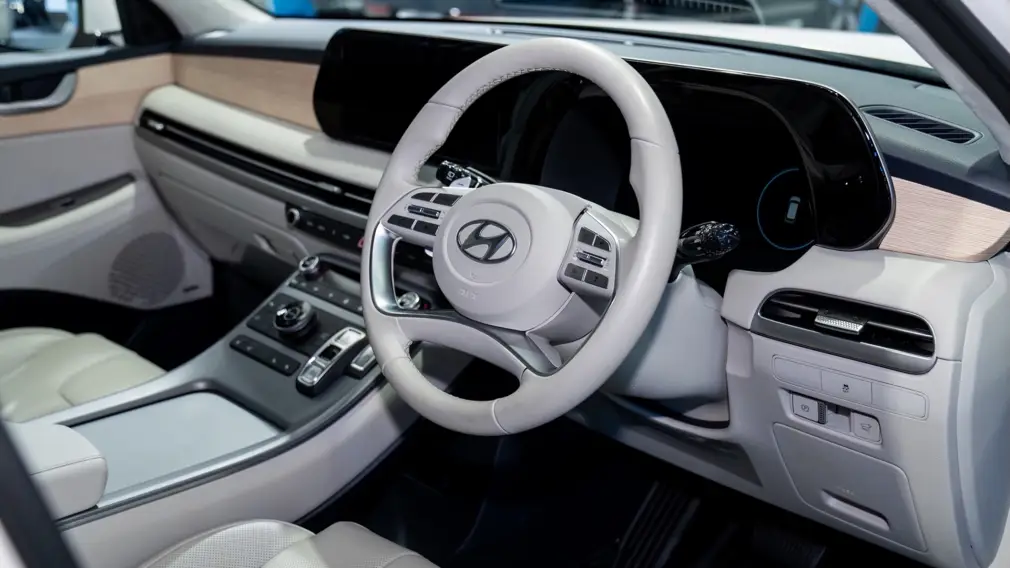
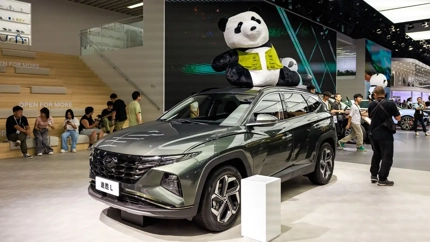
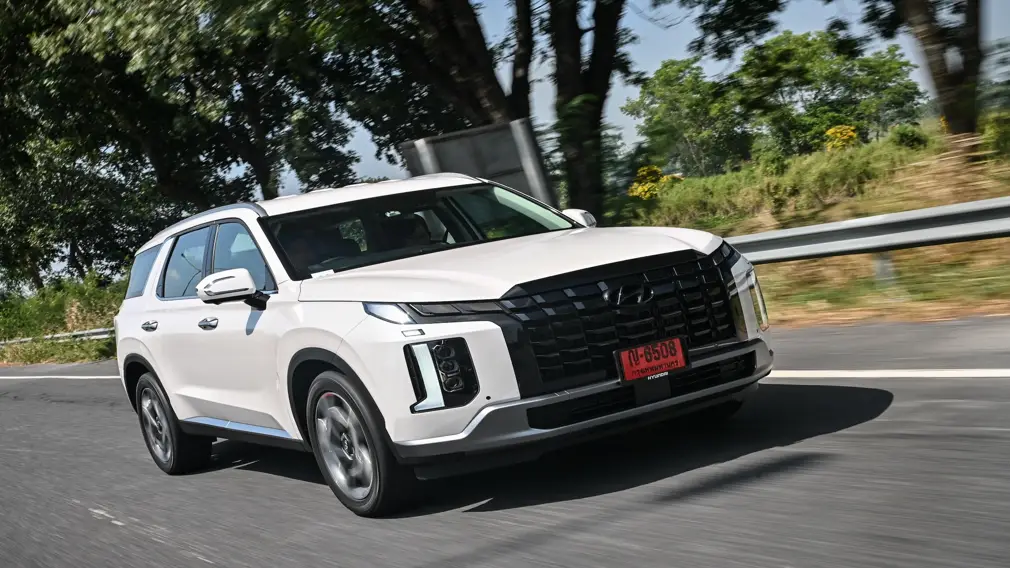
The Palisade occupies a different segment. This seven-seat flagship D-SUV boasts a plusher cabin with Nappa leather and a 12-speaker Infinity sound system. It shares the same 2.2-liter turbodiesel, here producing 197 hp. It's tailored for families that want a big vehicle capable of handling city streets, highways, and road trips alike.
B20 blends biodiesel with conventional diesel, using locally sourced agricultural feedstocks. For owners, the takeaway is straightforward: their diesel vehicle gains an additional fuel choice, keeping diesel relevant even as interest in EVs grows. Hyundai isn't fighting the future here—it's giving buyers multiple ways to get there.