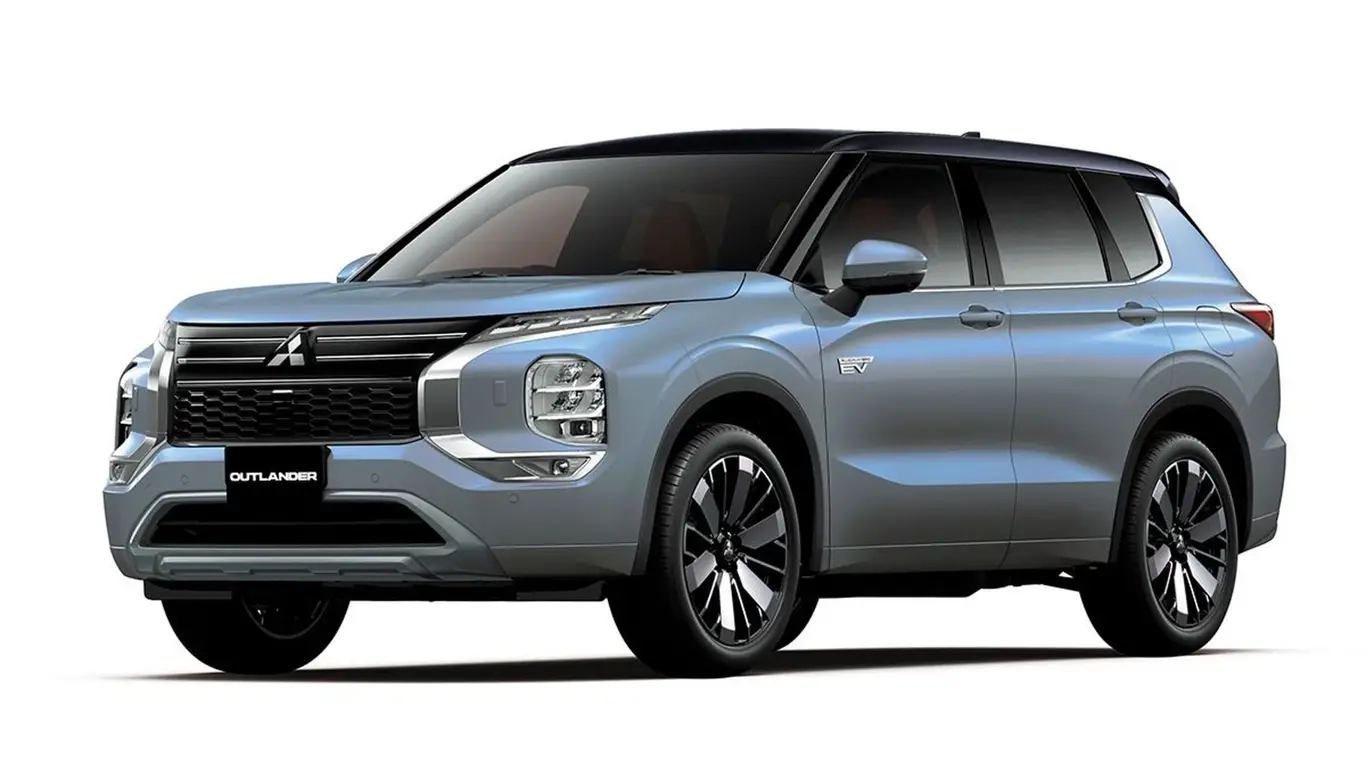

Mitsubishi made a move that's easy to overlook — but in everyday use, it's more noticeable than any new body color. The Japanese Outlander PHEV has gained an updated e-Assist suite and new access features, and dealers are already taking orders.
The driver-assistance package adds an alert when the car in front starts moving. Got distracted in traffic or at a light? The system chimes and flashes a warning on the instrument cluster. Not a revolution. But this is exactly the kind of small touch that defuses urban frustration and saves you from getting honked at a second after green.
The second update is automatic unlocking and locking. With the key on the owner, the car senses you approaching at roughly a meter and opens itself. Step about three meters away, and it locks — confirming with hazards, a chime, lights, and folding mirrors. For a family SUV, that's far more useful than yet another decorative cabin insert: your hands are usually full of bags, a kid, umbrellas, or a charging cable, not free for a fob.
The price in Japan ranges from 5,369,100 to 6,901,400 yen — about $33,200 to $42,700 at current rates. The government's clean-energy subsidy adds another 840,000 yen, roughly $5,200. After it, the entry ticket effectively drops to around 4.53 million yen, or about $28,000.
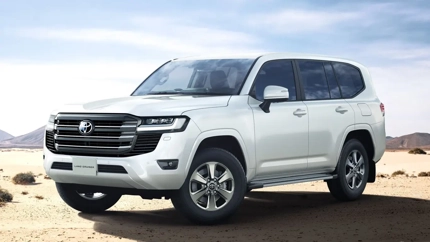
The technical base is the real reason to look at the Outlander PHEV. It's an all-wheel-drive plug-in hybrid with 102–106 km of WLTC electric range and 17.2–17.6 km/L in hybrid mode. In Japan, it goes head-to-head not just with the regular Toyota Harrier or RAV4 hybrids, but with pricier family SUVs — bought by people who care less about the sticker than about driving most weekdays almost like an EV.
Mitsubishi's strong suit is the pairing of PHEV with the S-AWC all-wheel drive. The weak one is the price tag: the Outlander already plays in territory where buyers start eyeing premium crossovers, minivans, and well-equipped Toyota hybrids. Which is why these updates matter more than they look: they don't change the car's character, but they make it easier to live with in exactly the scenarios where a family vehicle is either loved or quietly tolerated.
The Outlander PHEV didn't get more impressive on paper. It just got a little less demanding of its owner's attention — and for an expensive family crossover, that's sometimes worth more than another line in the horsepower column.