
Hyundai has torn off the wraps. At BIMOS 2026 in Busan the Koreans unveiled the eighth-generation Avante — and what they’ve done to the compact sedan will give even the skeptics pause. Outside Korea the car will once again be sold as the Elantra, and after years of crossover dominance it’s a reminder that the segment still has fight left in it.
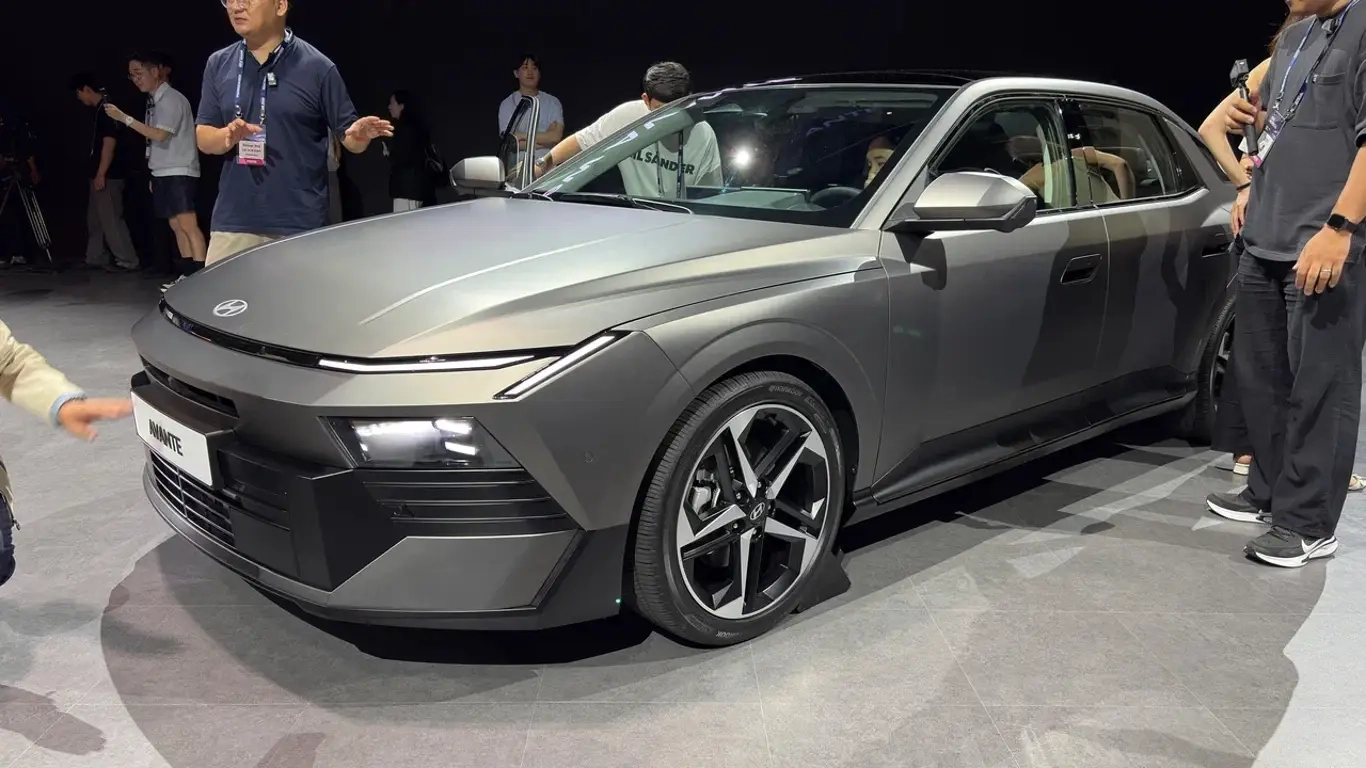
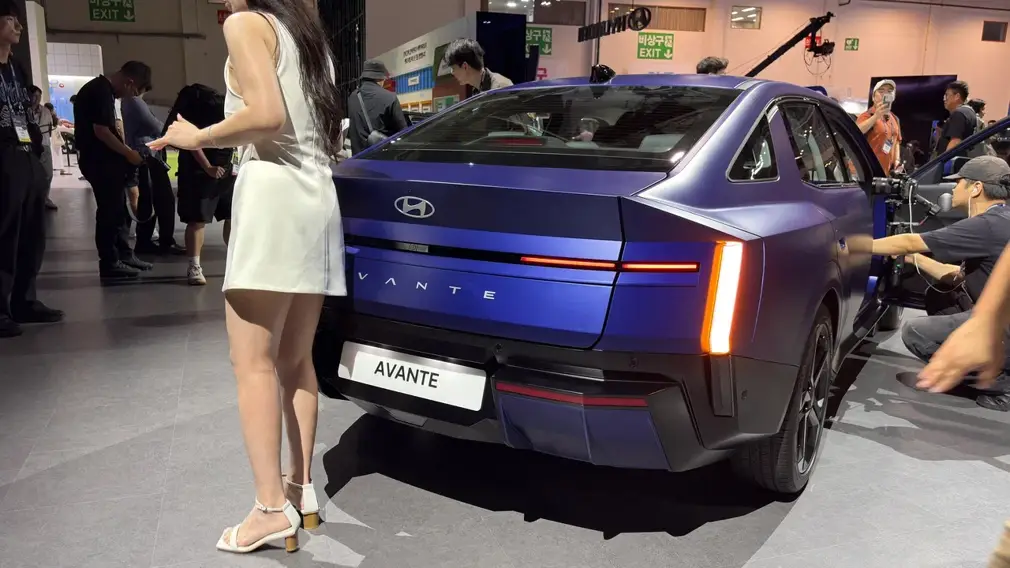
According to journalists from SPEEDME, who attended the show in person, the new Avante — codename CN8 — cuts every tie with the previous styling. A low hood, an almost fully sealed nose, a razor-thin LED strip running across the full width, lamps tucked into the corners of the bumper, aggressive arches and a short flat tail. At the rear — a light bar, a bold AVANTE wordmark and details that echo the bigger Grandeur and Genesis models. Hyundai is clearly dragging the compact sedan out of its “just a sensible car” image and making it look a class above.
And here’s the surprise: there is no EV. Hyundai deliberately kept the Avante on combustion power. At launch — a naturally aspirated Smartstream DOHC 16V engine and a TMED-II hybrid setup with two electric motors. The smaller 17-hp unit fires up the engine and feeds onboard systems, while the main 72-hp motor handles propulsion and regenerative braking. There’s also a new Stay Mode: roughly an hour of infotainment and climate control running off the battery with the engine off — almost like a real EV.
And it’s the right call. A fully electric sedan in this segment would have been a niche play, undermined by price, charging infrastructure and resale headaches. The petrol and hybrid Elantra make far more sense: lower running costs, no charger dependency, and servicing that fits Hyundai’s familiar logic. In the US, the expected price band is $26,000–30,000. The new Elantra is set to take on its old rivals — Toyota Corolla and Honda Civic — both of which are readying their own next generations for 2027.
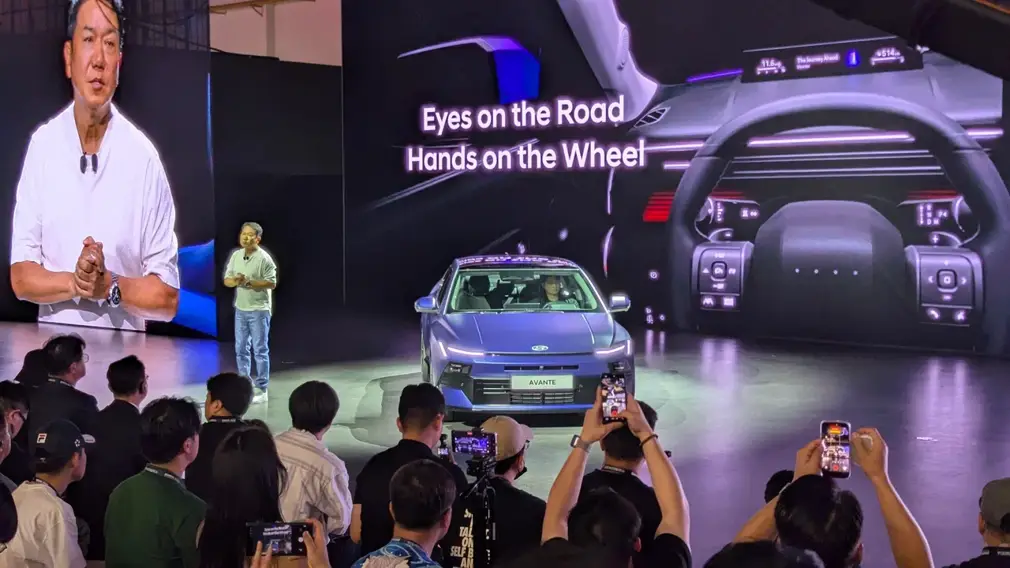
The Elantra’s strongest cards are its design, the hybrid’s efficiency and Hyundai’s brand recognition. But sedans are no longer the easy sell they once were — buyers keep drifting toward crossovers, and that’s a structural challenge for the whole segment, not just for Hyundai.
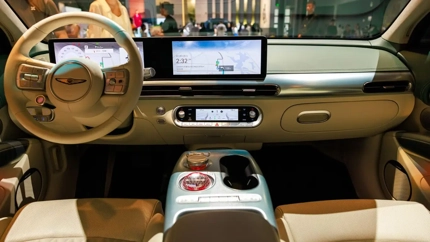
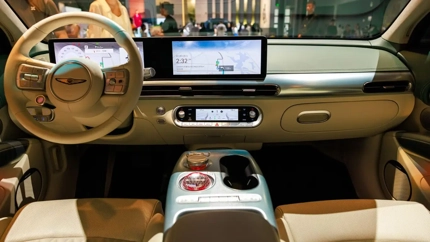
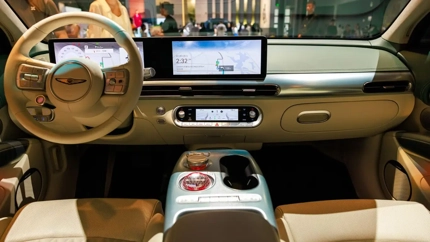
Inside — the real digital surprise. The old ccNC infotainment gives way to Pleos Connect. The 16:9 central display is tailored for streaming video including Netflix, with GLEO AI voice control and groundwork for Level 2+ assistants on the Atria AI platform. For a compact sedan, that’s a serious statement.
The Avante goes on sale in Korea right after its premiere, while the 2027 Elantra is expected in the US in the first half of next year. The takeaway is simple: Hyundai is showing that the compact sedan hasn’t been written off — it’s just been told to grow up.