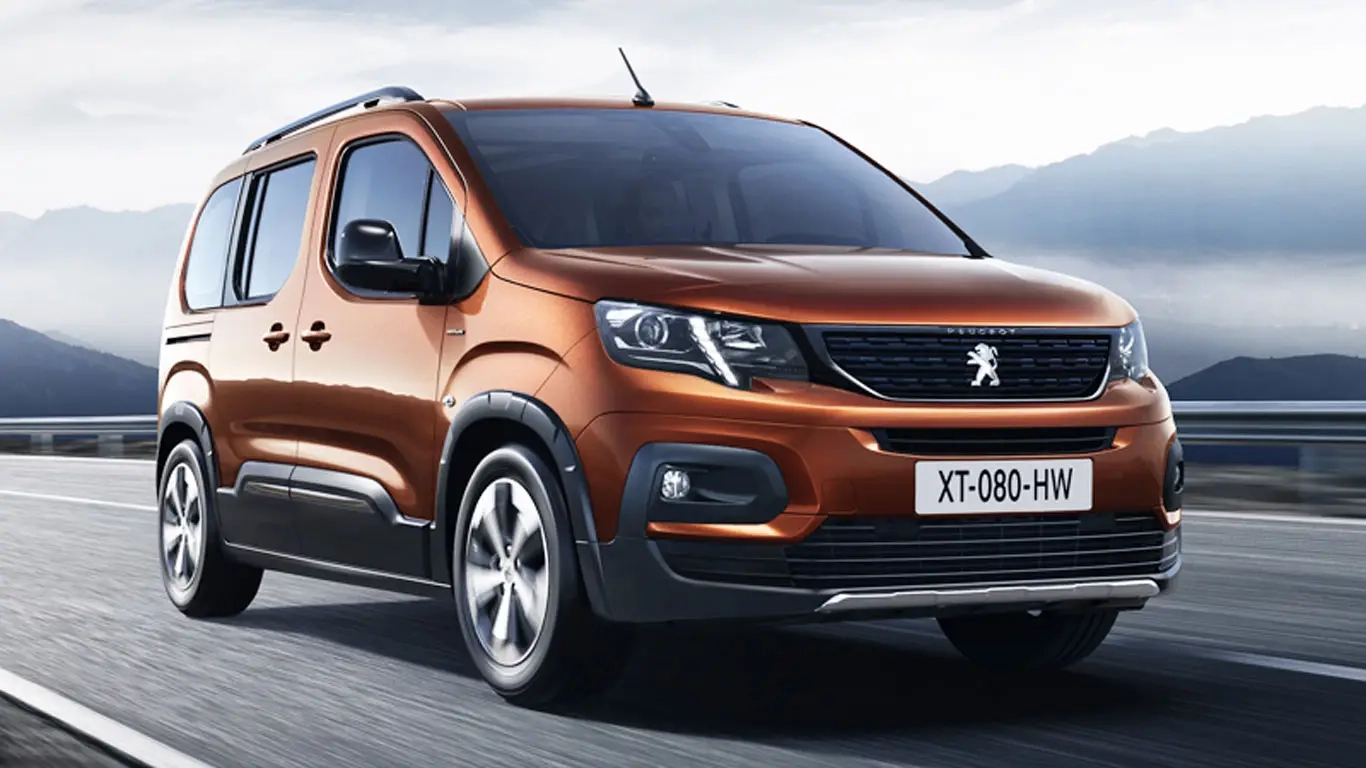

Germany has crowned the most value-retaining Peugeot after three years on the road. It’s not the popular 208 hatchback. It’s not the trendy 2008 crossover either. The unlikely winner is the family-hauling Peugeot Rifter — the utilitarian van many drivers don’t even count as a proper passenger car. At 20,000 km a year, its projected residual value after 36 months stands at 64.3%. That’s a level most crossovers can only dream of.
The Rifter launched in 2018 and shares its bones with the Citroën Berlingo, Fiat Doblò, Opel Combo and Toyota Proace City Verso. The recipe behind its staying power is simple: a tall body, a cavernous cabin, real everyday usefulness — and almost no supply on the used market. Demand is there. Cars aren’t. The electric Rifter is a different story altogether. Its forecast is far more modest: 50.4%.
The rest of the Peugeot range looks pale by comparison. The Peugeot 208 is projected at 53.9%, the 2008 at 51.2%, and the 308 sinks to just 47.3%. Electric versions lose even more of their sticker price on average. The wooden spoon goes to the e-208, with 42.9% after three years. The newer e-3008 and e-5008 electric crossovers fare slightly better at 48.0% and 48.4% respectively. But none of them can touch the humble Rifter.
The takeaway hits the style crowd hard: body shape and genuine practicality can outvalue a fashionable silhouette. Crossovers are supposed to be the safest bet for resale. Peugeot just blew up that assumption. The utilitarian Rifter beat them all. And the brand’s EVs still can’t keep up with their combustion siblings — even on their freshest models.