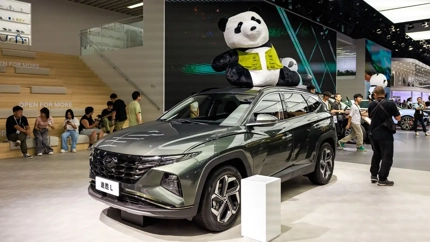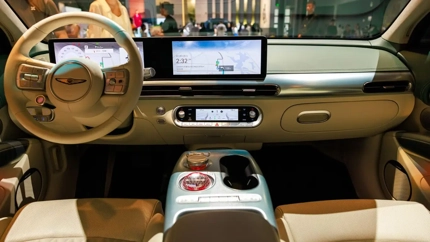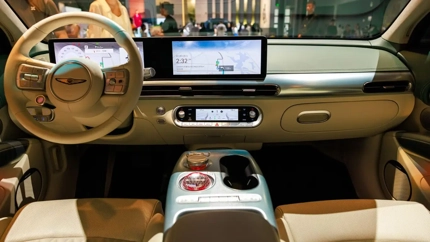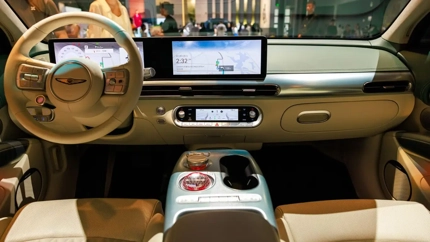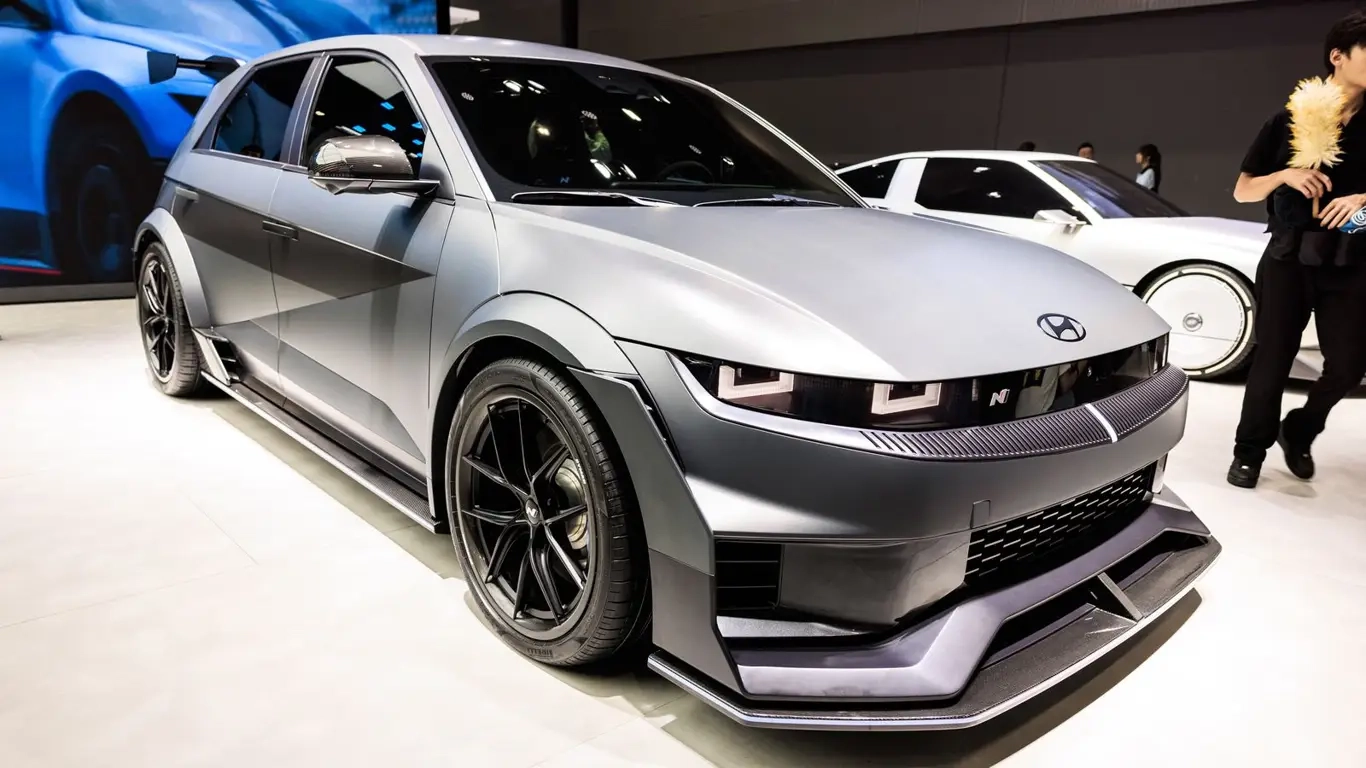

Hyundai is doubling down on an idea that even its own fans once mocked: fake gears, synthetic engine roar and a combustion soul wrapped around an electric drivetrain. After the Ioniq 5 N turned into a revelation, the Koreans want to go further — right up to making the car shudder beneath the driver, like a hot hatch grumbling on idle.
Manfred Harrer, head of global R&D at Hyundai, told Autocar: “In the next generation of these cars, I want to make it even more realistic. I want to enhance it further.”
According to Harrer, the next arsenal will include simulated idling, exhaust “backfires” and in-cabin vibration — this is how the Koreans plan to push driver engagement to the “next level”.
At first glance it sounds absurd: people prize EVs for the silence, the instant torque, the absence of mechanical lag. But the Ioniq 5 N revealed something else. Buyers weren't missing speed. They were missing sensation. Faked shifts, torque cut to simulate “virtual gears” and a synthetic engine note hand the driver familiar landmarks back — when to push, when to lift, when the car is right on the edge.
Harrer doesn't hide that this is a game played on emotion: “There are so many ideas how you can advance it further, but this is all about experience. A lot of people say it’s fake, but people like it so there is some beauty — and why not play around with it? We are not the serious Porsche guys. We are about fun to drive.” Demonstrators, he added, are already up and running.
The future N electric cars will move to the IMA platform. Harrer himself calls it not a revolution but a “huge evolution”: the 800-volt architecture stays, while engineers polish charging, efficiency and thermal management. For fast EVs that last point is a matter of life and death — without stable cooling, all that power collapses into a one-shot drag race. IMA's debut is pencilled in for around 2028, on the second generation of the Ioniq 5.
Hyundai has effectively claimed a niche where the EV stops being just a fast gadget. Porsche, Mercedes-AMG and BMW M are now looking in the same direction, but the Koreans got there first — turning “fake” emotion into a working tool. And the question now isn't whether they're fake. It's something else entirely: will drivers still want to feel a car through their body, once the engine has gone silent forever?