
While the whole car industry chases what's new, some machines simply refused to leave. Autocar rounded up the survivors that outlived the usual industry cycle several times over. A modern model changes generation every 6–8 years — yet the Volkswagen Beetle, Mini, Citroen 2CV, Land Rover Defender, Toyota Land Cruiser 70 and Lada Niva held on for decades, barely touching their basic design.
The symbol of that era is, of course, the Volkswagen Beetle. It was built from 1938 to 2003: more than 21 million cars, assembled in 15 countries. Sixty-five years on the line — just think about that. Beside it stands the British roadster Morgan 4/4: it appeared in 1955 and, according to Autocar, lasted 65 years and even longer. And the Volkswagen Type 2, the famous Bus, also known as the Kombi, rolled along the roads from 1949 to 2013 and sold more than 10 million units.
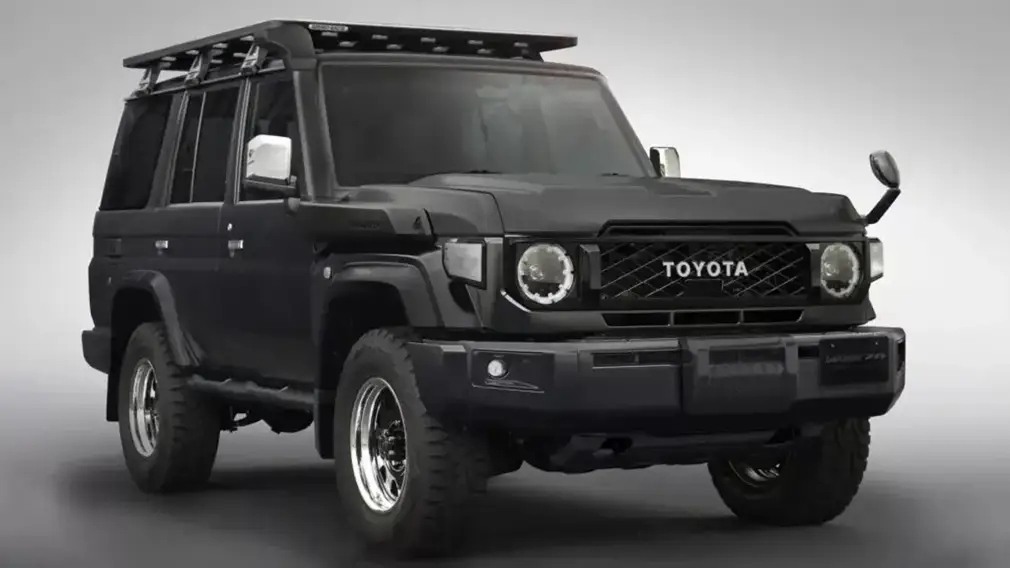
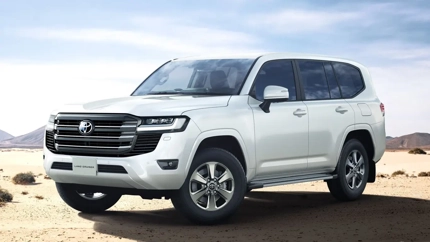
And this isn't only about cult passenger cars. The Toyota Land Cruiser 70 Series, launched in 1984, is still in huge demand where a diesel engine, a ladder frame and easy repairs matter more than a fresh screen in the cabin. The old Defender held on from 1983 to 2016. And the first Mercedes-Benz G-Class lived from 1979 to 2017 — almost four decades without a change of platform.
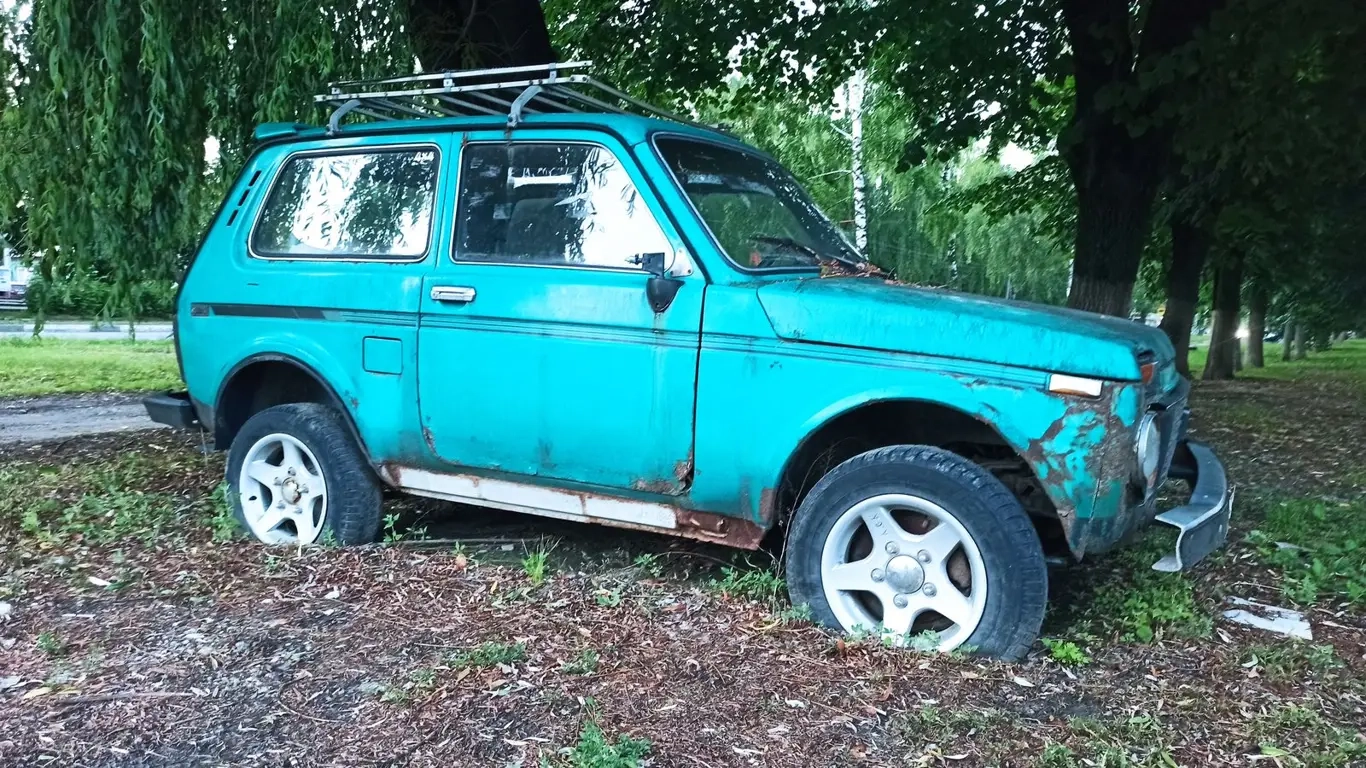
For the post-Soviet market, two names stand out: the Lada 2105 and the Lada Niva. The 2105 stayed on the line from 1980 to 2010 — 31 years, a record for a single Lada model. And the entire “Classic” family built on the Fiat 124 lasted until 2012 and became one of the most mass-produced in history: around 20 million cars in total. But the real legend here is the Niva. Lada designed it entirely on its own, from scratch, and has been building it since 1977. A rare case where a car's age turned not into a flaw, but into part of its market character.
The secret behind every one of these survivors is the same. A simple design. Cheap ownership. Repairs anyone can understand. And markets where survivability matters more than a fashionable silhouette. The Peugeot 504 reigned in Africa for decades, the Renault 12 became the basis for Dacia for years to come, the Fiat 126 turned into the people's car of Poland, and the Hindustan Ambassador remained a living symbol of India for almost half a century.
The trouble is, repeating a story like that is almost impossible today. Emissions rules, crash tests, electronics, safety requirements — all of it kills off old platforms in just a few years. And that's why today's Lada Niva no longer looks merely archaic. It's the last living witness of an era when a car had the right to live exactly as long as people were willing to buy and repair it.