
Volkswagen has finally done what everyone was waiting for — and it looks like the company is admitting its own mistake. The electric ID.4 is on its way out. In its place comes the ID. Tiguan. And this is no ordinary facelift, but a U-turn for the entire brand strategy.
Buyers grew tired of faceless numbers. The ID. family, with its cold indexes, never felt like home — and now VW is giving its electric cars names people know and trust. The ID. Tiguan should reach the market before the end of 2026, and it will be built at the plant in Emden.
Fresh spy shots say it all: the newcomer breaks sharply from today's ID.4. Forget the soft, almost minivan-like silhouette. In its place — an honest SUV shape: a squarer front end, new lights, a different hood, sensible proportions. From the side you can spot new doors and classic pop-out handles. Volkswagen seems to be taking a step back from aggressive futurism toward what simply works. And for a mainstream crossover that logic is far more of a winner than stubbornly playing the “car of the future.”
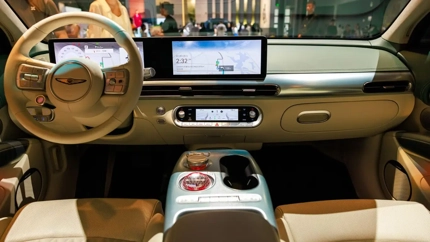
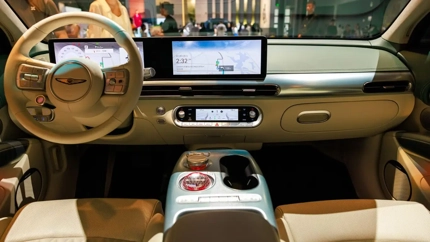
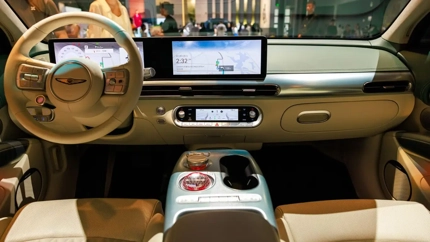
And now the big one — the change owners would applaud standing up. Physical buttons are back inside: climate and some basic functions get proper keys again, under the screen and on the wheel. It's a direct answer to years of criticism — people were fed up with controlling the simplest things through touch panels and endless menus. That makes the ID. Tiguan not just more modern, but easier to live with every single day.
Underneath sits the MEB+ platform. The very one that already underpins the new ID. Polo and the updated ID.3. Expect progress across the board: batteries, motors, range, charging speed — everything should move forward compared with today's ID.4. As a reminder, the current ID.4 comes with rear- or all-wheel drive, 190 to 299 hp and a big 79 kWh battery good for up to 572 km.
In Germany it currently starts at 40,580 euros. The ID. Tiguan should keep that practicality — and add what a numeric badge always lacked: an emotional link to a legend called Tiguan. For Volkswagen it could be exactly the right move. The ID.4 was an important car, but its name and image never struck a nerve.
With the Tiguan it's a different story. The buyer already knows what to expect from a car like this. All that's left is the small matter of proving that the electric version won't be the same ID.4 under a new badge, but a truly mature crossover — with a familiar character, proper ergonomics and none of the divisive quirks that used to grate.