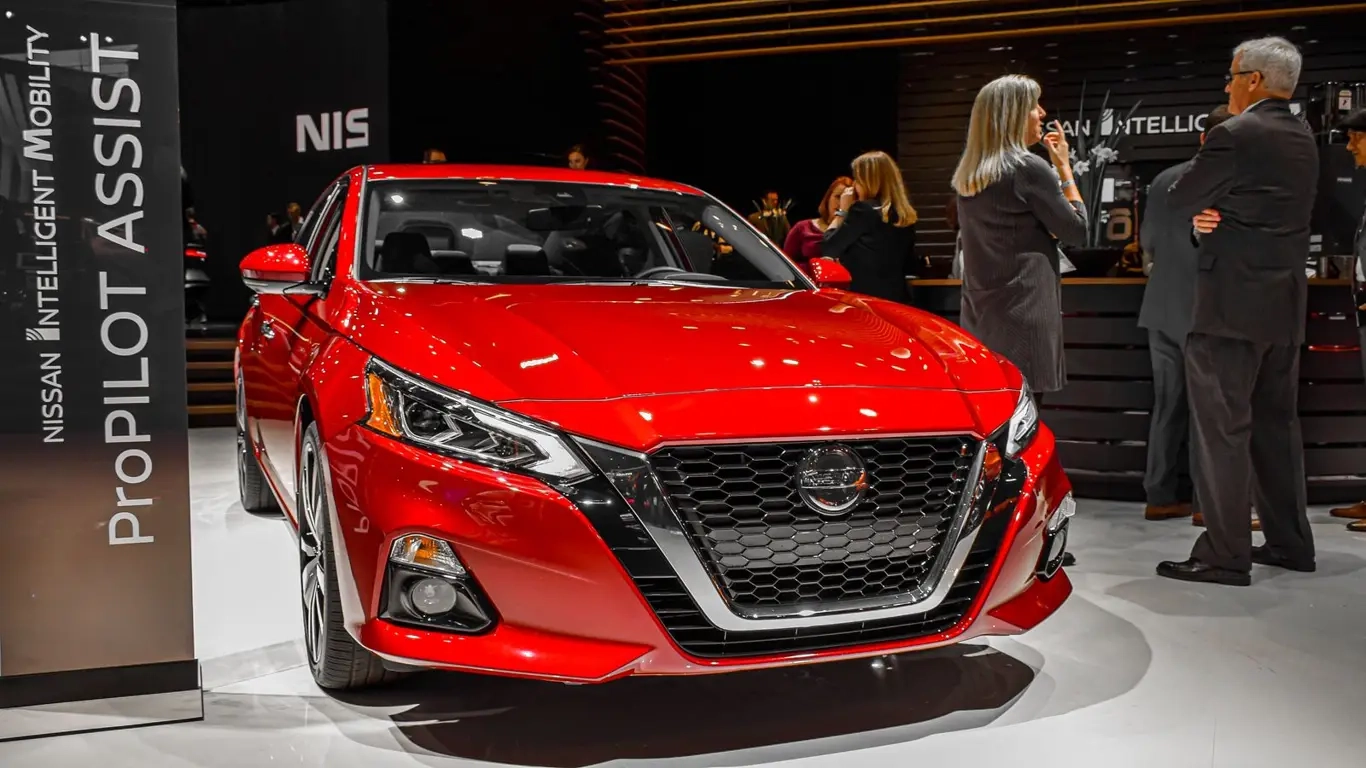

Nissan just quietly signed the Altima's death warrant. Officially the sedan is still on the 2026 roster, but behind that polite wording sits a simple fact: the model has no future left, and whatever demand survives should shift over to the more “grown-up” next-generation Sentra.
The numbers leave no room for illusion. As recently as 2019, Nissan was selling more than 200,000 of these sedans a year in the US. By 2025, that figure had collapsed to 92,809 units. The first half of 2026 looks outright grim: 42,288 cars, down 31.9%. If the pace holds, the year will close around 84,600 units. Sentra slipped too, but far more gently — finding 75,549 buyers in six months. Inside Nissan’s own lineup, it’s now the clear leader.
And this isn’t about emotion. Nissan is cutting deep, but by the numbers: the automaker previously announced it would eliminate 11 underperforming models to free up resources for more promising directions. For the American market, that means one thing — keeping two sedans alive for a shrinking segment no longer pays off, especially when crossovers and pickups make more money and sell themselves.
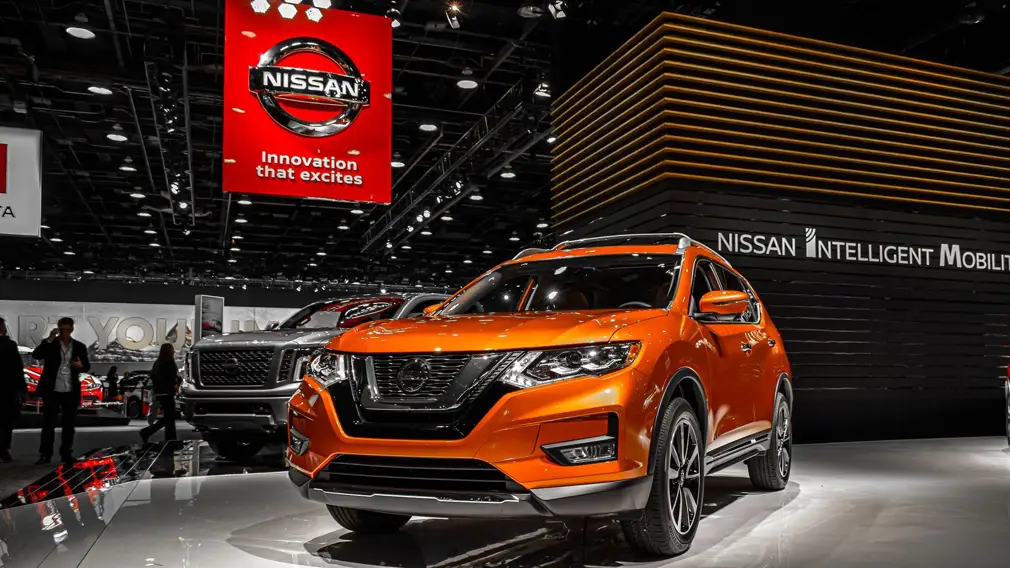
The second casualty on the list is the Rogue Plug-In Hybrid. In essence, it was a hastily rebadged Mitsubishi Outlander PHEV, rushed to market. Nissan doesn’t hide it much: the model existed mainly to test buyer reaction to a hybrid in the Rogue lineup. The logic is simple — if a shopper sees no hybrid option in the online configurator, they might never make it to the dealership at all.
Now that role passes to the Rogue e-Power. The difference is fundamental: instead of a plug-in hybrid, it’s a system where the gas engine works purely as a generator while an electric motor spins the wheels. For the average buyer, that’s about as simple as it gets — no charging required, no new habits to learn, yet the feel of electric power and the promised efficiency come bundled in. Nissan is promising a “very attractive price” and strong fuel economy.
And this is only the start of the shake-up. In parallel, Nissan is prepping a bigger overhaul of its body-on-frame models: new Frontier and Xterra, and potentially, further down the line, a three-row Nissan SUV along with related two- and three-row Infiniti models. Gas engines and hybrids will definitely be part of that mix — Nissan isn’t betting everything on pure electric, but rather building its lineup around segments that actually sell.