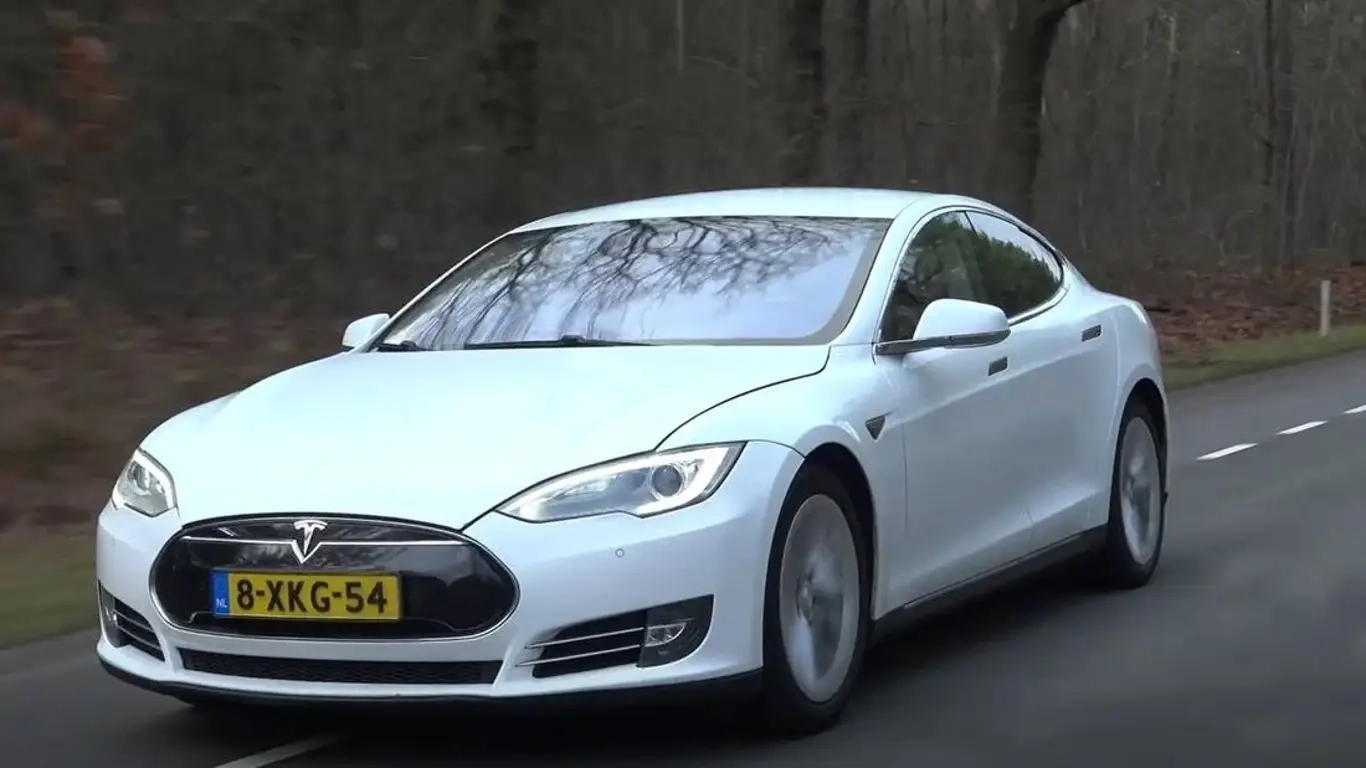

A Tesla Model S 85 from Amsterdam Airport's taxi fleet has clocked nearly 600,000 km—a figure that raises questions about the longevity of early mass-market electric vehicles. Its current owner, who bought the car with 440,000 km on the odometer, explains why this older Model S still makes economic sense despite obvious wear and tear.
Heavily Worn but Still Functional
The car spent years as a taxi, racking up 60,000 km annually. Today, the body and interior clearly show the toll of hard service: repair marks, misaligned panels, tired suspension, and various minor damages. Under the hood, there are curious signs of wear, like a wiper mechanism that has worn through the body due to play. Nevertheless, the vehicle keeps running, and the owner notes the availability of repair information and active community support, which eases maintenance for older Teslas.
Economic Benefits Outweigh the Issues
Over five years of ownership, the owner spent nothing on fuel and only started paying road tax in 2025. Compared to a diesel alternative, savings exceeded €20,000, thanks to free charging, lower operating costs, and no engine consumables. However, the car required investments: replacement of the motor-reducer unit, two batteries, and repairs to brakes, cooling, rear door electronics, and various sensors.
Current Technical Status and the Lifespan of Early Teslas
Today, the list of issues is extensive: sensor errors, lighting glitches, suspension fatigue, brake wear, sagging seals, and panel alignment defects. All of this is expected for a car nearing 600,000 km. Meanwhile, key drivetrain components continue to function properly after replacements, and battery degradation from earlier stages was addressed by installing new modules.
This example shows that early Model S vehicles can reach impressive mileages but require preventive maintenance—neglecting service leads to a rapid accumulation of defects.