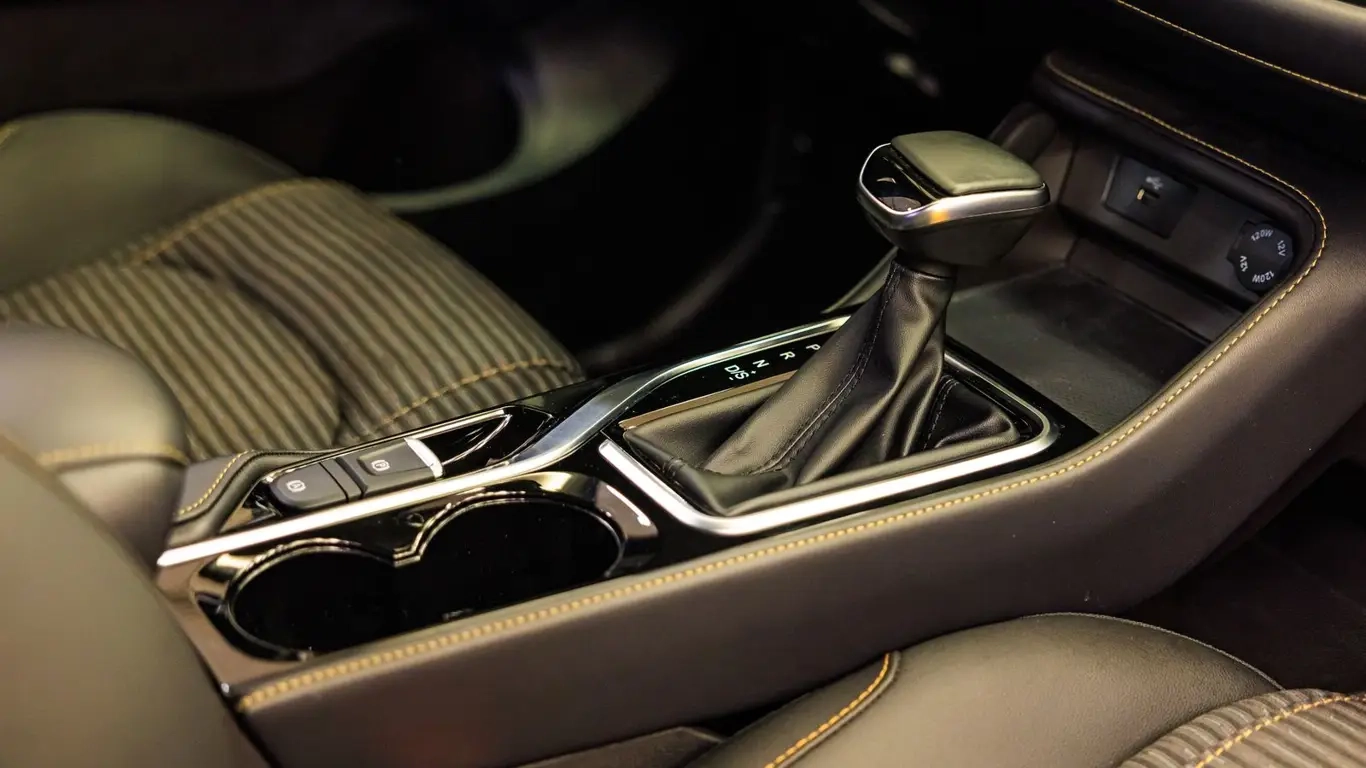

Ford’s PowerShift transmission, developed as a smart alternative to a conventional automatic, turned into one of the brand’s most high-profile missteps. The dual-clutch unit used in the Focus and Fiesta promised the efficiency of a manual with the smoothness of an automatic, yet on the road it became a source of never-ending trouble. On paper, the promise was irresistible; in practice, the calibration and hardware never felt in sync.
Its main flaw was harsh, unpredictable shifts. With two dry clutches, the gearbox was prone to overheating and rapid wear, which led to shuddering and delays under acceleration. Software didn’t save it: errors in the control module misjudged shift timing. Even after repeated software updates and warranty repairs, the issues often returned within months.
A second headache was frequent transmission warnings. The dashboard would show a Check Engine message or indicate a transmission fault, pointing to a control-unit failure or clutch wear. In many cases, entire components had to be replaced, including the valve body and solenoids.
A third complaint involved metallic noises and a low-speed drone during gear changes. Parts wear, temperature sensitivity, and fluctuations in oil viscosity made PowerShift inconsistent. In the end, Ford acknowledged the design shortcomings, paid compensation, and initiated buyback programs.
Today, PowerShift stands as a reminder that technological ambition can turn into a serious blow to customer trust.