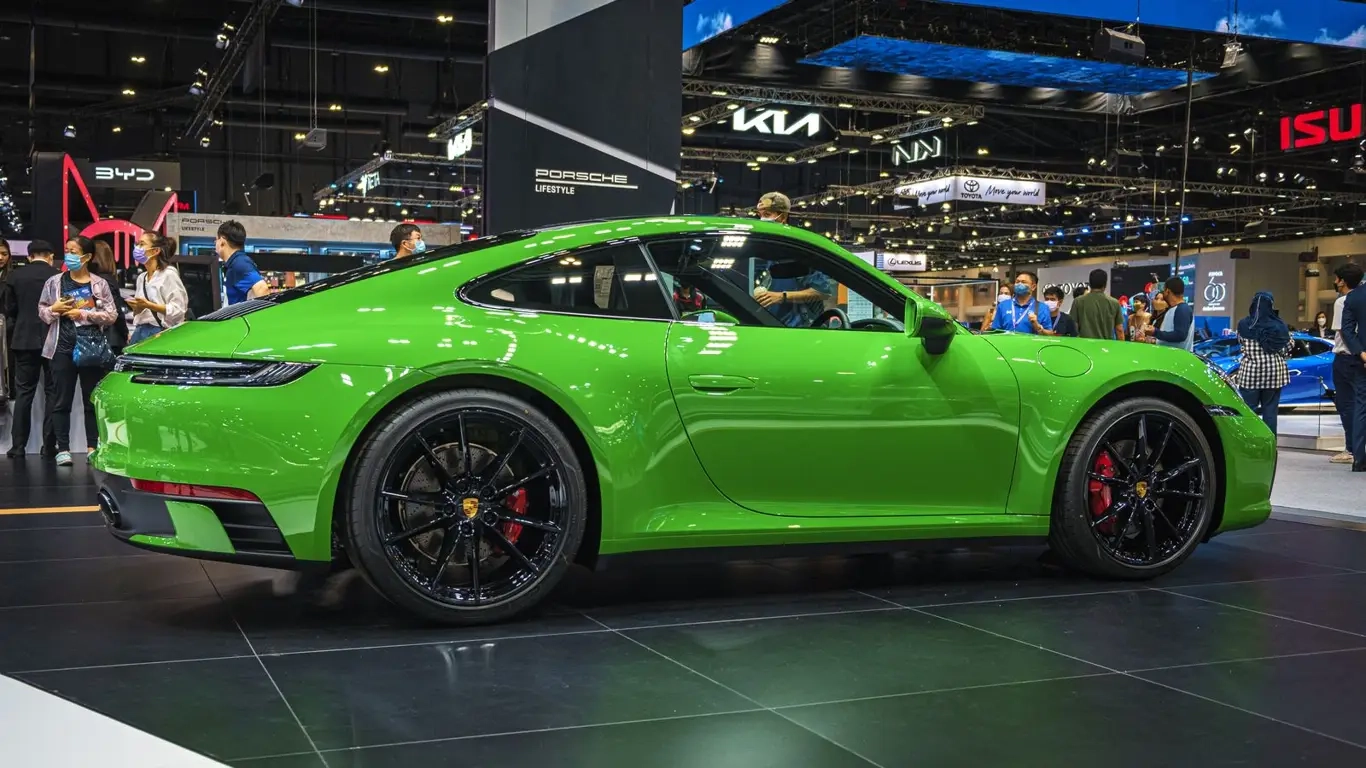

The hybridization of the Porsche 911 has brought new technology and power, but also raised concerns about complexity and maintenance costs. A new company patent suggests these fears may be overblown.
The Carrera GTS and Turbo S models feature a T-Hybrid system with an electrically assisted turbocharger and an additional electric motor in the transmission. The electric motor, mounted directly on the turbo, provides instant throttle response while also acting as a generator to return energy to the battery. This architecture boosts efficiency and performance, but previously complicated service procedures.
The main issue when replacing the electric motor was the need to remove the turbocharger and precisely recalibrate it with special equipment. Porsche has proposed a different approach: the electric motor can be installed without removing the turbo, with lubrication and calibration achieved by running the car's own engine. Calibration is performed using standard diagnostic tools already available at dealerships.
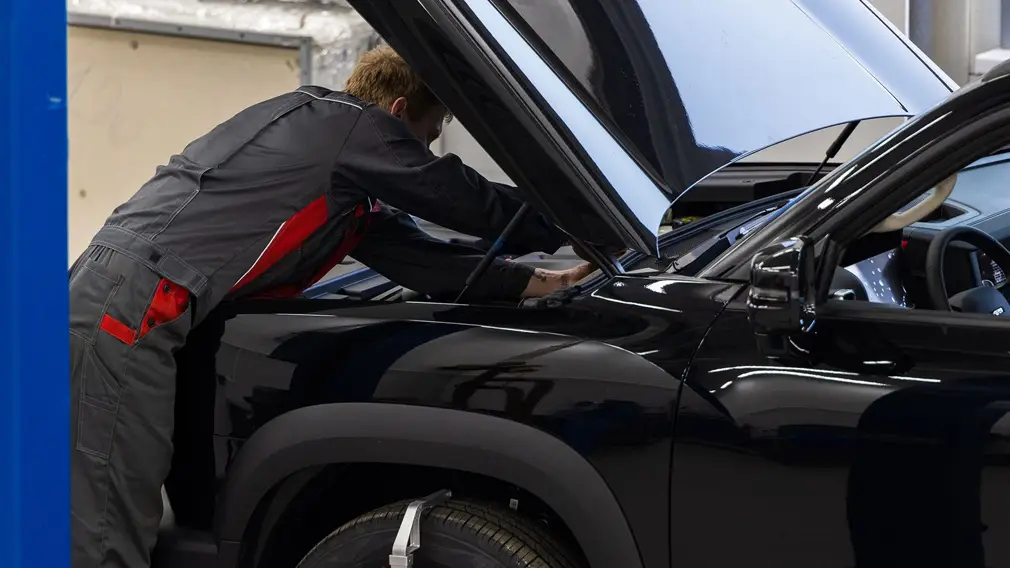
Reducing time and eliminating rare equipment lowers warranty costs for dealers and reduces maintenance expenses for customers after the warranty expires. As a result, complex hybrid turbos become less of a source for potentially expensive problems and more understandable in operation. This matters particularly for sports car owners who value not just performance but also predictable costs.
Porsche's approach demonstrates that even the most complex technical solutions can be adapted for real-world use. If this new method is implemented in production, hybrid 911 versions will gain another practical advantage, making advanced technology less intimidating for owners.