
China is set to introduce some of the world's strictest safety requirements for electric vehicles in 2027. Regulators have officially banned the use of hidden door handles—a design feature that became a symbol of EV aesthetics but has led to multiple incidents, including two fatal cases involving Xiaomi cars. In both episodes, a suspected power failure prevented the doors from being opened from the inside.
The Ministry of Industry and Information Technology now mandates that every door must have a mechanical release mechanism, both externally and internally. Manufacturers are required to provide clearly marked opening mechanisms and abandon systems that rely solely on electronics. This standard takes effect in 2027, with models in the late stages of certification receiving a two-year grace period.
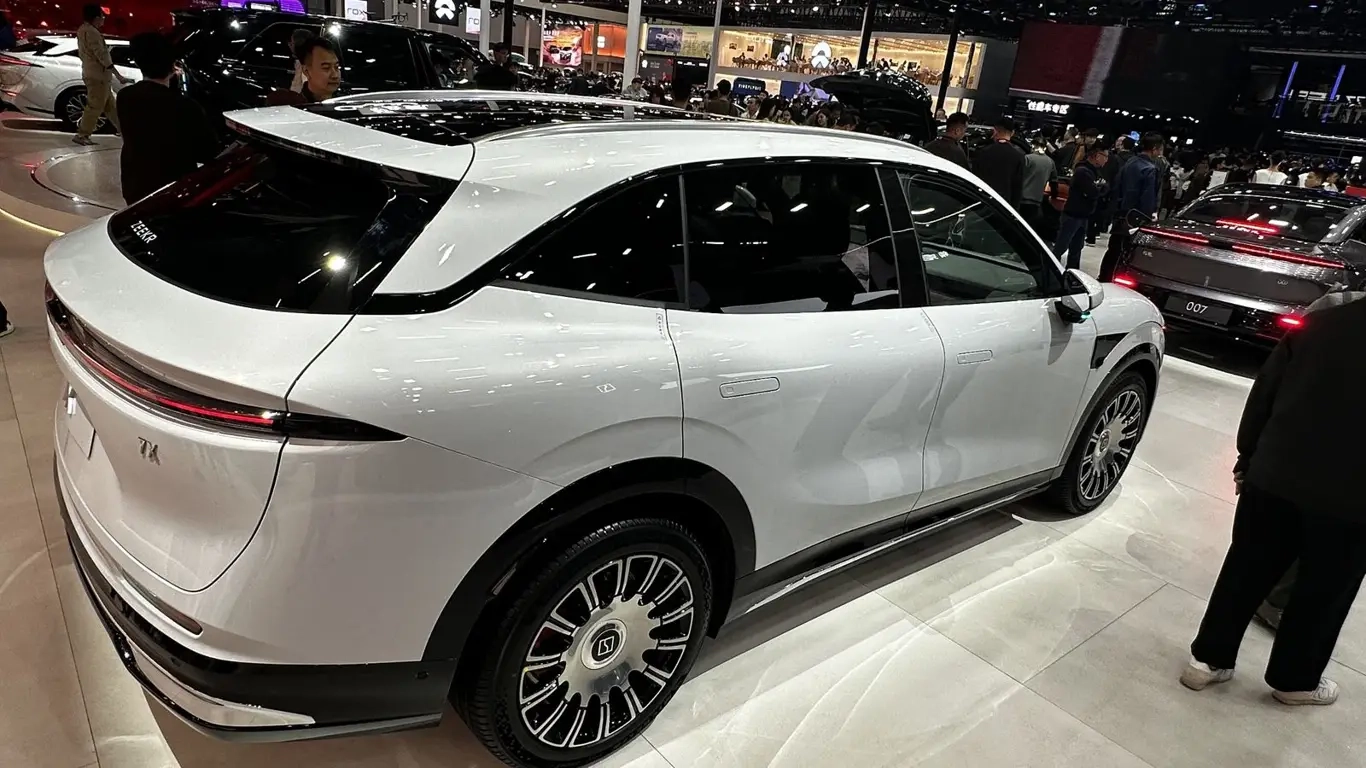
Hidden handles were originally adopted for aerodynamics and premium styling. Tesla pioneered this approach, which was later embraced by Chinese and European brands. However, accident analyses reveal a critical flaw: in the event of a power loss or electrical damage, the mechanism can fail to respond. This creates a risk of passengers being trapped inside, particularly during fires or rollovers.
Investigations following incidents with hidden handles on Xiaomi EVs accelerated the regulators' decision. China has become the first country to abandon this popular design element in favor of guaranteed mechanical access.
According to China Daily, hidden handles are featured on about 60 percent of the top-selling electric models in the country. Now, brands must redesign door architecture, recertify vehicles, and adjust production lines. This move impacts not only the domestic market but also exports: manufacturers will need to adapt models to avoid discrepancies between global platforms and local versions.
The transition period will allow major companies to revise their designs, but in practice, this overhaul will require significant investment in engineering solutions and body panel redesigns.
China's decision has already caught the attention of Western regulators. In the U.S., the NHTSA is investigating complaints from Tesla Model Y owners who reported sudden handle failures. European commissions are also examining the possibility of restricting such systems.
If international regulators follow China's lead, hidden handles could vanish as quickly as they appeared, becoming a transitional phase in automotive design. Meanwhile, vehicles that don't comply with the new law might flood the Russian market.