
The Chinese automotive industry started 2026 with a sharp slowdown. Following several years of rapid growth, the world's largest market is now grappling with falling demand, overproduction, and intense price competition. This is pushing Chinese automakers to expand more aggressively into foreign markets, particularly Europe.
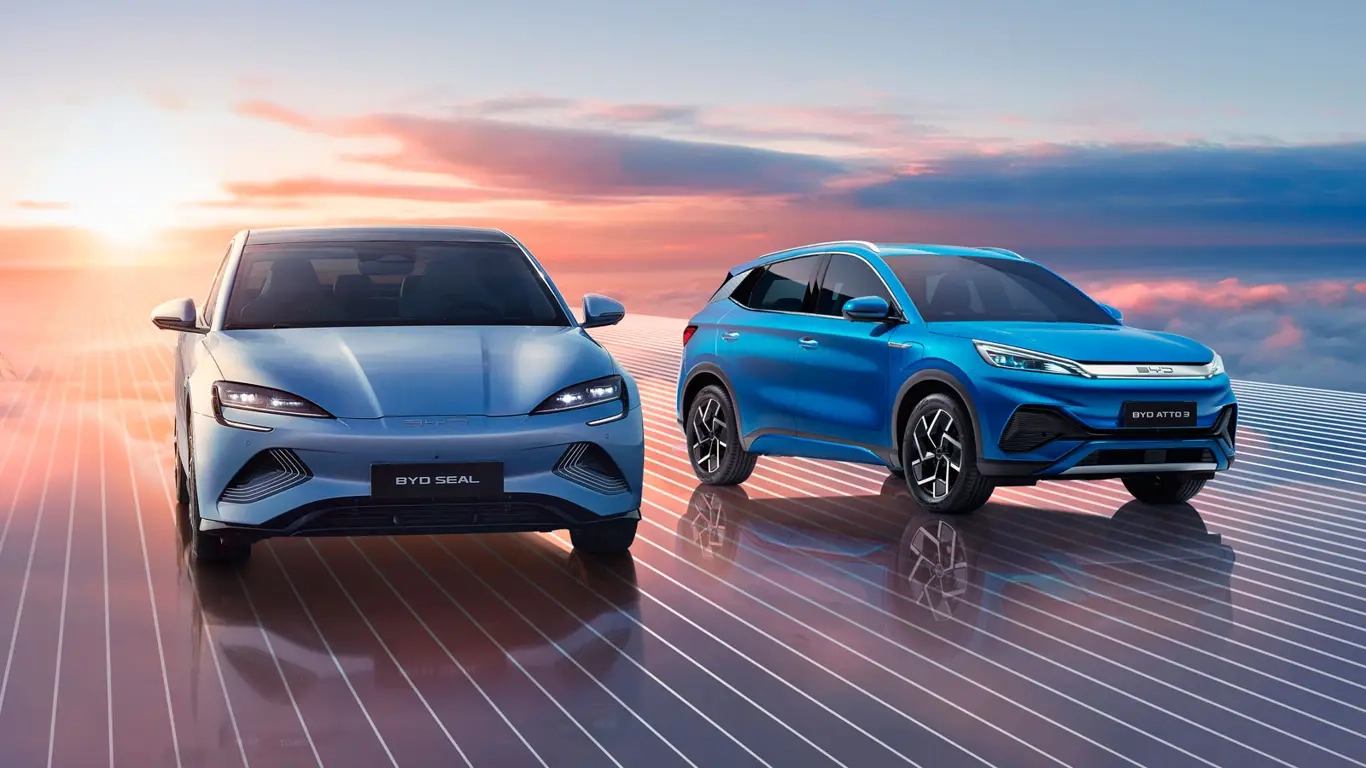
BYD serves as a prime example. In January, the company's deliveries fell by roughly 30% year-on-year, marking the fifth consecutive month of decline. Other brands are facing similar challenges. With the domestic market weakening, exports have become a critical focus for them.
The presence of Chinese brands in the European Union has been growing since 2024. By the end of 2025, their market share approached 10%, especially in the electric and hybrid vehicle segments. In Germany, around 68,000 vehicles from Chinese brands were registered. This success was driven by competitive pricing and a broad model lineup.
In response to EU tariffs on Chinese electric vehicles, manufacturers have shifted their focus to plug-in hybrids, which are subject only to the standard tariff. A new German government support system, which also applies to these models, has provided an additional boost.
Experts note that this increased competition will lead to lower prices and a wider selection, particularly in the urban electric vehicle category. For European buyers, this means more affordable electrified models, while for local automakers, it translates to growing pressure from these new market players.