
If you've ever been interested in cars, you've likely heard these terms: turbocharged engine, supercharged motor, and naturally aspirated. The usual explanation boils down to this: turbos are faster, superchargers are louder, and naturally aspirated engines are 'more honest.' But the differences run much deeper, directly affecting not just power but also driving feel, reliability, and the car's character.
Naturally Aspirated Engine: 'Honest' Mechanics
A naturally aspirated engine uses no forced induction. Air enters on its own, drawn in by the vacuum created by the pistons' movement. There are no turbines, superchargers, or clever tricks—just air, fuel, and mechanics.
This is why such engines are often called 'linear.' The harder you press the accelerator, the more proportionally the RPMs and thrust increase. The car responds predictably, without delays or sudden surges. For the driver, this feels like a direct connection between the pedal and the wheels.
The downside is obvious: to get power, you have to rev a naturally aspirated engine. Small-displacement naturally aspirated units are usually sluggish at low RPMs, with all the action happening higher up. This isn't always economical or convenient if you just want to 'press and go.'
Nevertheless, naturally aspirated engines are especially prized by enthusiasts today. They're loved for their sound, their response, and the feeling of a 'living' engine. In the age of turbocharged motors, the naturally aspirated engine has become a rarity—and its emotional value on the market has only grown because of it.
Turbocharging: Efficiency and Compromises
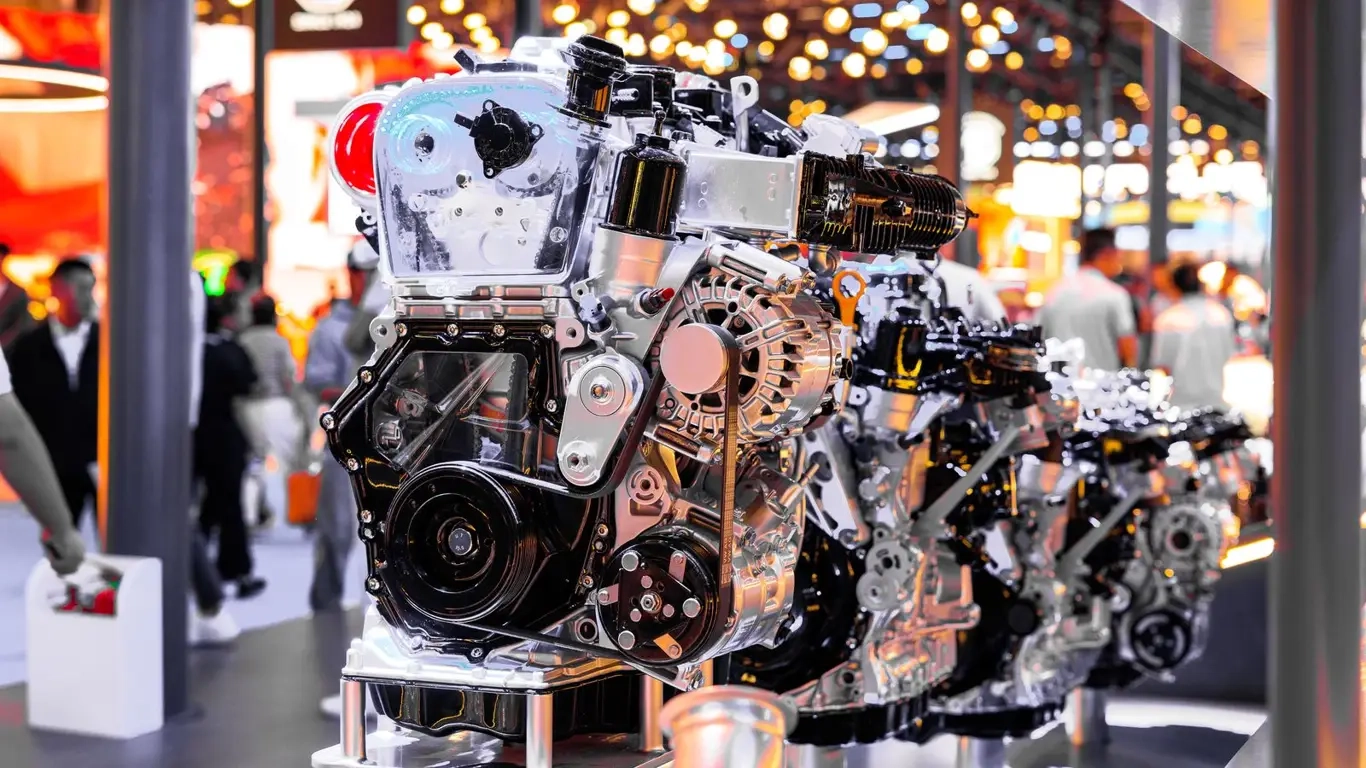
A turbo uses the energy of exhaust gases that would otherwise just go out the tailpipe. These gases spin a turbine wheel, which in turn forces more air into the cylinders. More air means more fuel, which means a more powerful explosion.
The main advantage of a turbo engine is efficiency. A small engine can deliver the power of a larger one while remaining economical in certification tests. This is precisely why turbocharging has largely replaced naturally aspirated engines over the last 10–15 years.
Early turbos suffered from noticeable turbo lag: you'd press the accelerator, there'd be a pause, then a sharp surge. It was dramatic but not always pleasant, and certainly not always safe. Modern turbo engines have almost eliminated this problem: torque is available from low RPMs, with smooth and consistent pull.
But turbos have a flip side. Their complex construction, high temperatures, pressure, and additional components mean potentially more expensive repairs and maintenance. Turbo engines have become more reliable, but physics hasn't changed—the more complex the system, the higher the maintenance demands.
Supercharger: Power Without Pause
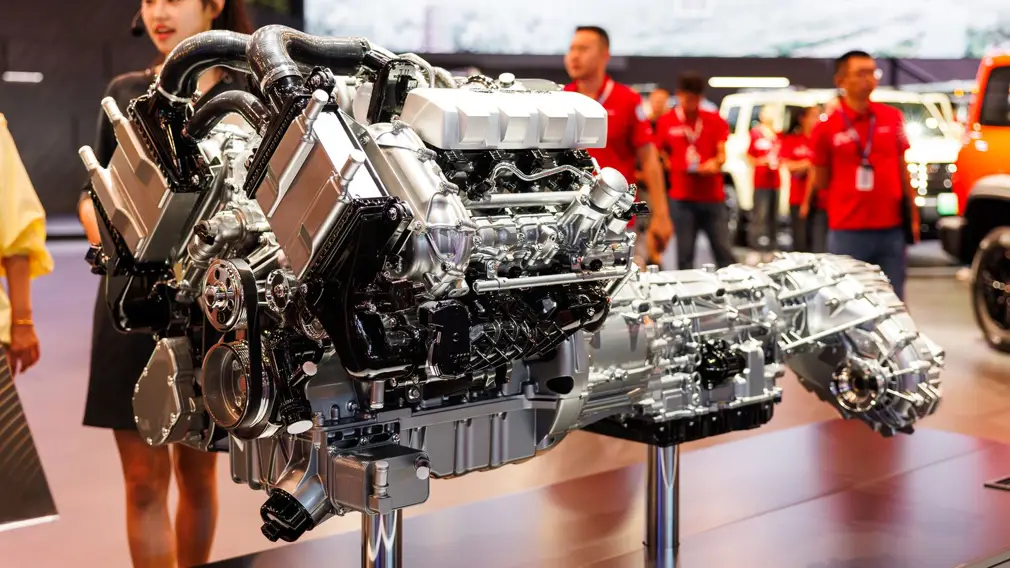
A supercharger, or mechanical compressor, works differently. It's mechanically linked to the engine's crankshaft and driven by a belt. In other words, the engine itself spins the device that forces more air into it.
Because of this, a supercharger delivers thrust almost instantly, without delay. Press the accelerator, and the engine responds immediately. This is why supercharged engines are so popular in American muscle cars and extreme versions of sports models.
The character of these engines is maximally assertive. Torque builds evenly, without the 'explosion' of old turbos. The car is always ready to accelerate, regardless of RPMs.
The price for this is fuel consumption. A supercharger saps some power from the engine, so these motors aren't known for economy. This solution is almost exclusively for emotion, not efficiency.
An added bonus is the sound. The supercharger's high-pitched whine has become iconic, and for many, it alone justifies choosing such an engine.
What to Choose
There's no universal answer. Turbo engines represent a compromise between power and economy, perfectly suited to modern mass-market cars. A supercharger is the choice for maximum sensation and instant thrust. A naturally aspirated engine is for those who value pure mechanics, sound, and predictability.
Power figures can be deceiving today. Two engines with the same horsepower can feel completely different. It's the type of forced induction that defines a car's character, not a line in the technical passport.
This is precisely why the 'turbo vs. naturally aspirated' debate rages on year after year. It's not a question of which is better, but which one feels right to you.