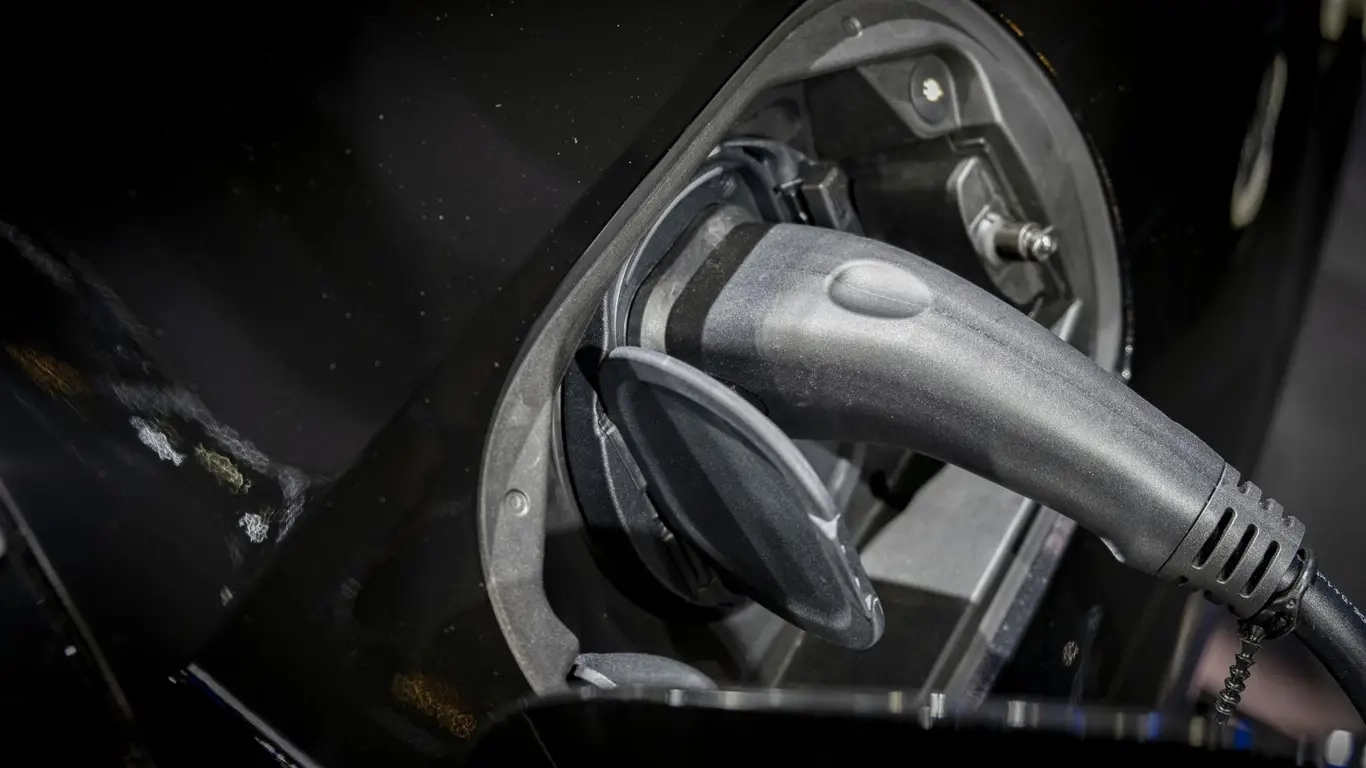

One of the key reasons for electric vehicle battery degradation turns out to be a habit that drivers can choose to break. A study by analytics company Geotab, covering over 22,700 EVs across 21 models, found that batteries lose capacity faster when regularly charged at high-power DC stations exceeding 100 kW.
According to the data, vehicles that used ultra-fast charging for more than 12% of all charging sessions lost an average of about 2.5% battery capacity per year. For those who used such stations less frequently, degradation was around 1.5% annually. In comparison, charging at less powerful stations, including Level 2, resulted in almost half the battery wear rate. Researchers emphasize that avoiding fast charging entirely isn't necessary.
The average degradation of EV batteries is about 2.3% per year, regardless of charging method. Lighter vehicles lose roughly 2% capacity annually on average, while heavier models and vans can lose up to 2.7%. Interestingly, after the first two years of use—when capacity drop is most noticeable—batteries typically stabilize and lose about 1.4% per year.
However, the more a driver relies on high-power charging stations, the faster this process accelerates. Ambient temperature, battery age, and chemical composition also play additional roles. The degradation mechanism involves lithium plating, where ions don't have time to distribute evenly inside the battery during overly rapid charging, reducing available capacity.
LFP batteries are more resilient in this regard than NMC batteries, but they aren't completely immune to accelerated wear. The study also found that EVs operated in hot climates lose capacity about 0.4% faster. Low temperatures are risky too: charging in sub-zero conditions without preheating can cause irreversible battery damage.
Meanwhile, the research dispels a popular myth about strict prohibitions on charging to 100% or discharging below 20%. Elevated wear was only observed in vehicles that almost constantly remained in these extreme ranges. In normal use, modern battery management systems effectively protect the battery.
Fast charging isn't an enemy of electric vehicles, but making it a daily habit isn't wise. Using DC stations on long trips is fine, but for daily charging, opting for a gentler mode is much smarter—your battery will thank you years down the road.