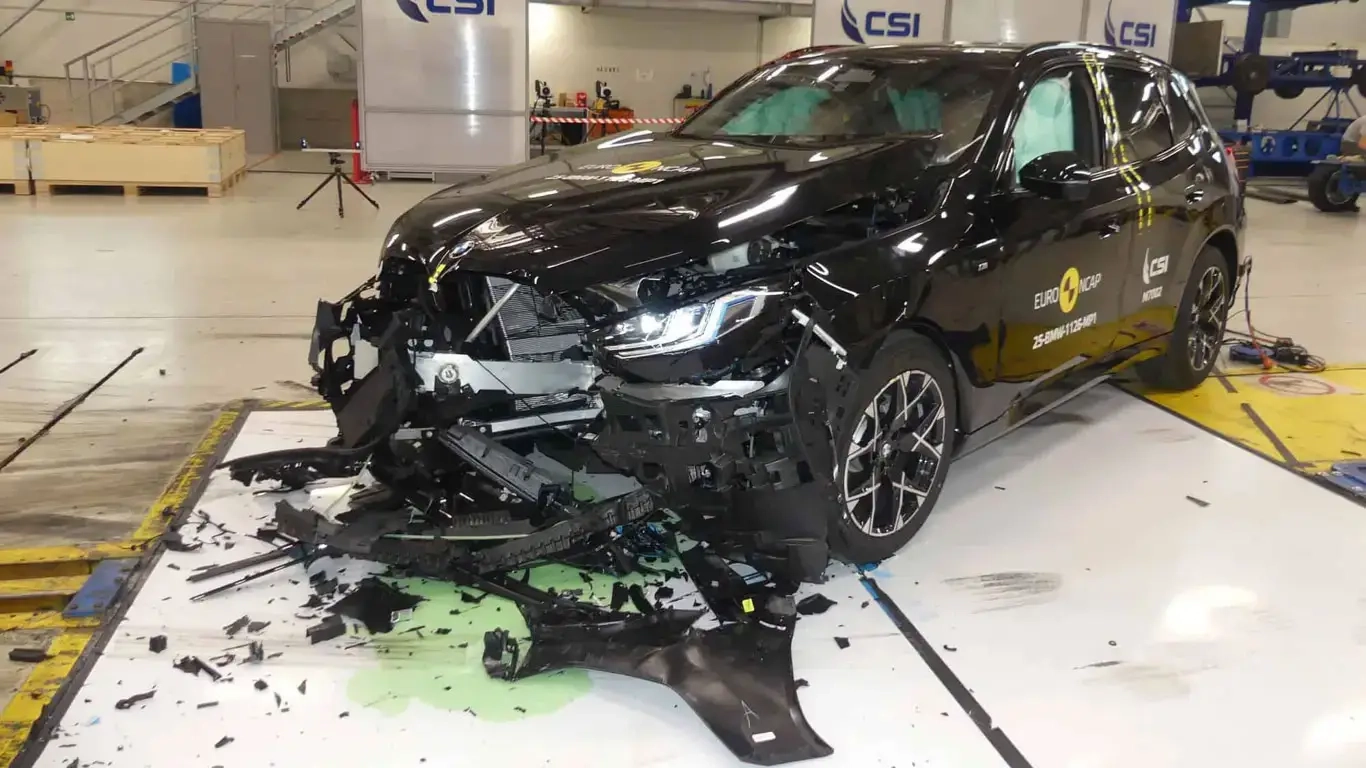

New standards will cover four key aspects that define vehicle safety:
1. Safe Driving
This evaluates the effectiveness of electronic driver assistance systems like lane-keeping assist, adaptive cruise control, and emergency braking assistants. The focus is on improving human-machine interaction quality, minimizing risks from driver errors, and automating vehicle control processes.
2. Accident Prevention
Here, modern collision avoidance systems are assessed, including pedestrian and cyclist recognition features, blind-spot monitoring, and automatic obstacle braking. Sensor and camera accuracy, data processing algorithm reliability, and timely response to crash threats are all crucial.
3. Passenger Protection
This stage involves detailed testing of passive safety systems like airbags, seatbelts, and body structures designed to absorb impact energy. Updated requirements particularly address low-speed frontal crash tests, enhanced protection for elderly passengers and children, and ensuring safety systems are comfortable and easy to use.
4. Post-Accident Rescue
This evaluates features and systems that facilitate victim evacuation and assist rescue services. It covers easier door opening, rapid battery disconnection in electric vehicles, and automatic distress signals that help emergency responders react quickly.
These reforms create significant technical and economic challenges for automakers, as they require costly innovations and substantial improvements in component quality. Overall, the new Euro NCAP standards are becoming a crucial factor in market competitiveness, pushing companies to accelerate innovative solutions and enhance user protection levels.