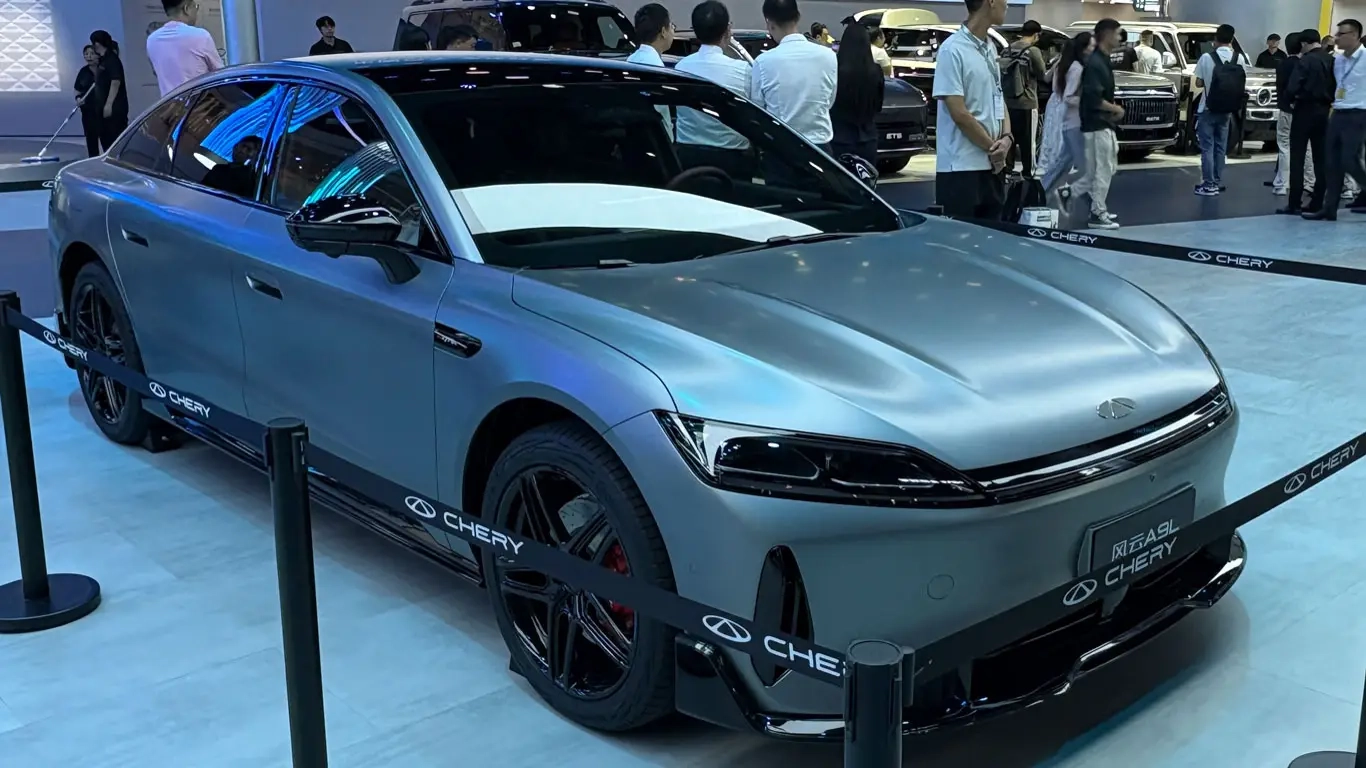

A recent study finds a clear uptick in interest toward Chinese-made cars across several markets. In Brazil, nearly a third of respondents (36%) say they are considering a vehicle from a Chinese manufacturer—evidence that trust in the quality of Chinese automotive products has taken root.
The picture in the United States is markedly different: only one in fourteen respondents (7%) expressed intent to buy a Chinese-brand car, signaling far less willingness to stray from familiar badges.
Europe is the most conservative of the major regions, with interest in Chinese brands remaining minimal despite the broader pivot to eco-friendly mobility and electric vehicles. This may reflect Europeans’ longstanding confidence in homegrown marques and the time newcomers need to earn acceptance.
Inside China, the dynamics reverse. Domestic companies dominate, holding 69% of the home market. Most buyers opt for local brands, reinforcing the national industry. The pattern is especially strong among advocates of clean transport: roughly three quarters of potential buyers say they intend to choose an electric car, and a significant share of those purchases goes to locally produced models.
The export figures tell a similar story. In the first six months of 2025, China lifted auto exports to record highs, shipping 4.95 million vehicles abroad—about 15% more than a year earlier. Electric vehicles led the surge: approximately 1.76 million EVs were exported, an 89% jump, underscoring how quickly momentum is building.
Younger buyers show the strongest inclination toward Chinese automotive brands, challenging the traditional playbook of global giants whose audience loyalty is gradually fading.
Taken together, the research points to a steady strengthening of Chinese manufacturers’ position in the global car market—less a passing spike than a structural shift in buyer preferences.