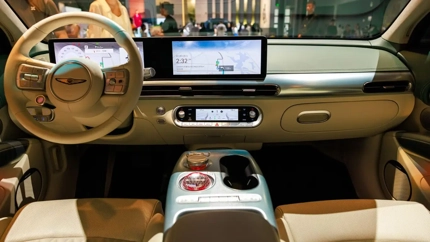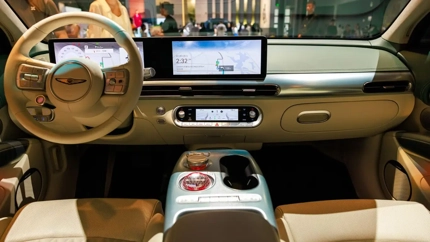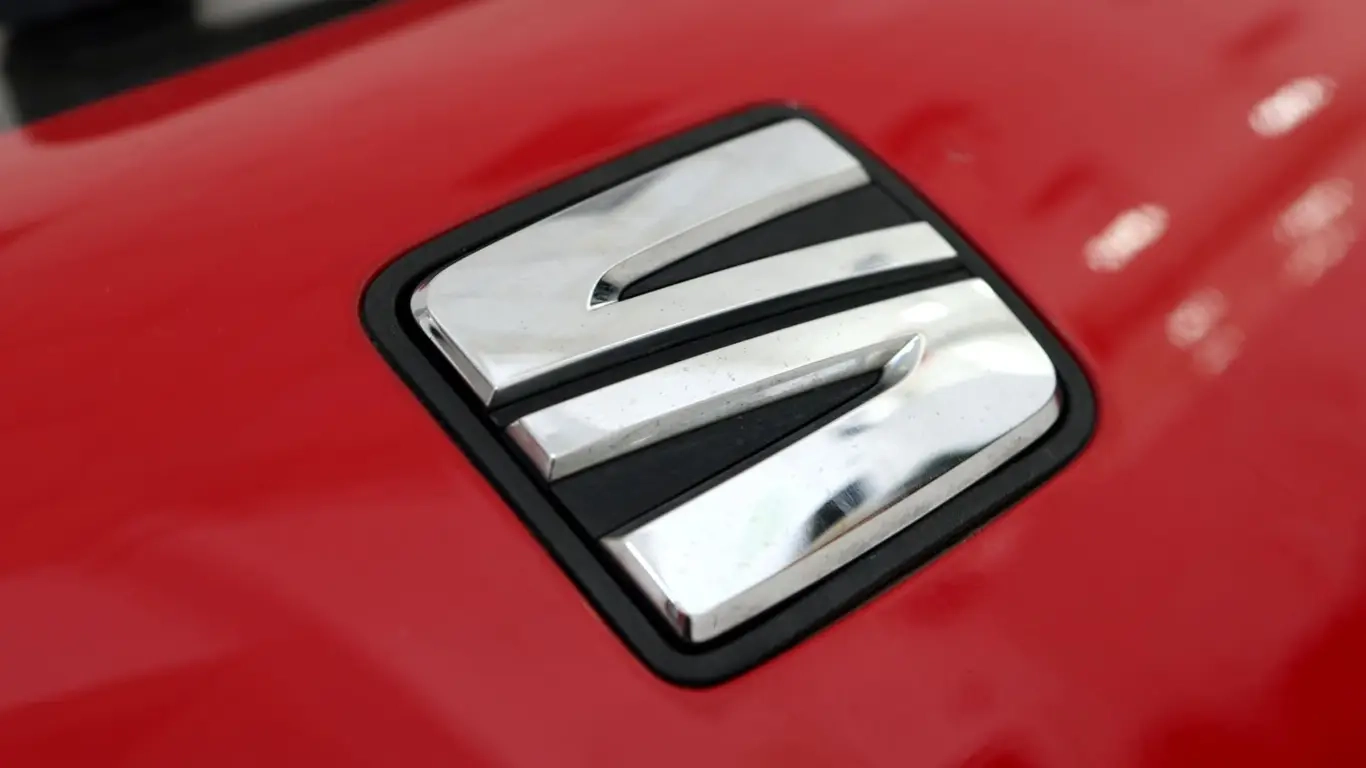

Volkswagen has yet to decide on the future of the SEAT brand beyond 2030. The company has frozen major investments while awaiting final EU decisions on Euro 7 regulations, which will determine the fate of its model lineup. As CUPRA actively develops electric projects, including the compact EV Raval, SEAT itself is left without electric vehicles following the departure of the Mii electric.
Upcoming updates for the brand are minimal: the Ibiza and Arona will receive mild hybrids in 2027, while the Leon will get a hybrid version and a facelift in 2028–2029. Further developments are on hold. Management states clearly that investing in budget EVs is currently too expensive, and margins in the mass-market segment are insufficient. In contrast, CUPRA, as a more profitable brand, can cover the costs of electrification.
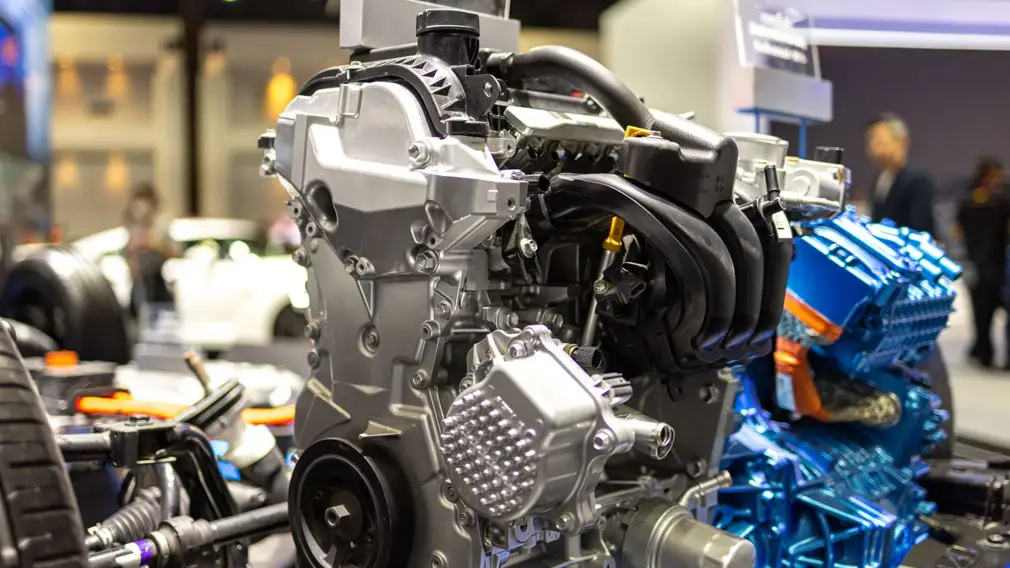
According to French outlet Caradisiac, no SEAT models are planned on the MEB+ platform: the company is focused on maintaining its current internal combustion engine lineup as long as legislation allows. At least until 2029, the brand will not have its own electric vehicles.
Meanwhile, the VW Group is actively electrifying its Spanish plants: production of the CUPRA Raval and Volkswagen ID. Polo will start in Martorell in 2026, while the Skoda Epiq and ID. Cross will be produced in Navarre.
The future of SEAT remains uncertain: the brand is balancing between extending the life of its internal combustion models and potentially transitioning to a new role within the group.