
Ford invested approximately three billion dollars in developing the Taurus, betting big on its success. The model featured an innovative new body design and introduced front-wheel drive—a move considered risky for the American market at the time. This bold strategy paid off, as the Taurus quickly gained popularity with buyers, becoming one of the best-selling models of the late 1980s and securing financial stability for the company.
Chrysler Minivan (1984)
The Chrysler Minivan created an entirely new vehicle category: the minivan. Its launch helped Chrysler recover financially after a difficult period marked by bankruptcies and workforce reductions. By introducing this model, the company took a leading position in the family car market, effectively shaping a new direction in consumer demand and remaining a popular choice well into the 21st century.
Porsche Cayenne (2003)
The Porsche Cayenne SUV received a mixed reception, with many brand enthusiasts concerned it would dilute Porsche's authentic sports car character. However, the company's leadership decided to respond to mass-market demand by releasing a premium SUV. Thanks to a successful launch and strong sales, the vehicle significantly boosted the company's profitability, enabling production expansion and attracting new customers. Today, the Cayenne remains a key part of Porsche's portfolio.
Subaru Outback (1995)
Before the Subaru Outback, the brand was primarily associated with affordable family cars. But with the introduction of the Outback, equipped with all-wheel drive and enhanced off-road capability, this model came to embody an active, outdoor lifestyle. It helped reshape the brand's image and expanded the company's presence in the global market, highlighting Subaru's signature trait: reliability beyond paved roads.
Volkswagen Golf (1974)
The arrival of the Volkswagen Golf marked a pivotal turn in the brand's storied history. This model replaced the outdated VW Beetle, offering buyers a modern hatchback with a front-mounted, transversely oriented engine. The car proved so successful that it remains one of the company's best products today, serving as the foundation for Volkswagen's development strategy for decades.
Nissan Qashqai (2007)
The launch of the Nissan Qashqai revolutionized Europe's compact crossover segment. This vehicle offered an optimal blend of practicality, ease of handling, and contemporary design, instantly winning over European consumers. The Qashqai's success allowed the brand to establish a strong presence on the continent, significantly strengthening Nissan's position in the competitive European automotive market.
BMW 3 Series (1975)
The Bavarian manufacturer introduced the BMW 3 Series, laying the groundwork for a new segment of premium sports sedans. This family of cars became a symbol of the company's ambition to conquer the international market. Reliable dynamics, luxurious finishes, and high performance made the 3 Series a leader in its class, transforming the brand into one of the world's largest automotive players.
Fiat 500 (2007)
The classic Fiat 500 returned after decades, updated and adapted to modern realities. The car featured a stylish retro design, comfortable equipment, and accessible pricing. These characteristics helped the brand regain lost ground in the European automotive industry, making the 500 a cult car once again and a prominent brand, especially among younger drivers.
Mazda MX-5 Miata (1989)
The MX-5 Miata created a sensation among enthusiasts of small sports cars. This compact, affordable roadster with excellent handling attracted a broad audience of Mazda fans. With its high driving enjoyment, outstanding value for money, and minimalist design approach, the car secured a lasting place in the hearts of drivers and significantly boosted the reputation of the Japanese brand.
Jeep Wrangler (1987)
The Wrangler continued the development of the legendary Jeep CJ line, preserving the spirit of adventure and unique traits of classic American military vehicles. An updated design and the use of modern technologies allowed the vehicle to maintain its appeal to consumers while ensuring steady profits for the company, upholding its status as the brand's flagship product.
Hyundai Elantra (1990)
After numerous setbacks, South Korean automaker Hyundai turned to producing the quality budget sedan Hyundai Elantra. It stood out for its good build quality and warranty service, which played a decisive role in restoring buyer trust in the Korean manufacturer's products. In this way, the Elantra enabled the firm to overcome financial difficulties and compete successfully on the international stage.
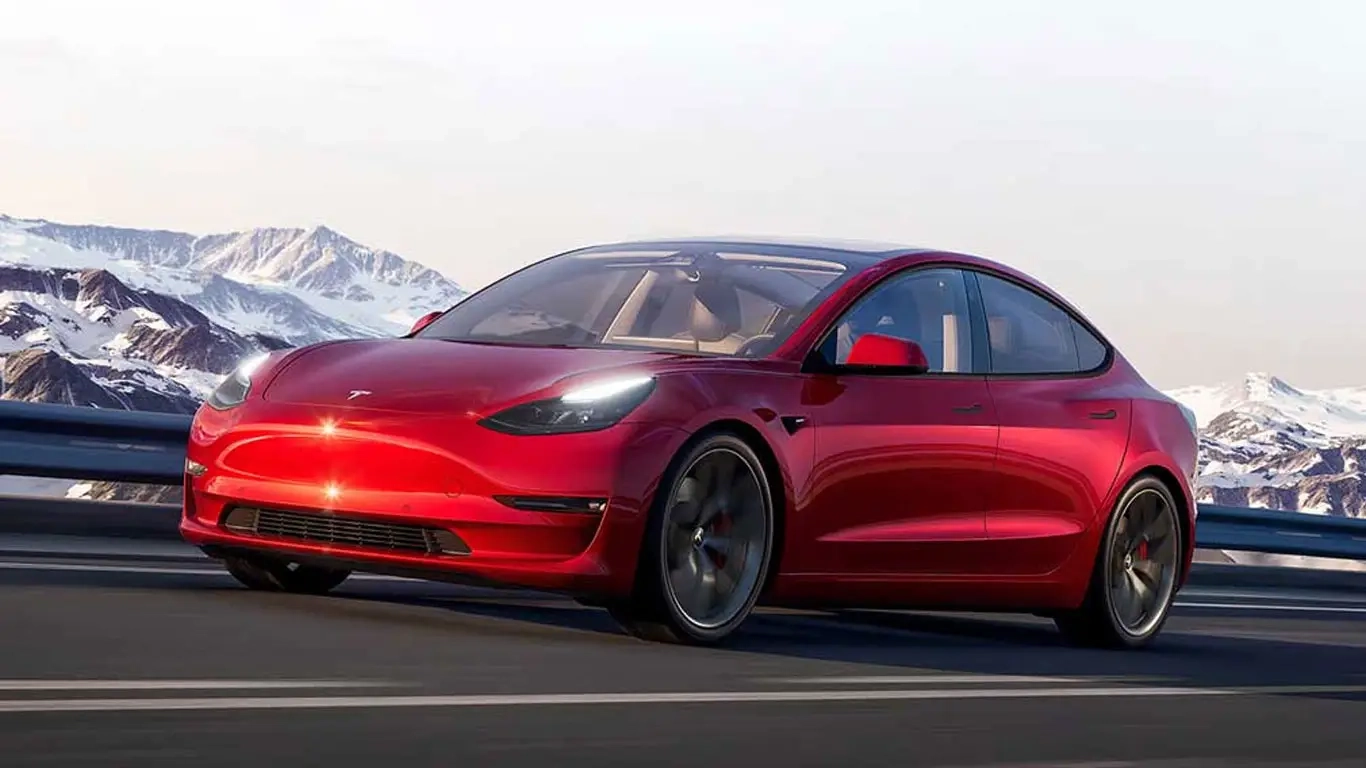
Tesla Model 3 (2017)
On the path to mass-market appeal, Tesla faced challenges in scaling production. However, the launch of the Tesla Model 3 became a turning point for the entire electric car industry. This model gained demand worldwide, transforming into one of the symbols of the mass transition to environmentally friendly transport. Sales of the Model 3 helped the company solidify its leadership in the electric vehicle sector and enter fundamentally new markets.