
Renault has officially confirmed that it considers it "logical and likely" to locate production of compact electric vehicles in Spain. CEO François Provost stated that the Palencia plant, which already manufactures the Austral, Espace, and Rafale, is a key facility for the group in the C and D segments, and European regulations—particularly the EU's 2030 plans—make the transition to EVs inevitable. The decision has not yet been signed, but it is expected after negotiations on the collective agreement conclude.
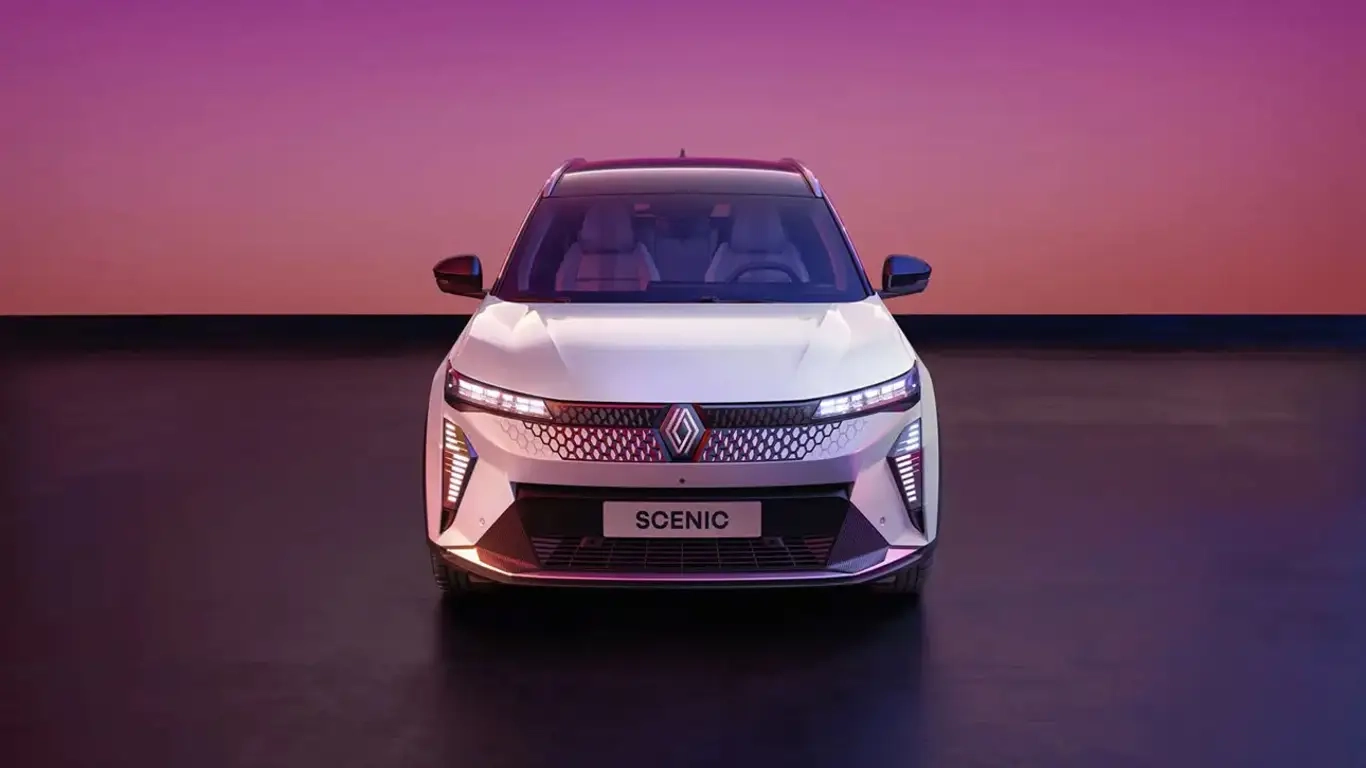
According to data published by Handelsblatt, Palencia could receive production of two next-generation models: the compact electric crossover Scenic, about 4.5 meters long, and the 4.7-meter-long coupe-crossover Rafale. Annual capacity is estimated at 184,000 vehicles, with around 130,000 of those likely to be Scenics. It is not ruled out that a 7-seat Scenic variant could be added later, potentially reviving the Austral name.
Both new electric vehicles will move to the second-generation AmpR Medium architecture. This platform will allow Renault to reduce production costs by about 40% and bring EV prices to parity with their gasoline counterparts. Key technologies include an 800-volt electrical system with ultra-fast charging (15–80% in roughly 15 minutes), putting the new models on par with premium competitors.
In parallel, Renault is preparing to expand the Scenic range with an EREV version offering extended range. The internal project name is "super-hybrid." The vehicle will feature a 1.5-liter four-cylinder engine-generator developed by Horse Powertrain, a joint venture between Renault and Geely, where the internal combustion engine, generator, and inverter are integrated into a single module.
Current Rafale and Espace models are expected to be discontinued after the Austral facelift and the shift to AmpR Medium. As a result, Palencia will become one of the key points for Renault's European electrification, joining other manufacturers already localizing BEV production in Spain.