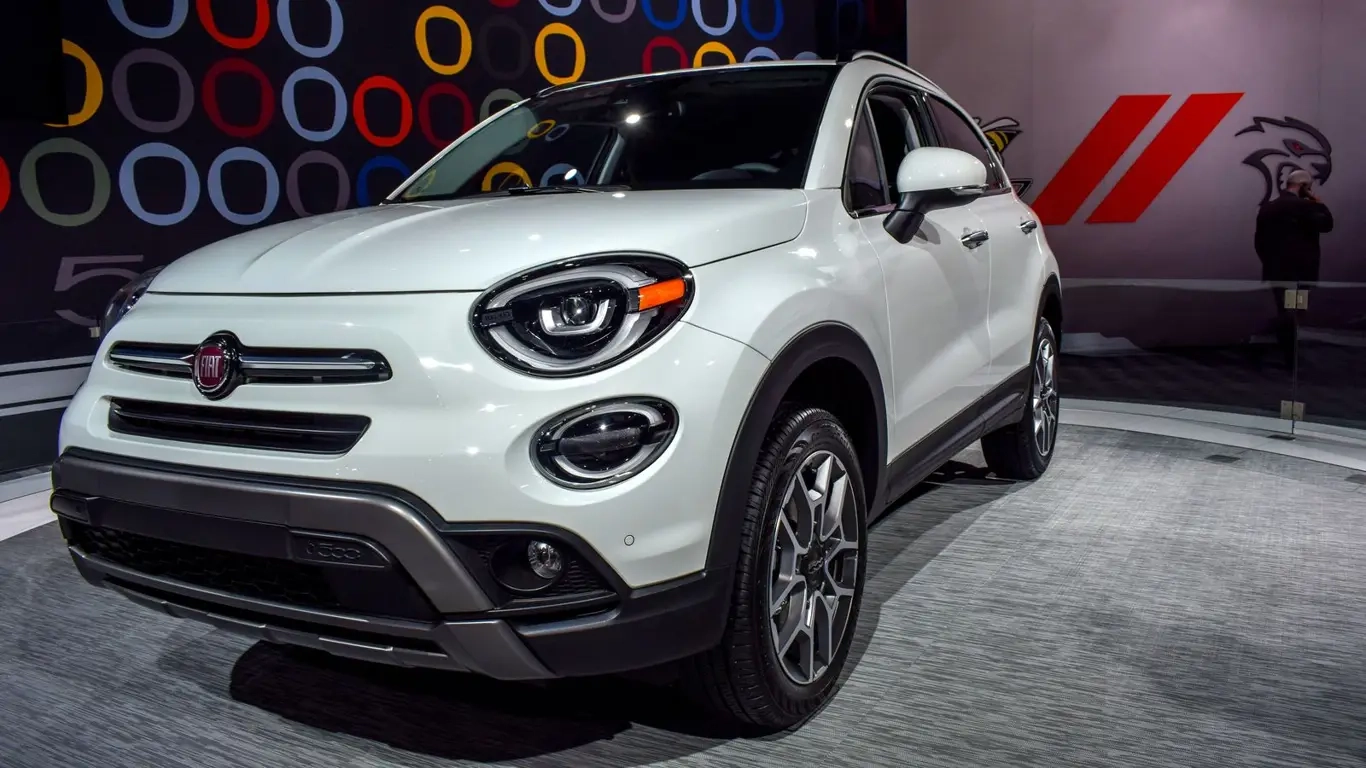

FIAT faces an unexpected challenge: the new 500 Hybrid, intended to boost falling sales of the electric 500e, turns out to be too "dirty" for European standards. The mild-hybrid with a 1.0 FireFly engine emits 117g of CO2 per kilometer—a figure that sharply worsens Stellantis' corporate average emissions and directly increases the risk of million-euro EU fines. As a result, sales volumes will have to be artificially limited despite high potential demand.
According to brand representatives, FIAT's plan for 2026 includes producing only 85,000 units of the 500 series in Turin, and the reason is not production shortages but environmental constraints. In the future, Stellantis aims to ramp up Mirafiori to 120,000 cars per year, but the focus will need to be primarily on the electric 500e version.
Technically, the new 500 Hybrid also raises questions: a 0-100 km/h time of 16.2 seconds and minimal electric assistance make it feel outdated compared to more modern mild-hybrid rivals. Moreover, FIAT is already preparing a major update for the 500e, including a switch to cheaper LFP batteries, which should lower the model's price and boost its appeal.
FIAT's emissions issue is systemic. The Panda Hybrid emits 112g/km, the Grande Panda 116–131g/km, and the 600 Hybrid 109g/km, with the latter soon to get a less efficient gasoline engine. Therefore, the manufacturer must accelerate the share of electric vehicles, or meeting European regulations will be impossible.
FIAT is entering a period where the strategy of selling high volumes of affordable hybrids no longer works—now the brand's future depends directly on the success of its electric lineup.