Bentley has revised its strategy: the full switch to electric vehicles is now planned for 2035. In the coming years, the British marque will continue building internal-combustion engines and hybrids. At the center of this updated philosophy is the next-generation Flying Spur — a sedan meant to fuse tradition with cutting-edge tech. The shift feels like a measured pivot rather than an abrupt U-turn, keeping devoted clients engaged while the brand readies its all-electric offering.
The design draws inspiration from the EXP 15 concept: a rectangular grille, vertical LED headlights, and a monolithic body give the saloon a stern, muscular stance. Inside, digital solutions meet classic craftsmanship: expected OLED displays, backlit wood, and an augmented-reality head-up display. Those touches should make the interior feel modern yet warm, a balance Bentley tends to execute well.
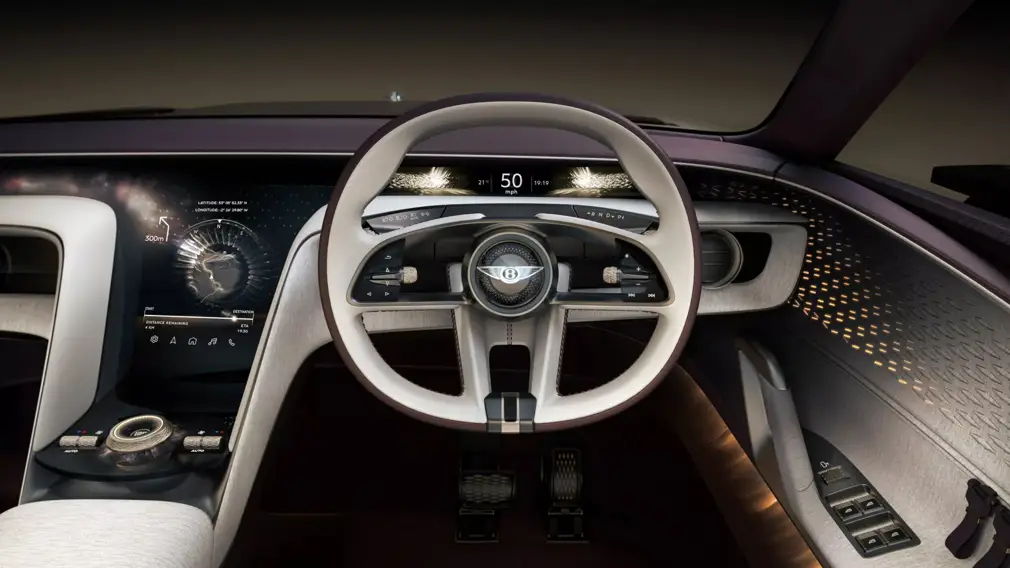
The Flying Spur will be offered in three setups: a petrol version with a revised V8 producing up to 700 hp; a hybrid with a combined output of more than 770 hp; and a fully electric model with an estimated range of about 600 km. The electric variant will share its platform with the Porsche Cayenne EV and may deliver up to 1000 hp. That spread underscores a clear emphasis on performance, whatever the power source.
The model is set to square off against the Rolls-Royce Ghost and the Mercedes-Maybach S-Class. A debut is expected in 2026–2027, a milestone for Bentley’s recalibrated course at the crossroads of classic luxury and the digital future. If the execution matches the brief, the Flying Spur could become the brand’s most convincing statement of intent in years.