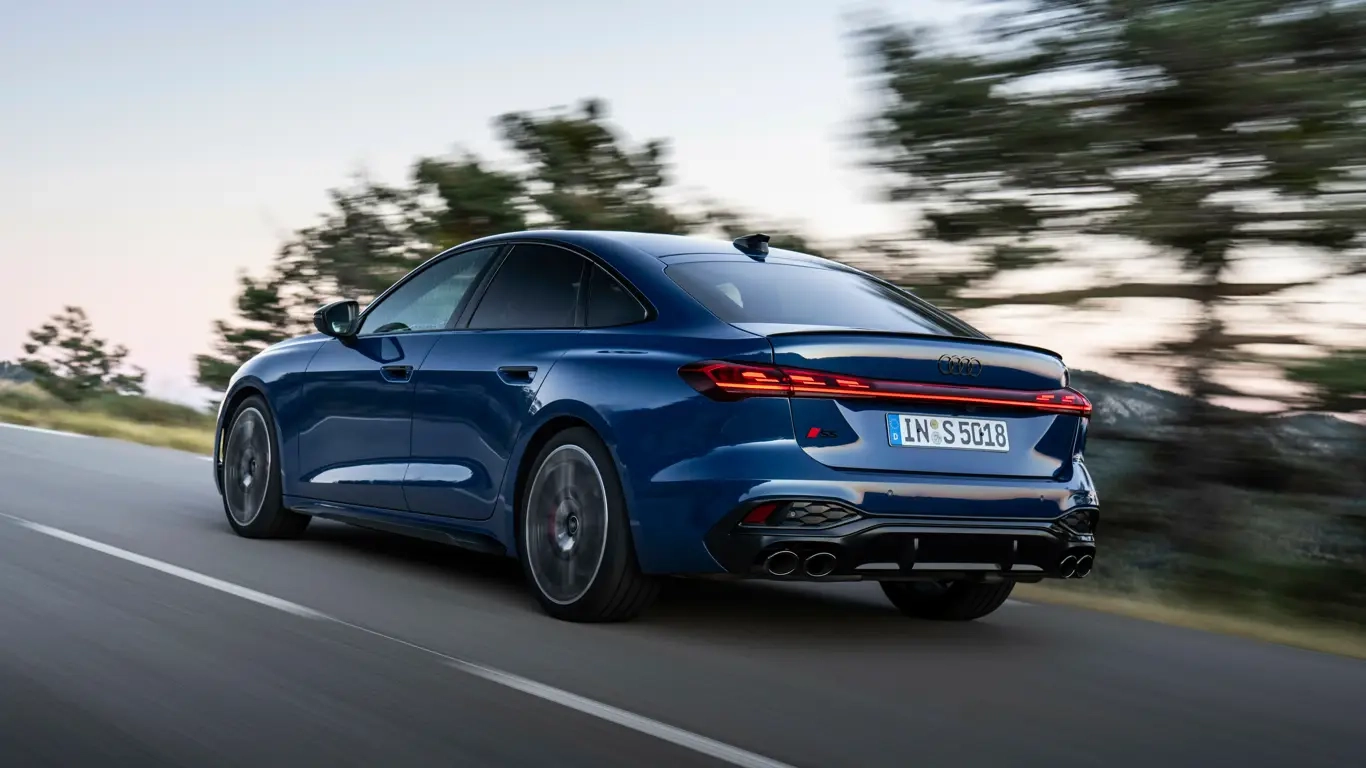

Audi CEO Gernot Döllner has stated that gasoline engines will remain in the brand's lineup at least until the 2030s. He explained that slowing electric vehicle sales in the U.S. and sustained demand for internal combustion engine cars require a more flexible strategy.
Previously, Audi planned to fully transition to electric vehicles by 2033, but the company has now abandoned strict deadlines. Döllner noted that the U.S. market remains focused on SUVs and pickups with combustion engines. Meanwhile, in China and Europe, electric vehicles are developing faster, but there is also growing interest in hybrids and extended-range versions.
In the coming years, Audi will continue to develop existing platforms for gasoline and hybrid models, increasing the level of hybridization. Creating entirely new platforms for combustion engines is not currently planned, but a decision on potentially developing the next generation of such architectures could be made in the early 2030s if demand persists.
Compact models, including the A3 and smaller cars, will be an exception—in Europe and China, they are set to become fully electric in the early part of the next decade. As a result, future Audi models will be offered with various types of powertrains. The company intends to maintain separate platforms for electric vehicles and combustion engine models, viewing this approach as less compromising.