
It's worth noting that the aluminum produced at Novelis' plant is used in manufacturing Ford's most popular pickups and SUVs. As a result, the crisis caused by the fires inevitably impacted production volumes for these models.
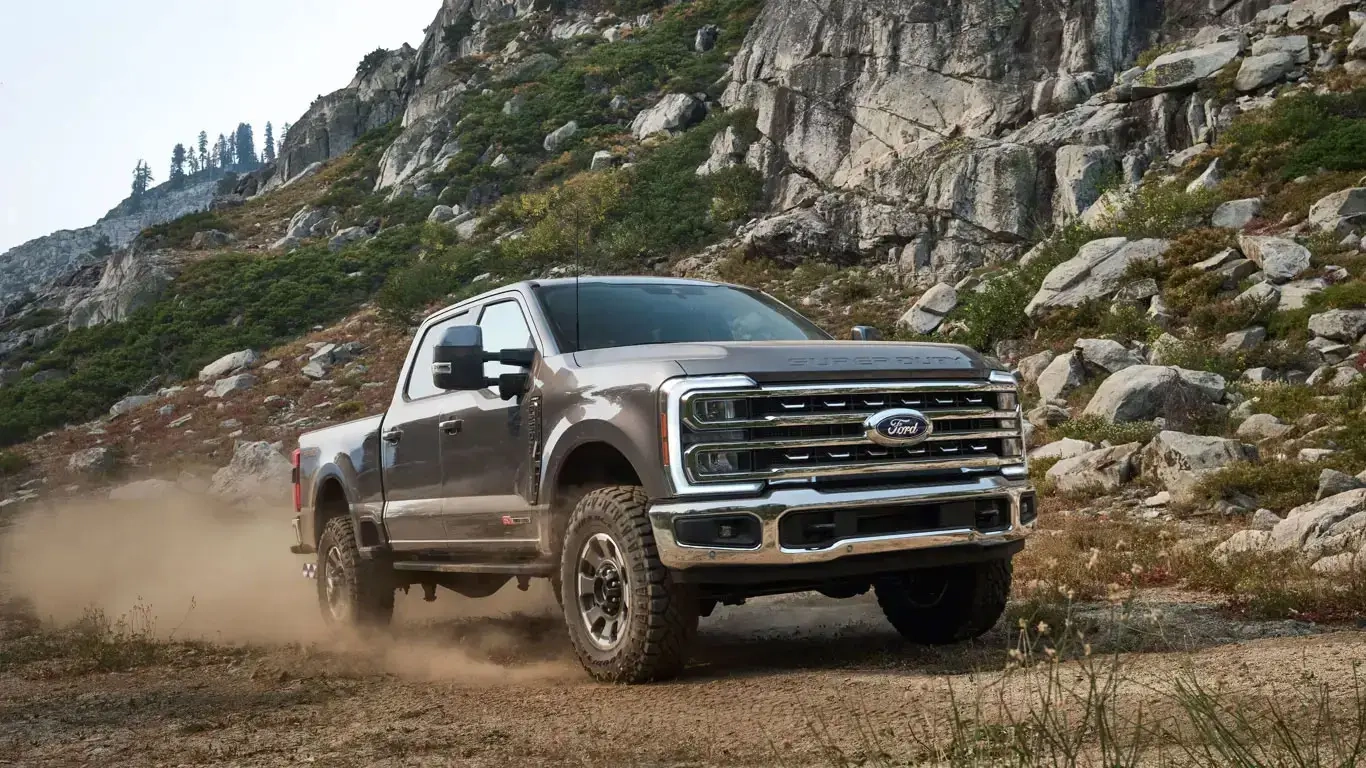
Specifically, Ford Super Duty pickup production saw a sharp decline in January. At the Kentucky plant, output dropped from 27,818 units in December to 14,190 in January—a decrease of 13,628 units, or 49%. Meanwhile, the Ohio plant produced 1,139 Super Duty pickups in January compared to 1,772 in December, a reduction of 633 trucks, or nearly 36%. Overall, total Ford Super Duty production in January stood at 15,239 units, which is 14,261 fewer than the previous month, marking a 48% drop.
However, by the following month, February, Super Duty production had already rebounded to pre-fire levels, matching figures from a year earlier. Ford produced 29,500 Super Duty vehicles at the Kentucky plant and 1,547 in Ohio.
Despite the fires at the Novelis plant potentially costing Ford a staggering $2 billion, the automaker also plans to ramp up production of the F-150 and Super Duty throughout 2026. This move aims to offset those losses and meet growing demand by increasing shift counts and workforce at these plants.