
The reasons for these model departures vary: for some, it was time to end the production cycle, while others were affected by global shifts in automotive market trends. Manufacturers began focusing more on crossovers and electric cars, leading many traditional automotive representatives to give way to new, promising segments.
BMW Discontinues Two Important Models
BMW is known for its commitment to quality and innovation, yet 2006 marked the closure of two iconic series.
BMW 3 Series (E46)
This was one of the most successful generations of Germany's most popular business model. The sedans left the market first, while the coupes and convertibles lasted a few more months until autumn 2006. This car is remembered for its harmonious design and excellent technical characteristics, remaining popular among brand enthusiasts to this day.
BMW X5 (E53)
This version was the brand's first SUV. Although it formally ceased to exist in autumn 2006, this vehicle laid the foundation for the success of BMW's entire SUV line. Many fans highly value the E53 for its reliability and style, which remains relevant years after production ended.
French Automotive Industry
The French automotive fleet also underwent significant changes in the mid-2000s. Some iconic French models quietly went into the archives, leaving bright memories for car owners around the world.
Citroën Xsara
This versatile and easy-to-operate car proved very successful in Europe. However, its life cycle ended without a worthy successor at the end of 2006. The lack of updates meant the complete closure of this legend of French roads.
Peugeot 504
This model long outgrew the status of a simple car and became a symbol of reliability and style. The Peugeot 504 became one of the most durable cars in the world, as despite the official closure of production in France, some factories continued to assemble these vehicles by hand, especially in Africa. The last produced car was made there in 2006.
Renault 12
One of Renault's first mass-market models left the assembly line long before the new millennium, but the Romanian company Dacia continued to produce the commercial version of this model until the end of 2006. Thus, the Renault 12 remained in service much longer than planned.
Toyota Parts Ways with Its Sports Coupe Family
For Japanese automaker Toyota, the end of the first decade of the 21st century was a time of serious change. The company gradually abandoned the sports component of its portfolio, retiring two important sports coupe versions.
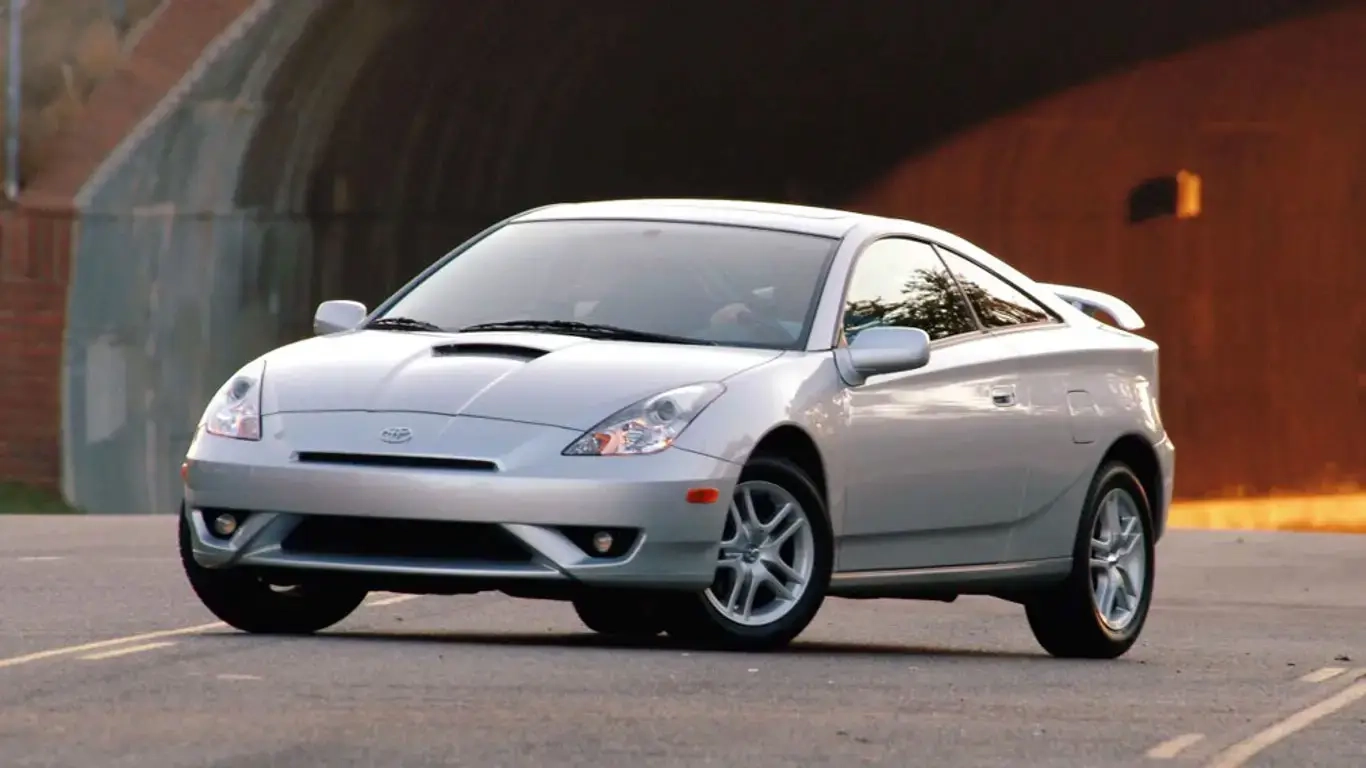
Toyota Celica
One of the symbols of Japanese speed machines from the early 20th century ended its long history in 2006. Seven generations of the model gave fans unforgettable experiences, combining attractive looks and engine power. Today, it's becoming increasingly rare to see a Celica on the roads, but its memory lives on thanks to its contribution to popularizing sports cars.
Toyota Corolla (E90)
Although the main assembly line stopped earlier, the South African division continued to produce this version until 2006. One of the best-selling models in the world proved its resilience and popularity, becoming a true classic among budget family cars.
Thus, 2006 proved to be a landmark period for many automotive brands, leaving many beloved models in the past. However, these cars continue to live in the hearts of owners and collectors, forming part of the rich automotive history of our time.