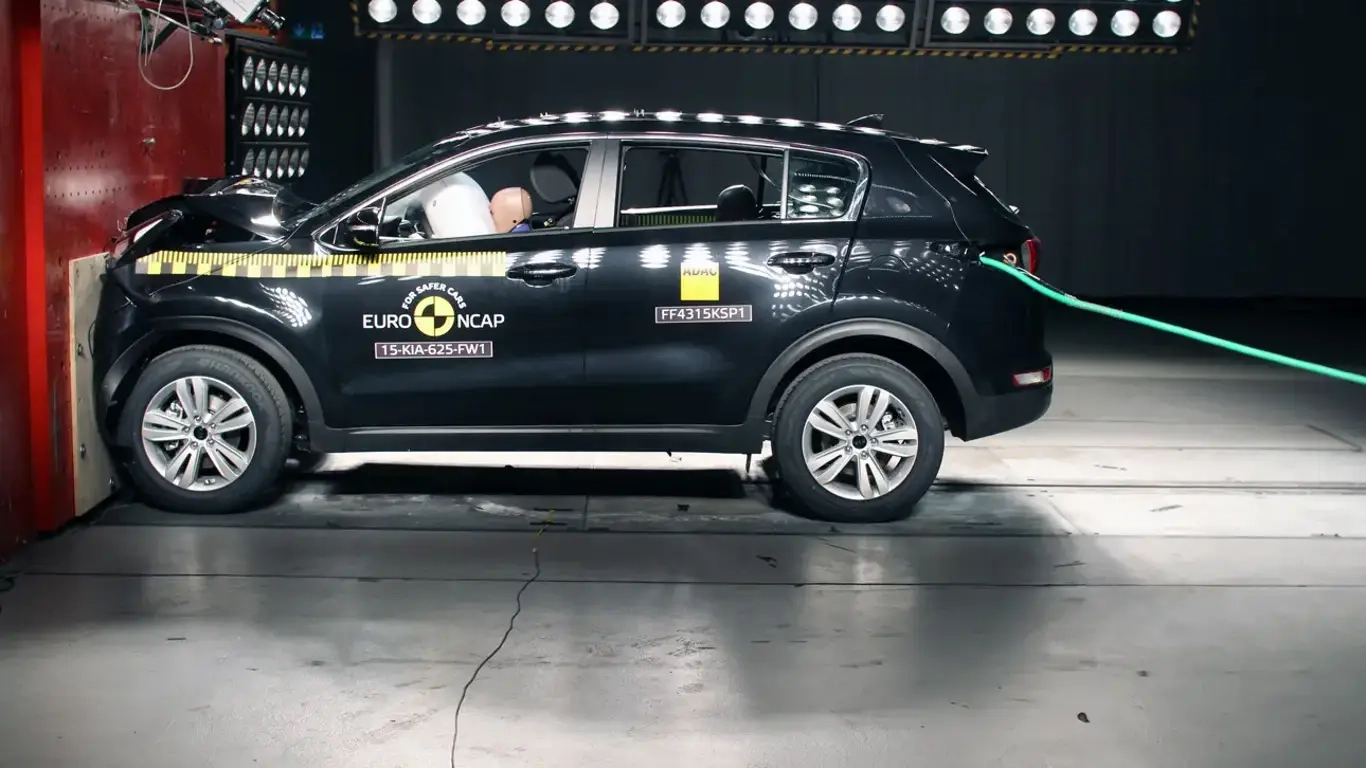

As cars become faster, larger, and more technologically advanced, safety is taking center stage when choosing a new vehicle. Today's buyers are looking beyond just power and features—they're also scrutinizing crash test results, driver assistance systems, and real-world passenger protection metrics.
There's no single "safest" car on the market, as safety is evaluated by various organizations including Euro NCAP, IIHS in the US, and ANCAP in Australia and New Zealand. Still, certain models consistently achieve top scores. Tarantas News analyzed test results to identify these standout vehicles.
Globally, large premium sedans and crossovers remain leaders. Volvo has long been synonymous with safety, and recent generations of the XC90 and XC60 regularly earn five-star Euro NCAP ratings with adult occupant protection scores exceeding 90%. The Mercedes-Benz S-Class also demonstrates exceptional passive and active safety, thanks to an extensive suite of assistants including adaptive cruise control with Level 2+ autonomous driving capabilities.
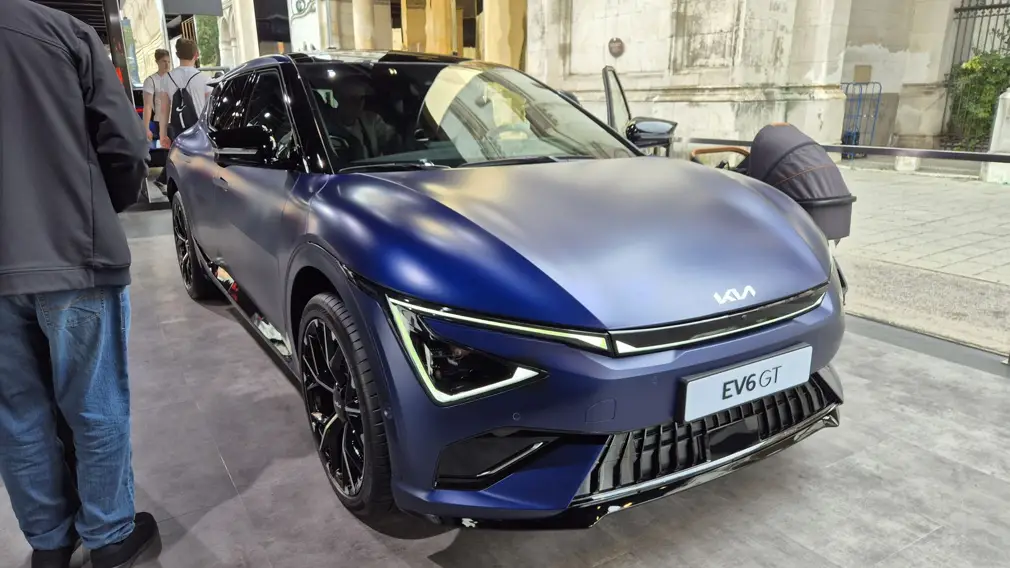
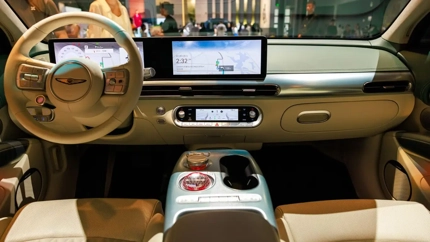
Among electric vehicles, the Tesla Model Y and Model 3 post impressive results. In NHTSA testing, the Model Y earned top five-star ratings across all categories, while its low center of gravity from the battery pack further reduces rollover risk. Similarly, the Hyundai Ioniq 5 and Kia EV6 received high marks for excellent passenger protection and comprehensive collision avoidance systems.
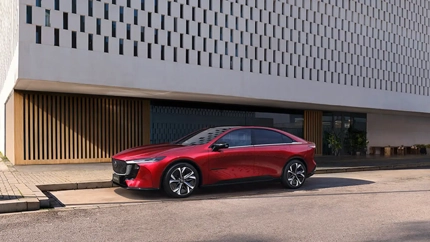
In the mass-market segment, the Toyota Corolla and Mazda CX-5 deserve mention for consistently achieving five-star international ratings. These models combine robust body structures with automatic emergency braking, lane-keeping assist, and blind-spot monitoring—often even in base versions.
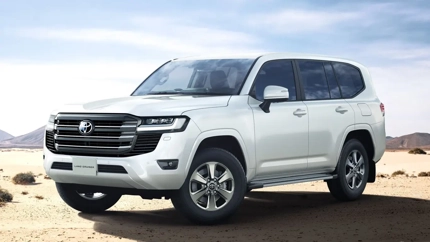
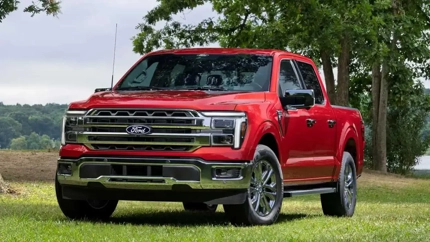
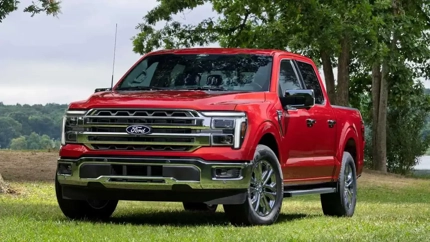
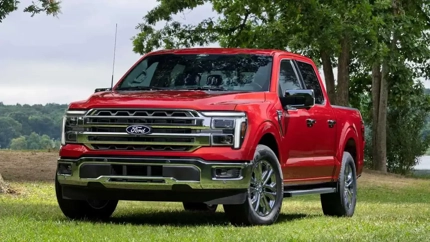
When it comes to heavy SUVs and pickups, larger vehicles like the Ford F-150 and Toyota Land Cruiser offer substantial protection in frontal collisions due to their mass and sturdy frames. However, modern safety ratings now factor in pedestrian safety and accident prevention system effectiveness alongside passenger protection.
It's important to recognize that today's safety extends beyond crash test performance. Active systems play a crucial role: automatic emergency braking, pedestrian and cyclist detection, adaptive lighting, surround-view cameras, and lane-keeping assistants. A vehicle equipped with a full suite of modern technologies can prevent accidents before collisions occur.
Overall, the safest cars of 2026 typically feature maximum five-star ratings from international agencies, strong body construction, and advanced electronic assistants. In the premium segment, that includes Volvo, Mercedes-Benz, and Tesla; in the mass market, Toyota, Hyundai, Mazda, and Kia lead the way.