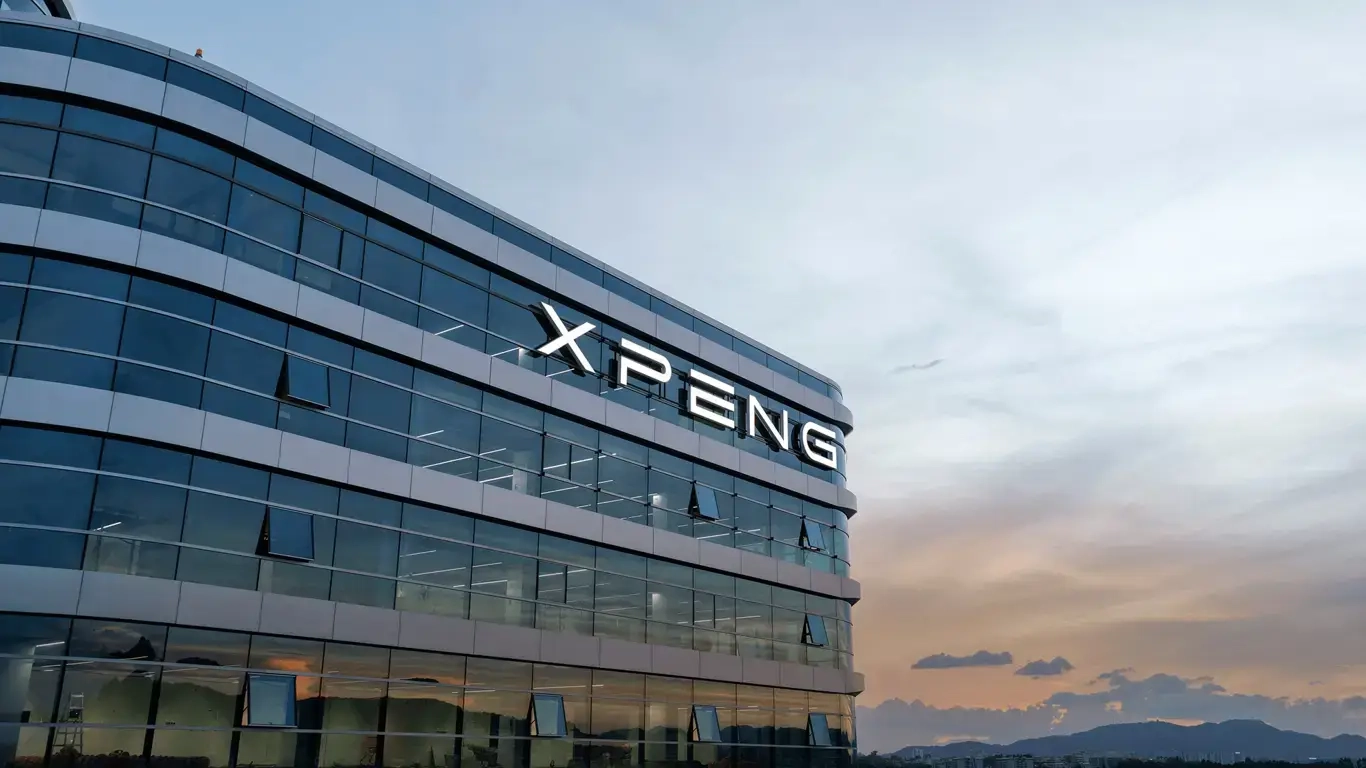

Chinese automaker Xpeng is aggressively expanding its European presence while preparing a significant model lineup expansion. The company plans to grow its range from three to seven models by 2027, putting pressure on traditional players like Volkswagen.
Currently, sales are driven by the G6 and G9 models, which feature 800-volt architecture, high power output, and fast charging capabilities. In the coming years, however, the brand aims to enter new segments—from more affordable SUVs to larger family vehicles like the X9 minivan, focusing on comfort and technology.
One development direction involves possible extended-range versions, which could attract customers not yet ready to fully switch to electric vehicles. For the auto market, this signals that powertrain flexibility is becoming a key competitive advantage.
Xpeng’s strategy goes beyond model expansion to include European production localization. The company is considering assembly at Magna Steyr’s plant in Austria, a move that would cut costs, speed up deliveries, and boost customer confidence.
Against the backdrop of its partnership with Volkswagen—which has invested in Xpeng and uses its technology in China—Xpeng is gradually evolving from a partner into a benchmark for development pace and digital solution implementation.
Xpeng demonstrates how quickly market roles can shift: yesterday’s newcomer is becoming a technology driver for major automotive groups. If the company maintains its momentum and quality, it has every chance to establish itself in Europe as a full-fledged competitor to traditional brands.