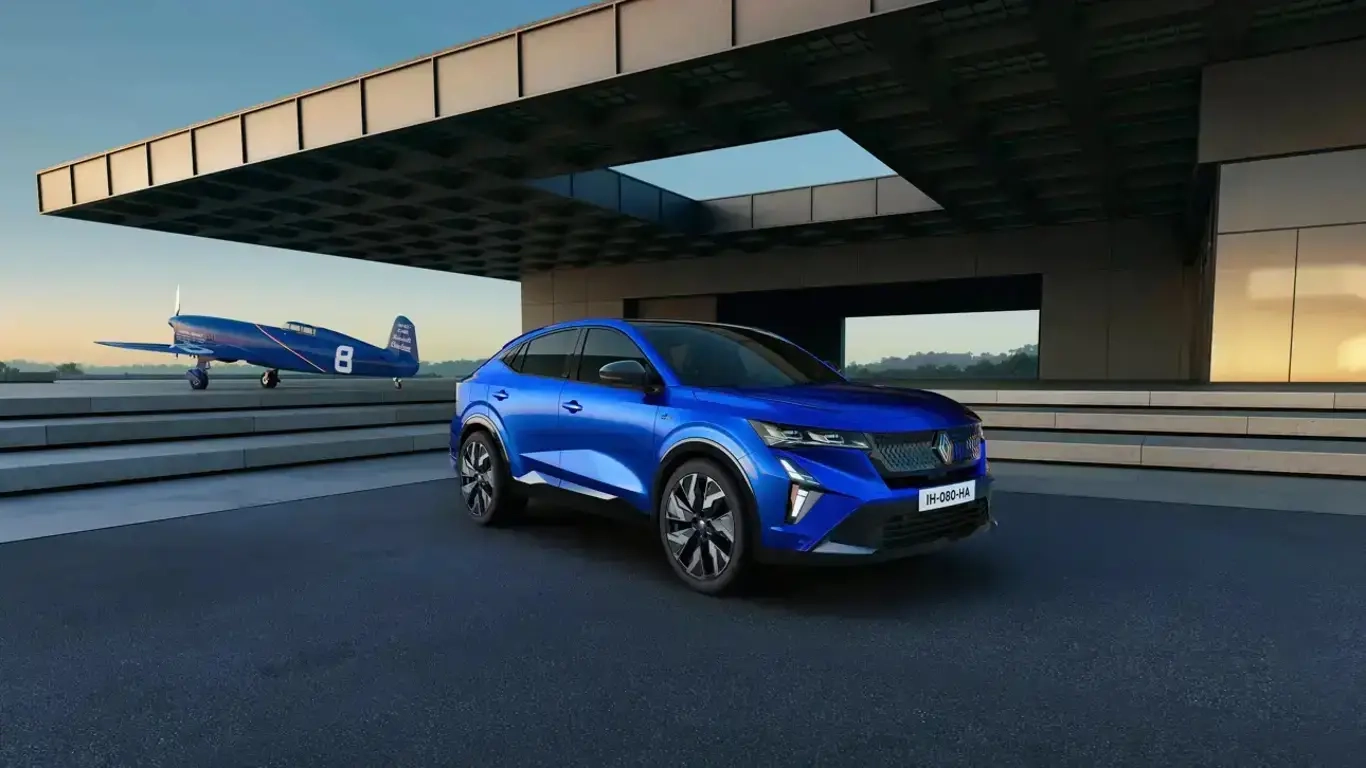

Renault has officially confirmed plans to launch new models at its Palencia plant. As part of its updated strategy, the facility will produce two fully electric vehicles and one hybrid, marking a significant step in the transformation of the brand's European manufacturing.
Which Models Are in the Pipeline
Preliminary reports indicate the upcoming generations of the Scenic and Rafale will be electric, alongside a version with extended range thanks to an additional generator. This move shows Renault is betting on multiple types of electrified powertrains simultaneously.
Meanwhile, the Valladolid plant will continue producing current models like the Captur and Symbioz. These vehicles are set for updates in the coming years but won't receive full electric versions right away.
New Platform and Technologies
All new models will be built on the RGEV Medium 2.0 platform, which is expected to cut electric vehicle production costs by about 40% compared to current solutions. The architecture features an 800-volt system to enable ultra-fast charging.
Battery charging from 10% to 80% is projected to take around 15 minutes, with potential for this to drop to 10 minutes in the future. Additionally, the platform will incorporate CTB construction to improve space efficiency in the body.
Betting on the Future Market
The maximum range for new models is claimed to reach up to 750 km, while extended-range versions could achieve up to 1,400 km. The cars will also feature an SDV architecture, allowing most functions to be updated over-the-air.
Overall, this strategy strengthens Renault's position in the electric vehicle segment and adapts production to new market realities. The company is focusing on gradually phasing out internal combustion engines and transitioning to hybrid and electric solutions in Europe by 2030-2035.