
The Jeep story began in 1940 when the U.S. Army announced a competition for a light all-wheel-drive vehicle. The requirements were strict: compact dimensions, minimal weight, high off-road capability, and the ability to transport soldiers and equipment.
The Willys prototype with its roughly 60-horsepower Go-Devil engine formed the basis for the legendary Willys MB. During World War II, Jeep proved itself as reliable and durable equipment, becoming a symbol of engineering simplicity and practicality.
From workhorse to weekend warrior
After the war, hundreds of thousands of decommissioned military vehicles hit the market. Farmers, hunters, and rural residents snapped them up. Jeep turned out to be versatile: by day it helped with chores, and on weekends it became a vehicle for off-road adventures.
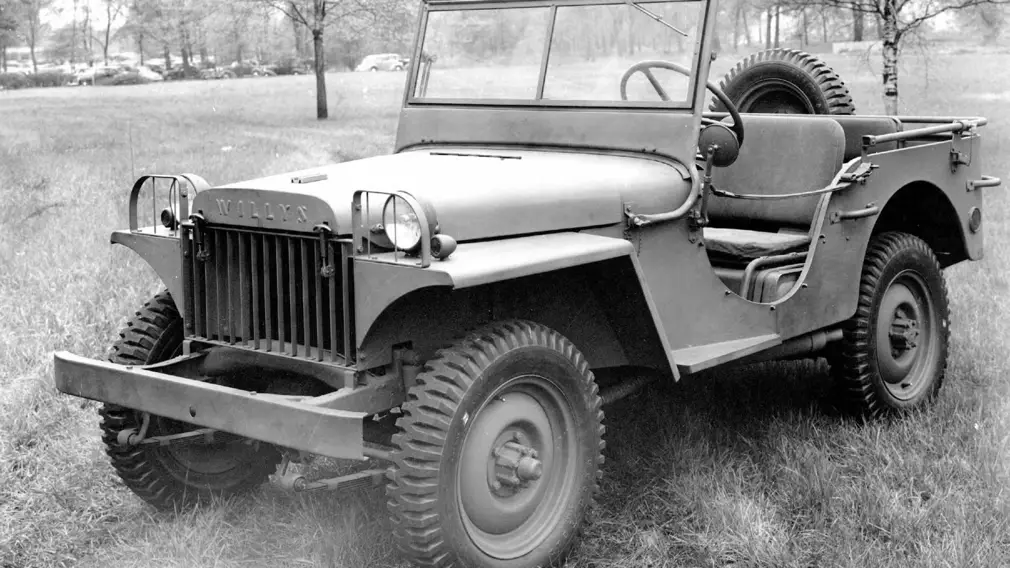
The civilian CJ-2A and CJ-3A versions kept the rugged frame construction and four-wheel drive but gained a more comfortable interior and amenities. This gave birth to a new culture—the SUV as a tool for freedom, not just a work vehicle.
Wagoneer: when the SUV got comfortable
In 1963, Jeep took a major step by introducing the Wagoneer. This was one of the first vehicles to combine off-road capability with the comfort of a family station wagon. A V8 engine, automatic transmission, and a proper interior—all of this changed perceptions of what an SUV could be.
Later, the Grand Wagoneer became a status symbol, offering a leather interior, full-time four-wheel drive, and rich equipment. Jeep managed to show that capability and comfort could coexist.
Modernization without losing character
In the 1980s, the brand adapted to new realities. The Cherokee XJ appeared—one of the first compact SUVs with a unibody construction. It combined off-road prowess with everyday convenience and became an important milestone in the development of the SUV segment.
Jeep successfully transitioned from a niche cult brand to a mainstream one, all while maintaining its image as a vehicle for an active lifestyle. The advertising slogan "There is only one Jeep" emphasized the brand's uniqueness and its emotional appeal.
Electrification without abandoning tradition
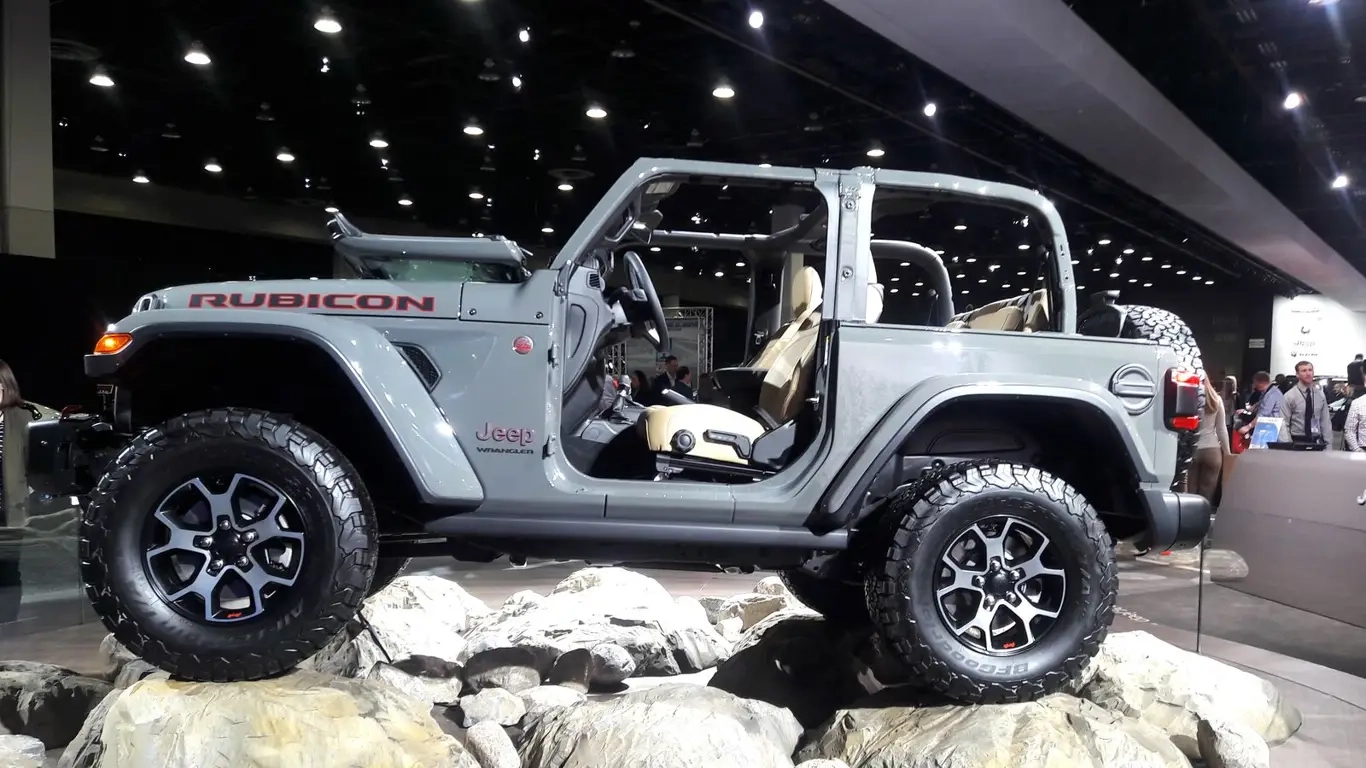
In the 21st century, Jeep entered the era of electrification. The Wrangler 4xe with its 375-horsepower hybrid system and ability to run on electric power proved the brand is ready for new technologies without sacrificing off-road potential.
Modern models like the Grand Cherokee L are aimed at families, offering three rows of seats, advanced driver assistance systems, and a high level of comfort. At the same time, Jeep retains its characteristic design and legendary capability.
Jeep has traveled a path from a utilitarian military machine to a global lifestyle brand. Its success is based on the ability to adapt to new market demands without losing its core values—capability, simplicity, and a sense of freedom. The Jeep story shows how a properly built image can survive decades of technological change and remain relevant in a new era.