
Just 15-20 years ago, electric cars were seen as a technological experiment. Today, EVs are a full-fledged part of the market, with sales growing every year. Yet, it's the first mass-market models of the modern electric era that stand the best chance of becoming collector's items.
Formally, 'classic car' status in Europe is granted after 30 years. However, value for collectors is determined not by age, but by a model's historical significance, rarity, and technological role. Here, early electric vehicles have a serious advantage: they were the starting point of a new era.
Tesla Roadster: The First Loud Signal
The original Tesla Roadster from 2008–2012 is the top candidate for collector EV status. Only about 2,680 units were built. The model was based on the Lotus Elise, but featured a fully electric powertrain.
For its time, the Roadster offered a range of over 300 km—a figure that seemed revolutionary back then. It proved that an electric car could be fast, have long range, and be emotionally engaging. This model marked the beginning of the global transformation for both the Tesla brand and the entire segment.
Nissan Leaf and Renault Zoe: The First Mass-Market EVs
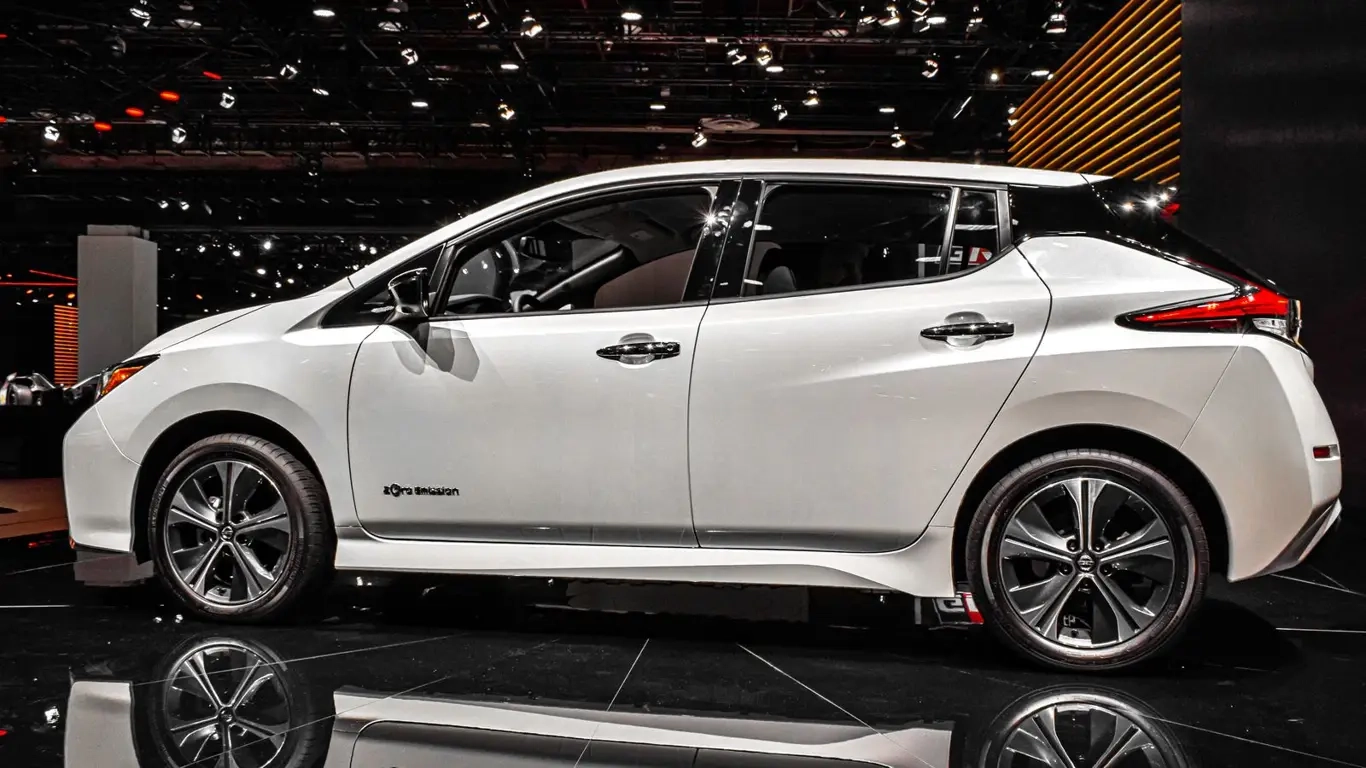
The first-generation Nissan Leaf, which arrived in Europe in 2011, became the first truly mass-market electric hatchback from a major manufacturer. Its 24 kWh battery provided about 175 km on the NEDC cycle—modest by today's standards, but significant for that period.
The Renault Zoe played a similar role in the European market. These models turned the electric car from an exotic novelty into everyday transport. Their high production numbers might seem like an obstacle to collector value today, but their historical importance could shift perceptions over time.
BMW i3: A Technological Experiment
The original BMW i3 was one of the most unconventional electric cars of the decade. A carbon-fiber body, unusual design, rear-hinged 'suicide' doors, and an optional REX version with a gasoline range-extender—all of this made the model feel like a concept car brought to life.
The i3 was expensive, unusual, and ahead of its time. It's precisely such cars that become collector's items decades later, thanks to their bold engineering solutions.
Renault Twizy and Urban Experiments
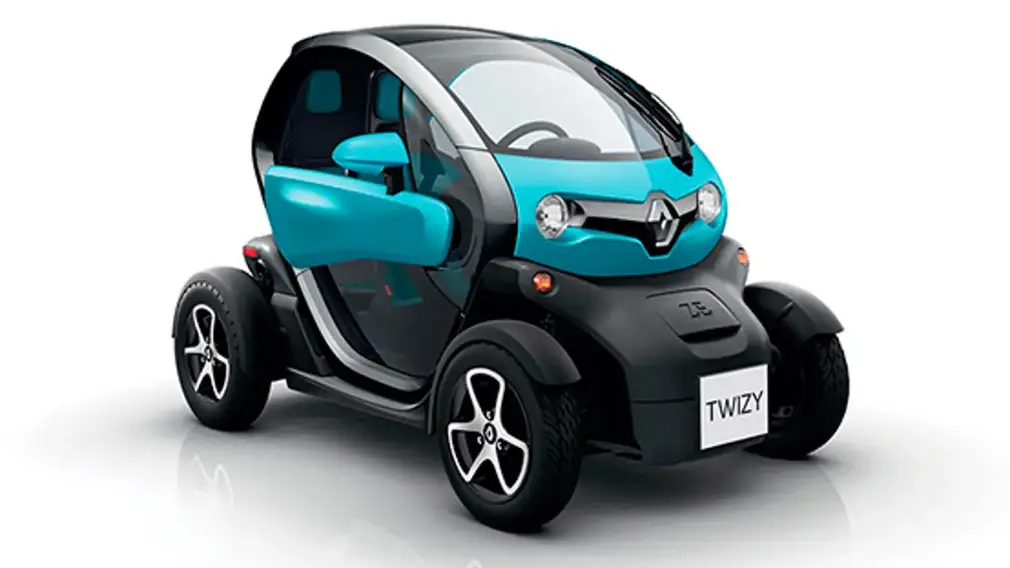
The Renault Twizy is a story of its own. This electric quadricycle featured minimalist equipment, lacked conventional safety systems, and had an unusual seating position. The project was commercially questionable but extremely original.
This same category includes the Mitsubishi i-MiEV, Peugeot iOn, and Citroën C-Zero. These models were sold in limited numbers and essentially served as experiments that paved the way for modern electric cars.
Why These Models Could Appreciate in Value
Collector value is shaped by a combination of rarity, technological uniqueness, and historical role. Early electric vehicles became symbols of the transition from internal combustion engines to electric propulsion.
In 20–30 years, when electric vehicles have fully displaced traditional powertrains, the first series-production EVs will be seen as the beginning of a new era—much like how the first mass-market cars of the early 20th century are valued today.
For now, the pioneers of the electric revolution remain simply used cars. But they laid the foundation for a market that is now developing rapidly. The Tesla Roadster, Nissan Leaf, BMW i3, Renault Zoe, and other early models could well become the classic cars of the future—not because of their power or luxury, but thanks to their historical role in transforming the automotive industry.