
However, when comparing Consumer Reports' data with safety ratings from other organizations that compile similar lists, you might notice that some models highly rated elsewhere don't make CR's top picks. This happens because Consumer Reports has very specific criteria a vehicle must meet to earn a spot on their list.
For instance, you won't find any full-size SUVs or pickup trucks among CR's safest vehicles. While individual models might be safe for their class, Jake Fisher, CR's senior director of auto testing, explains that these larger vehicles typically have longer braking distances and are less nimble than compact cars. That makes them more prone to accidents—especially ones a smaller car could avoid. It doesn't stop CR from giving full-size SUVs and pickups high safety marks, but they simply can't reach the very top tier.
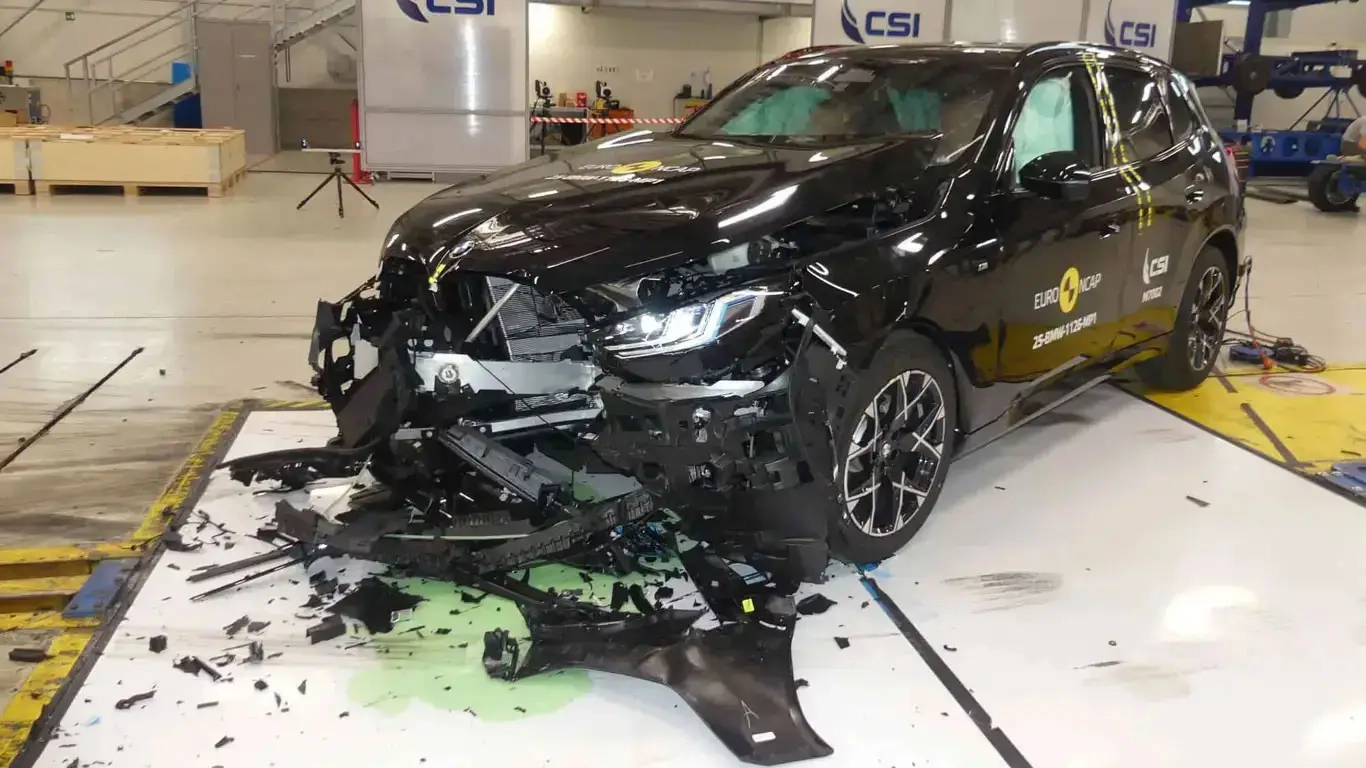
Consumer Reports also places much greater weight on crash tests conducted by the Insurance Institute for Highway Safety (IIHS) than those from the National Highway Traffic Safety Administration (NHTSA). The publication believes IIHS tests better reflect real-world crashes, since the institute runs six main crash tests compared to NHTSA's four. As a result, a car with a perfect NHTSA crash-test rating might score lower with IIHS.
Some brands earn high praise from Consumer Reports overall. Subaru is one example: CR named it the best brand on the market and gave its vehicles good safety scores, yet didn't include them among the highest-rated models for safety. This isn't because Subaru cars aren't worthy, but CR pays special attention to standardization of safety features. Subaru has excellent advanced safety systems like EyeSight, but they aren't available across all trim levels of the brand's vehicles.
To reach the top level, CR requires such features—like rearview cameras or pedestrian detection—to be standard on every trim of a model.
Safety features aren't the only thing Consumer Reports considers. Comfort features, such as climate control, also impact safety. If these are easy for the driver to use, CR views them as safer. The publication notes that Volvo is a brand that scores low on feature usability: even if the cars themselves are physically very safe, drivers can get distracted trying to figure out the controls for these "comforts" while driving, creating hazardous conditions.
Mercedes-Benz and Volkswagen are other brands where, according to CR, infotainment and climate-control systems are overly complex. Of the 10 safest cars highlighted by the publication, three are made by Mazda. Clearly, this brand has struck the right balance between usability, standardization of safety features, and crash-test results—satisfying Consumer Reports' experts in the process.