
1. Belt-Driven EcoBoost Engines (1.0L, 1.5L, 1.6L)
These engines feature an innovative timing belt system that runs immersed in oil. While the idea was original, real-world use has revealed significant drawbacks. The belt wears faster due to constant fluid exposure, shortening its lifespan. Wear debris can clog oil filters and lubrication channels, compromising engine lubrication. Replacing the belt requires extensive disassembly, driving up repair costs. As a result, owners face higher risks of sudden failures and steep maintenance bills.
2. 5.4-Liter Triton V8 Gasoline Engine
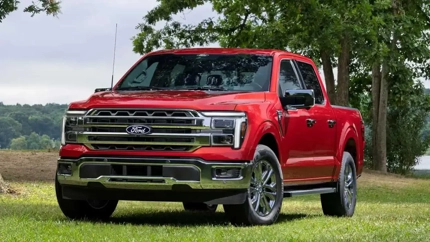
This powerful naturally aspirated V8 was widely used in Ford pickups and SUVs, but it came with notable design flaws. Valve-to-piston interference could damage cylinder heads and pistons. Frequent misfires stemmed from unstable fuel delivery and incorrect timing. Spark plug failures were common, increasing maintenance needs and hurting reliability. Overall, the engine’s low durability and constant attention required make it a less appealing choice.
3. 3.5-Liter EcoBoost V6 Turbocharged Gasoline Engine
Common in premium models, this six-cylinder offers good power and efficiency but has characteristic issues. Phaser failures in the variable valve timing system cause knocking and vibrations at startup and while driving. Timing misalignment disrupts normal operation, leading to power loss and higher fuel consumption. Some vehicles require specific startup procedures to avoid mechanical damage. These factors hurt driving comfort and raise the risk of unexpected breakdowns.
4. 6.0-Liter Power Stroke Diesel Engine
This heavy-duty diesel, mainly used in Ford trucks and vans, delivered solid power and torque but had critical weaknesses. The EGR cooler often overheated and failed, risking engine overheating and efficiency loss. Head gasket failures, due to high thermal loads and combustion pressure, allowed coolant and oil to mix. Oil leaks from seals and connections increased fire hazards and accelerated wear. Electrical faults from unreliable sensors and contacts disrupted engine management. Despite a good base design, these problems make operation costly and problematic.
5. 6.4-Liter Power Stroke Diesel Engine
A later version of the popular commercial diesel, it improved on its predecessor but inherited and added new typical issues. Cooling system radiators tend to leak under intense use and harsh conditions, leading to overheating and reduced engine life. High loads and temperature swings can crack pistons, drastically cutting reliability. Recurring EGR cooler blockages increase downtime and raise maintenance and repair costs. For commercial vehicle owners, these factors make the engine economically unviable and inconvenient.