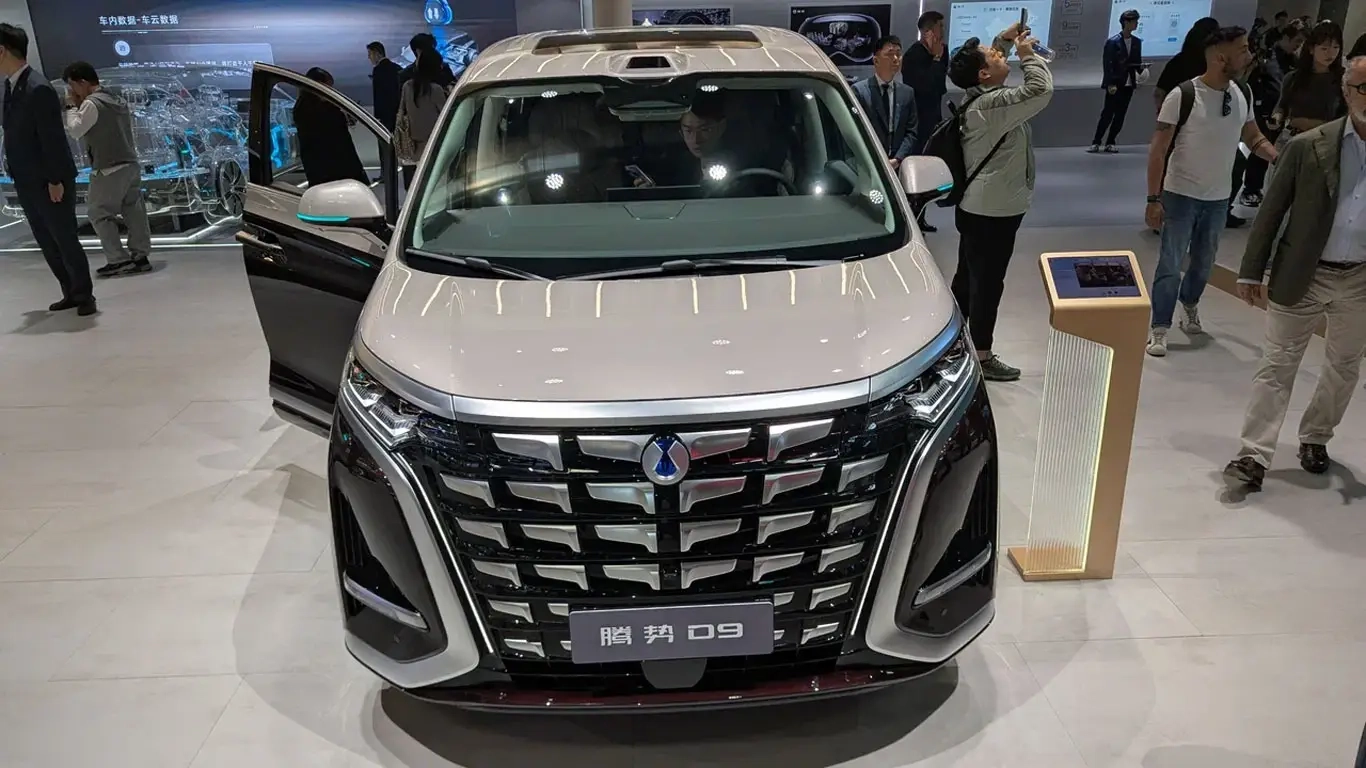

The updated Denza D9 minivan comes with fairly restrained exterior changes. The hybrid DM-i version now features new chrome accents shaped like flags on the grille, while the signature lighting and bumper design remain unchanged. Interestingly, the electric variant has adopted the same styling in the brand's marketing materials, whereas it previously had its own front-end design with vertical slats. It appears the manufacturer is aiming for visual unification across its lineup.
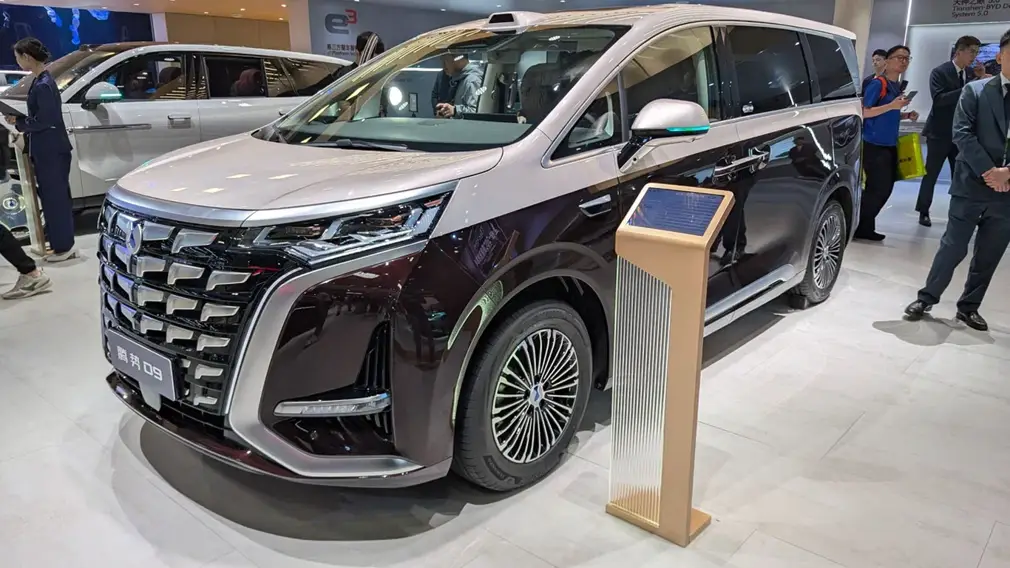
The minivan's dimensions remain unchanged: it's 5,250 mm long, 1,960 mm wide, 1,900 mm tall, with a wheelbase of 3,110 mm. A two-tone paint option still available for customers.
The cabin sees much more significant updates. The D9 gains a new digital instrument cluster consisting of three screens, while the dashboard architecture becomes more angular and minimalist, replacing the previous smooth lines with straight edges. The steering wheel, air vents, center console, and trim materials have all been refreshed. Top-tier versions use leather and real wood.
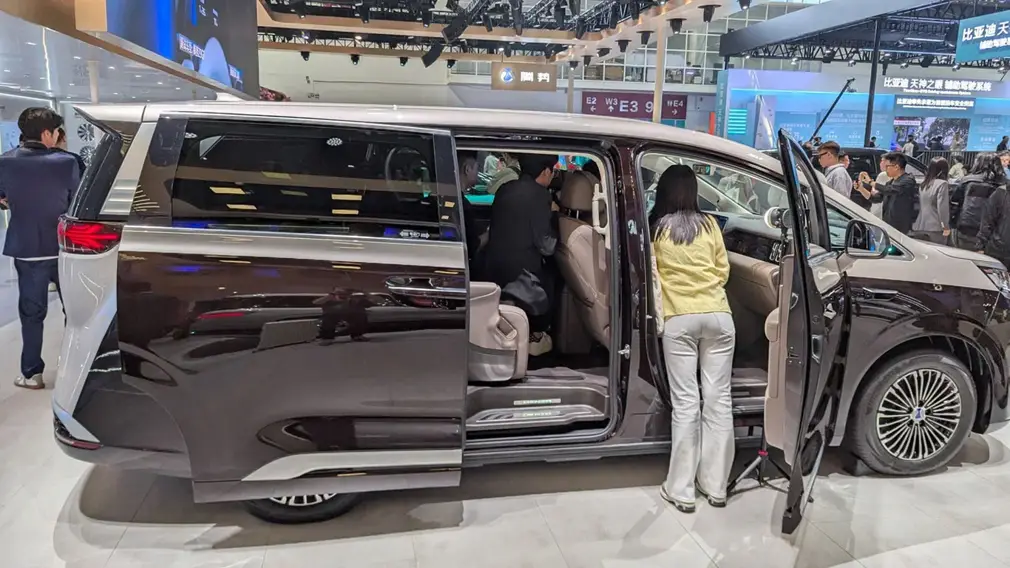
The signature three-row layout with captain's chairs in the second row is retained. Passengers have access to premium features like controls integrated into the armrests, individual tables, multimedia screens on the backs of the front seats, and an additional display on the ceiling. The equipment list also includes power sliding doors and a large panoramic roof for rear occupants.
The technical side has been upgraded as well. Both the hybrid and electric versions now use the new LMFP Blade 2.0 battery, which supports ultra-fast charging: replenishing from 10% to 70% takes just five minutes, and from 10% to 97% takes nine minutes. Even at -20°C, the battery charges from 20% to 97% in 12 minutes.
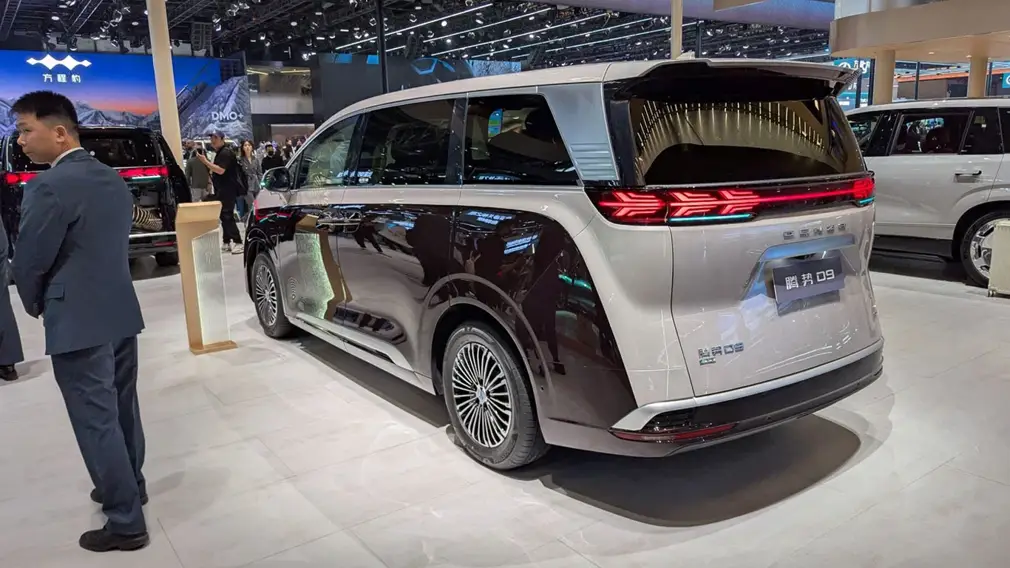
The hybrid version is built around a 1.5-liter gasoline generator (156 hp) with two electric motors producing 270 hp and 61 hp. The battery capacity stands at 66.5 kWh. All-electric range reaches up to 400 km (CLTC), with an average fuel consumption of 6.35 L per 100 km. The electric variants are available with one motor (462 hp) or two motors (462 hp and 95 hp) and a 115 kWh battery, providing a range of 750 to 800 km (CLTC) on a single charge.