
Cars will soon start monitoring drivers—and it's not just theoretical. A law passed in the US requires automakers to integrate driver monitoring systems by 2027. For drivers, this matters because it's not only about safety, but also about control over behavior behind the wheel.
The core idea is to detect drunk or incapacitated drivers. The problem, however, is that the technology isn't ready yet. According to NHTSA, there are currently no production-ready systems that can accurately measure blood alcohol without an active test. Even systems with 99.9% accuracy would generate millions of false positives per year, meaning sober drivers might not be able to start their car.
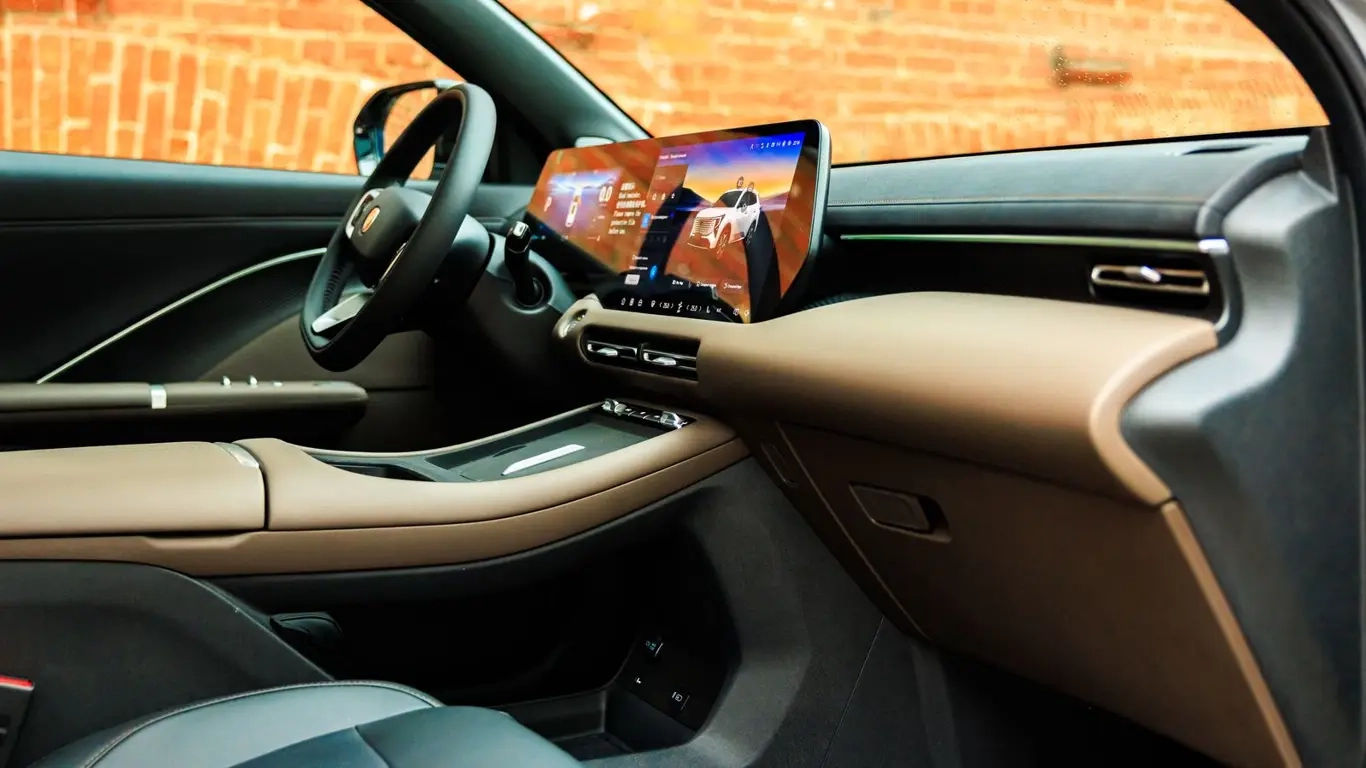
In theory, automakers will use cameras and sensors to track eye movement, behavior, and reaction time. But what matters here is that such systems already raise privacy concerns. In practice, the car could record almost everything: where you look, how you drive, and how you respond. And the data doesn't always fully belong to the vehicle owner.
For the industry, this marks a new phase—a shift from driver assistance to control systems. Manufacturers generally support the idea, but admit the technology is immature and that buyers might resist this level of surveillance. For drivers, this means safety will improve, but there's a growing risk of system errors and loss of control over personal data.
Driver monitoring is inevitable—the only question is how accurately and fairly it will work when actually implemented.