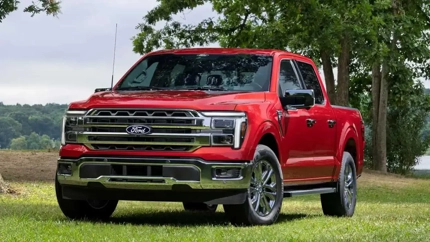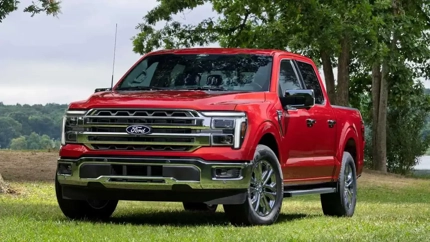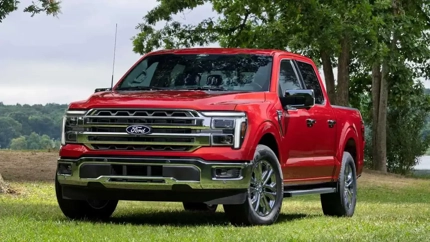

Mitsubishi sits at the opposite extreme of U.S. recall statistics. Ford set an industry record in 2025 with 153 recall campaigns, while Mitsubishi has accumulated just 150 campaigns in its entire history of selling independently in the United States since 1987.
The contrast becomes even starker when looking at recent years. Mitsubishi issued no recalls at all in 2024. Since the start of 2022, it has had only eight, and since January 2020, a total of 16. The most recent actions involved tailgate gas struts and rearview camera glitches. The last powertrain-related recall dates to August 2022: it addressed a software bug that could cause the engine to stall.
Over nearly four decades, Mitsubishi's recalls have covered roughly 7.56 million vehicles. The heaviest year was 2000, when just over a million cars were recalled—though that figure was inflated by a single campaign covering 567,432 vehicles due to defective lower ball joint boots.
By comparison, over the same period, Ford has run 1,285 recall campaigns affecting 186.8 million vehicles. General Motors recorded 1,238 campaigns and 153.5 million vehicles, while Stellantis, including Chrysler and FCA, had 1,046 campaigns covering 131.9 million vehicles.
Admittedly, Ford sells roughly 22 times as many vehicles in the U.S. as Mitsubishi. But sales volume accounts for the number of vehicles involved, not how often recalls happen. The difference is striking: one brand barely appears in the NHTSA database for years at a time, while the other couldn't get through a single week in 2025 without a new recall.
This doesn't make every Mitsubishi automatically more reliable than every Ford. But it does illustrate an important point: a simple lineup, smaller volumes, and more conservative engineering choices can deliver something owners appreciate—less need to visit the NHTSA website and more time for the weather forecast.