
Hyundai Europe head Xavier Martinet said the real-world growth of the electric-vehicle market is lagging behind expectations. He noted that forecasts for EV share by 2025 have not materialized: instead of the anticipated 31%, the EU market has reached only 16%. The shortfall reflects a cautious consumer mood shaped by high energy prices, economic uncertainty and geopolitical tensions.
Martinet stressed that buyers are reluctant to commit to expensive models, while manufacturers need stable subsidies and clear, consistent rules. Hyundai will stick with a mixed lineup—from internal combustion to fully electric models. The brand’s EV share in Europe stands at 19%, slightly above the market average. In today’s climate, that broad powertrain spread looks like a pragmatic way to meet uneven demand.
The company points to rising costs: even though third-quarter sales increased, operating profit fell by 30%, in part due to U.S. tariffs. Germany remains a key market for Hyundai, yet preferences across Europe vary markedly—from compact cars in southern regions to more powerful models in Germany. This contrast underscores how fragmented the continent’s tastes and budgets remain.
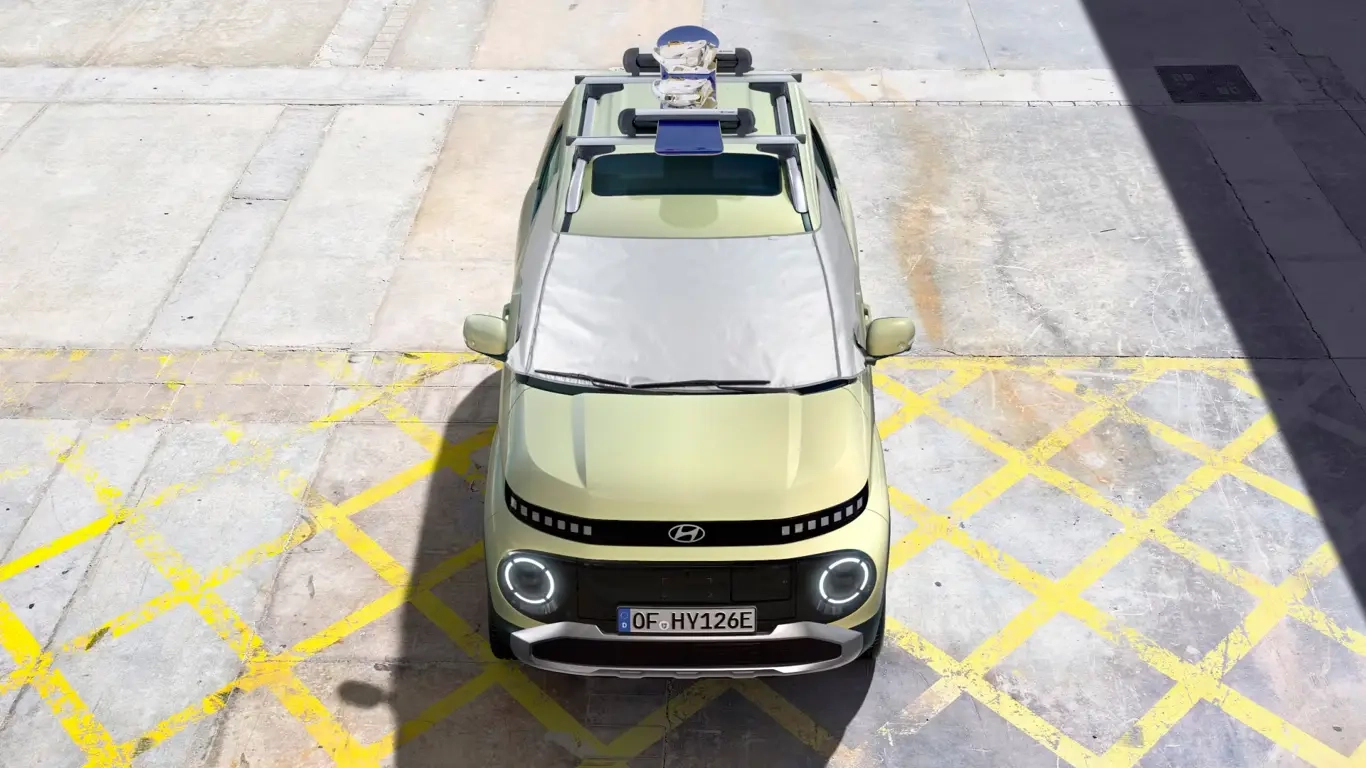
The brand is doubling down on design, quality and the development of Genesis. It has also decided to end production of the Hyundai i10, arguing that such cars will only make sense as electric in the future. Its role will pass to the Inster—an important signal for those choosing a city-focused car, and a way for the brand to keep its position in that urban segment.