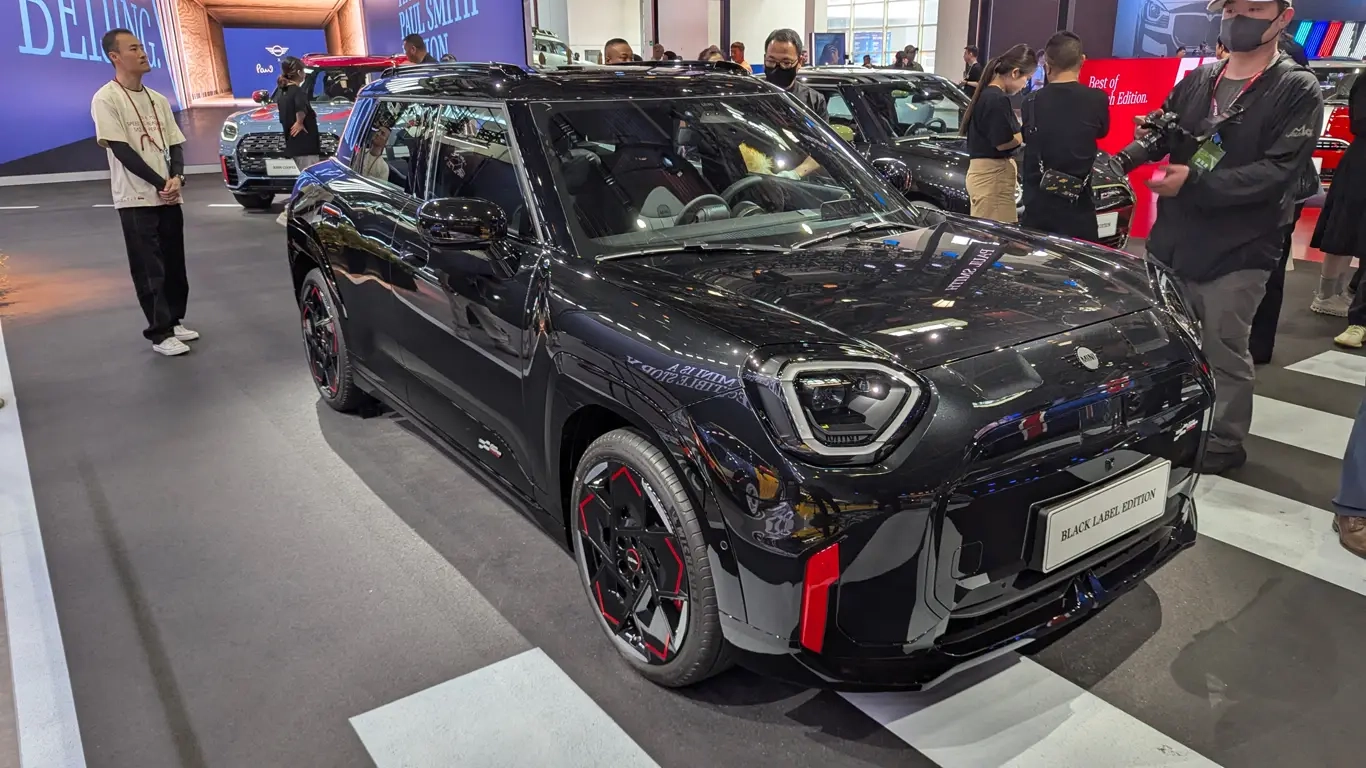

Mini may have the broadest lineup in its history, but the brand isn’t planning to add yet another standalone model. Instead, the focus is shifting toward variants, options, and personalization—especially within the John Cooper Works family, which posted record sales last year.
The news came from Mini’s new chief, Jean-Philippe Paren, at the Beijing auto show. He joined the British marque late last year after a run of leadership roles within BMW Group and is now cementing a clear strategy: five models are enough. That roster already includes the electric Cooper, updated three- and five-door petrol Coopers, the Countryman crossover, and the new electric Aceman.
For a relatively small brand, Paren argues, this is already an unusually wide offering. So the next logical step isn’t another body style, but a richer array of derivatives. The most obvious avenue is John Cooper Works.
Paren said Mini is aggressively pushing the JCW sub-brand, emphasizing the company’s faith in combustion-engined cars and pointing to a historic sales peak for the line last year. In practice, this means hot Mini models with petrol engines aren’t about to retreat into the shadow of EVs. On the contrary, JCW could become the way to safeguard the brand’s core character: a compact footprint, a firmer chassis, a more distinctive sound, and the sensation of a small car bought for more than just practicality.
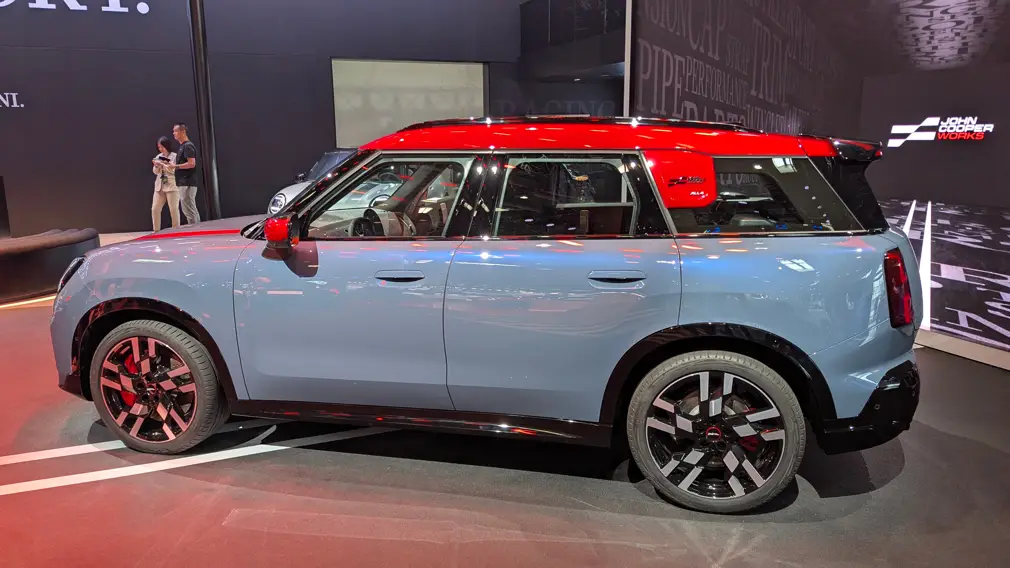
Mini is also rethinking how it approaches equipment grades. During the recent range refresh, the company attempted to streamline choices, only to discover that customers weren’t fully on board. Paren acknowledged that the brand had ideas about simplification but realized it wasn’t quite what buyers wanted. Now the configurator is opening up individual options again, giving shoppers more freedom to tailor a car exactly to their tastes.
That logic fits Mini perfectly. For a mass-market brand, dozens of colors, trim pieces, and packages can look like a production headache. But for Mini, personalization has long been baked into the price. As Paren plainly puts it, customization brings both profit and the core brand idea: making every Mini unique.
The brand will also keep pursuing special editions and collaborations. Several such projects have already appeared recently, and now the team is hunting for fresh ideas. The promise is to handle the British heritage with a light touch—enough recognizable character to matter, but without descending into caricature-like retro play.
Mini isn’t adding more models, but it is adding more reasons to open the configurator. For a small brand, that may well be more profitable than launching another crossover just to fill a checkbox.