
ACSI analysts report that while big corporations are posting larger profits, customer satisfaction is slipping. Expert Claes Fornell points to a widening gap between what sellers gain and the value buyers receive, a divide that is becoming more apparent in the U.S. car market.
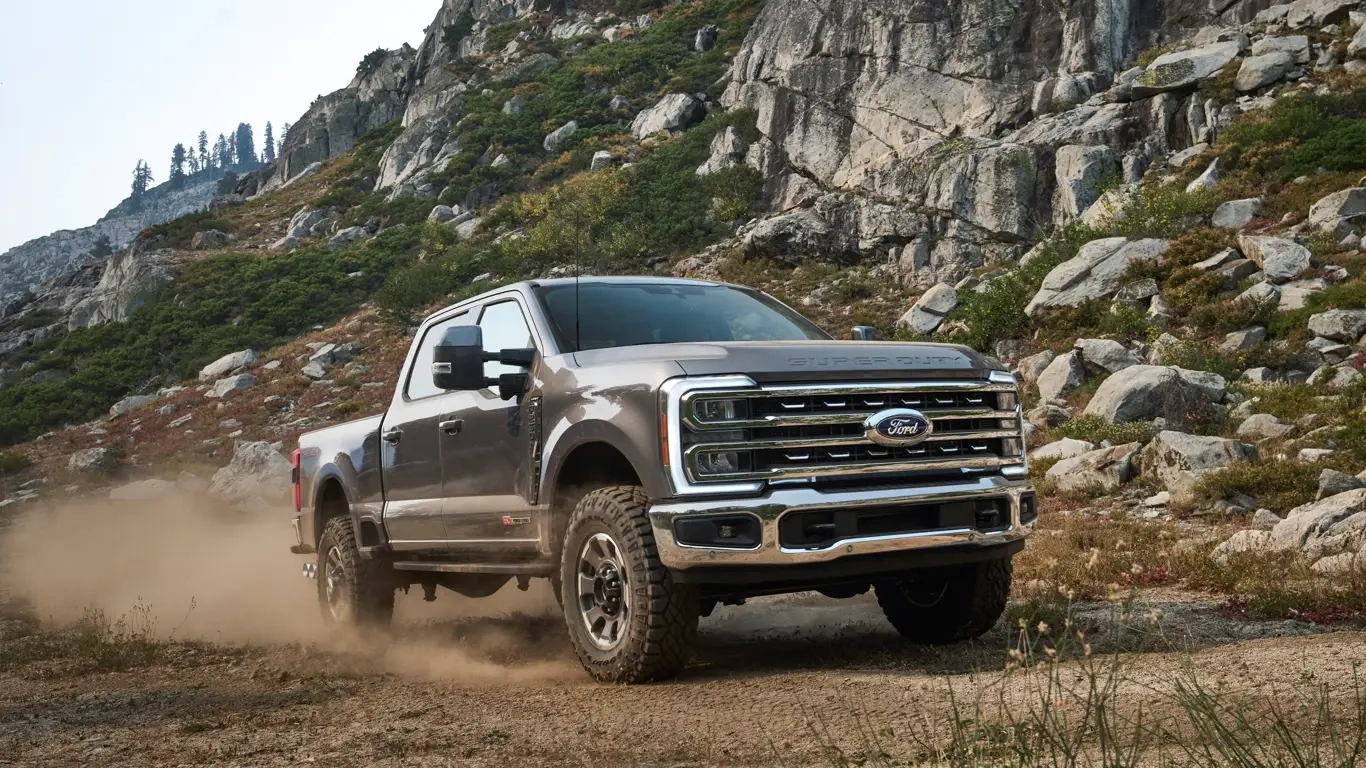
The report notes that companies such as Ford and GM continue to make money, yet they have pared back lineups in the more affordable segments. As a result, offerings have clustered around larger crossovers and pickups, while compact sedans are losing ground. For shoppers weighing which car to buy, that translates into fewer budget-friendly choices. The trend feels less like changing tastes and more like the market narrowing around higher-margin vehicles.
Edmunds data shows that in the third quarter of 2025, nearly 20% of buyers took out loans with monthly payments exceeding $1,000. At the same time, 22% signed up for loans lasting 84 months or more. Measured against a median income of $84,000, such commitments can be a serious strain.
Still, the oft-repeated claim that interest in passenger cars is fading doesn’t fully square with the sales sheets: Toyota, Honda, Hyundai, and Kia continue to move plenty of Corollas, Camrys, Civics, Elantras, and other models. Many of these undercut crossovers on price. According to Kelley Blue Book, the average compact sedan comes in at about $27,000, compared with more than $36,000 for a compact SUV. For value-focused buyers, that difference remains hard to ignore.
Experts caution that if prices keep rising and choices keep shrinking, the market’s current setup may not hold. The patience of mainstream buyers has limits, and the industry’s tilt toward larger, pricier vehicles could test them.