
Europe has invested nearly €200 billion (about $235 billion) in its own electric vehicle ecosystem. According to New Automotive, this isn’t just about building cars—it’s an attempt to create a complete supply chain from batteries to charging stations.
The largest share goes to batteries. Around €60 billion has been funneled into the battery supply chain, a direct response to dependence on China. The International Energy Agency reports that in 2025, Chinese factories produced over 80% of all batteries, including those for non-EV applications.
Europe hasn’t caught up yet, but it has a foundation. New Automotive notes that local factories now produce batteries for roughly one out of every three EVs sold in the region. If all announced capacity comes online, it could meet future demand.
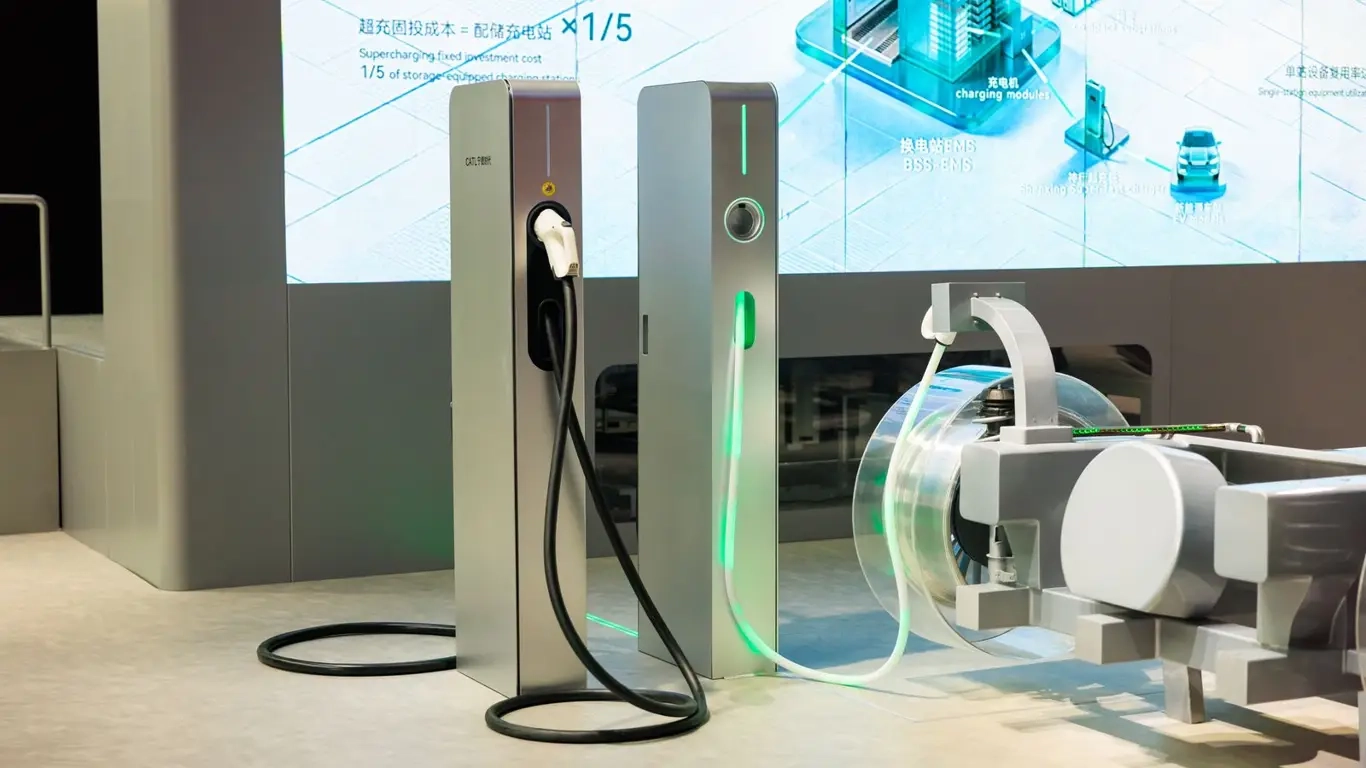
Another €60 billion has been spent on EV production, split between retrofitting old assembly lines and building new plants dedicated solely to electric cars. Charging infrastructure is a separate big-ticket item: between €23 billion and €46 billion has gone into public charging, and Europe now has over 1 million public charging points. An additional €3.5 billion has been invested in manufacturing the infrastructure itself.
These projects already support more than 150,000 jobs, and if all announced plans materialize, that number could rise by another 300,000. But the money is unevenly spread. Germany accounts for nearly a quarter of all investments and remains the continent’s EV transformation hub, home to major automakers, suppliers, and battery projects.
Against this backdrop, the debate over banning new combustion-engine cars from 2035 is intensifying. Germany, Italy, and several Central and Eastern European countries oppose the hardline measure, even though more than half of tracked investments are concentrated right in those regions. The situation is odd: factories are being built, money is committed, and jobs depend on EVs, yet political confidence in the future rules is wavering.
For buyers, this isn’t about an immediate price drop—it’s a long bet. The more batteries, factories, and chargers Europe builds, the less it relies on imports and the better the chance of more affordable electric cars. But China got a head start and on a larger scale, so Europe is racing to catch up at full speed.