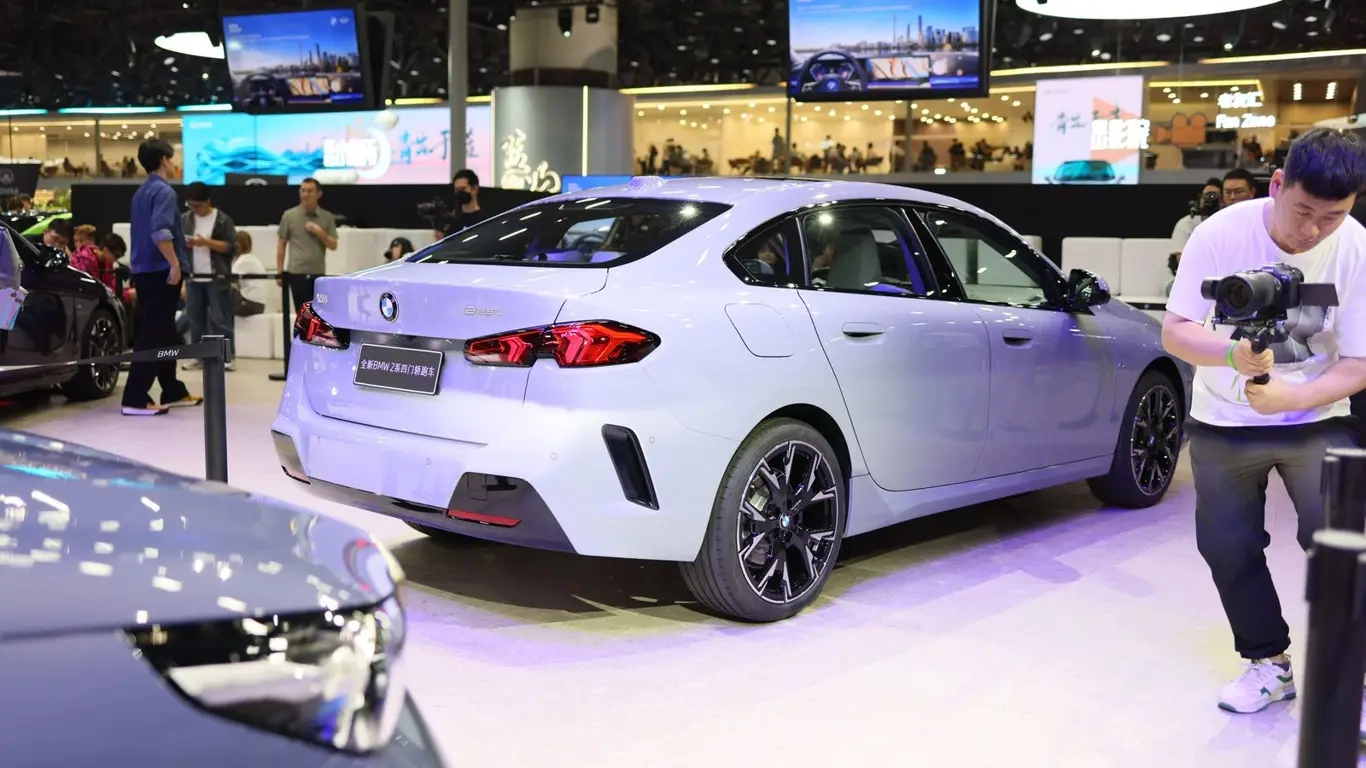

The contrast between American and European cars is obvious at a glance: in the United States, rear turn signals shine red, while in Europe they glow amber. The difference comes from regulations, not buyer preferences. Europe requires amber indicators under ECE R48, whereas U.S. FMVSS 108 only permits them, auto expert Dmitry Novikov noted in an interview with Tarantas News. What looks like a minor styling cue quickly turns into a cascade of design, testing, and supply decisions, forcing carmakers to maintain two lighting setups, duplicate certifications, and separate production lines.
Technical details deepen the divide. European lamp assemblies are tuned for a brighter amber output; if those same lenses are used to emit a red signal, it does not meet U.S. photometric requirements. A universal module would need more LEDs and revised optics, which pushes costs up. The rear fog light complicates matters further: it is mandatory in the EU but not required in the U.S., so many brands have to rework the housing design. It’s easy to see why a one-size-fits-all lamp isn’t the default choice.
Reliability weighs in, too. Multichannel LED boards capable of switching colors run hotter, and, according to BMW’s internal data, their failure rate is nearly double. That is a serious drawback for markets with long warranty commitments and goes a long way toward explaining the industry’s caution.
On some models, manufacturers skip the hardware for a rear fog light or extra optics entirely, leaving only software differences between versions. Looking ahead, a unified design remains plausible: with the same LEDs, brightness can be managed via software, and unused functions simply locked out. The logic is clear—simplify the hardware, manage the variety in code—yet today’s regulatory patchwork keeps the split alive.