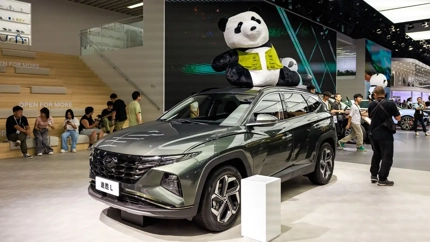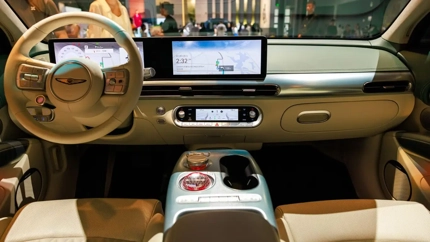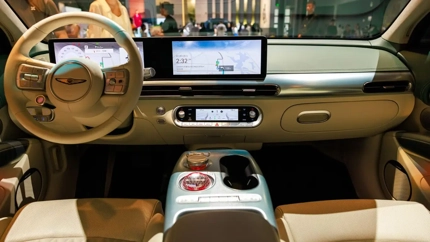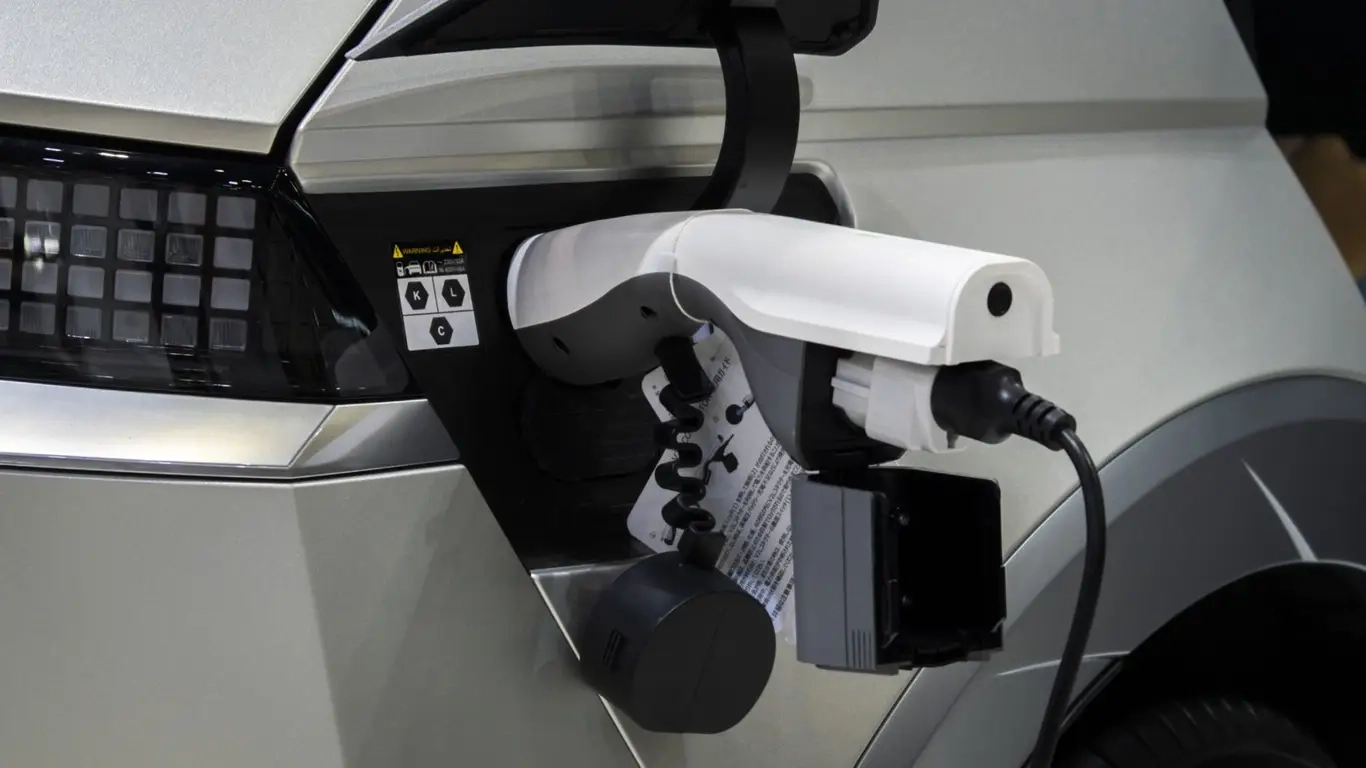

Hyundai and Kia now have access to Tesla’s Supercharger network, and new models are leaving the factory with the NACS port onboard. Yet owners of the Ioniq 5, Ioniq 6, Ioniq 9, EV6, and EV9 should think twice before plugging into a Tesla station. The reason is simple: Superchargers operate at 500 volts, while Hyundai and Kia EVs run on 800 volts. When the voltages don’t align, a booster steps in—and charging speeds drop sharply.
In real-world tests, the EV6 pulls only 90–120 kW on a Supercharger instead of its usual 220–260 kW. The Ioniq 5 and EV9 hover around 126 kW, whereas on a proper 350 kW unit they can reach 80% almost twice as fast. For example, the Ioniq 5 goes from 10% to 80% in 20 minutes on its native high-power infrastructure, but needs about 30 minutes on a Supercharger. The three-row Ioniq 9 stretches from 24 minutes to as much as 40. On paper the convenience looks tempting; at the plug the mismatch feels like a bottleneck you can avoid.
The smarter pick is Electrify America, EVgo, Ionna, or any other 800-volt site, where E-GMP cars can show what they’re built for. Tesla is gradually rolling out V4 Superchargers that will play better with 800-volt systems, but for now they’re few and far between.
If the goal is the quickest possible top-up—whether on a road trip or between back-to-back meetings—Superchargers aren’t the ideal choice for Hyundai and Kia.