
Five automakers keep pushing vehicle safety forward with engineering advances and smart driver-assistance. Here’s how each brand approaches the task and the models that showcase it.
1. Volvo
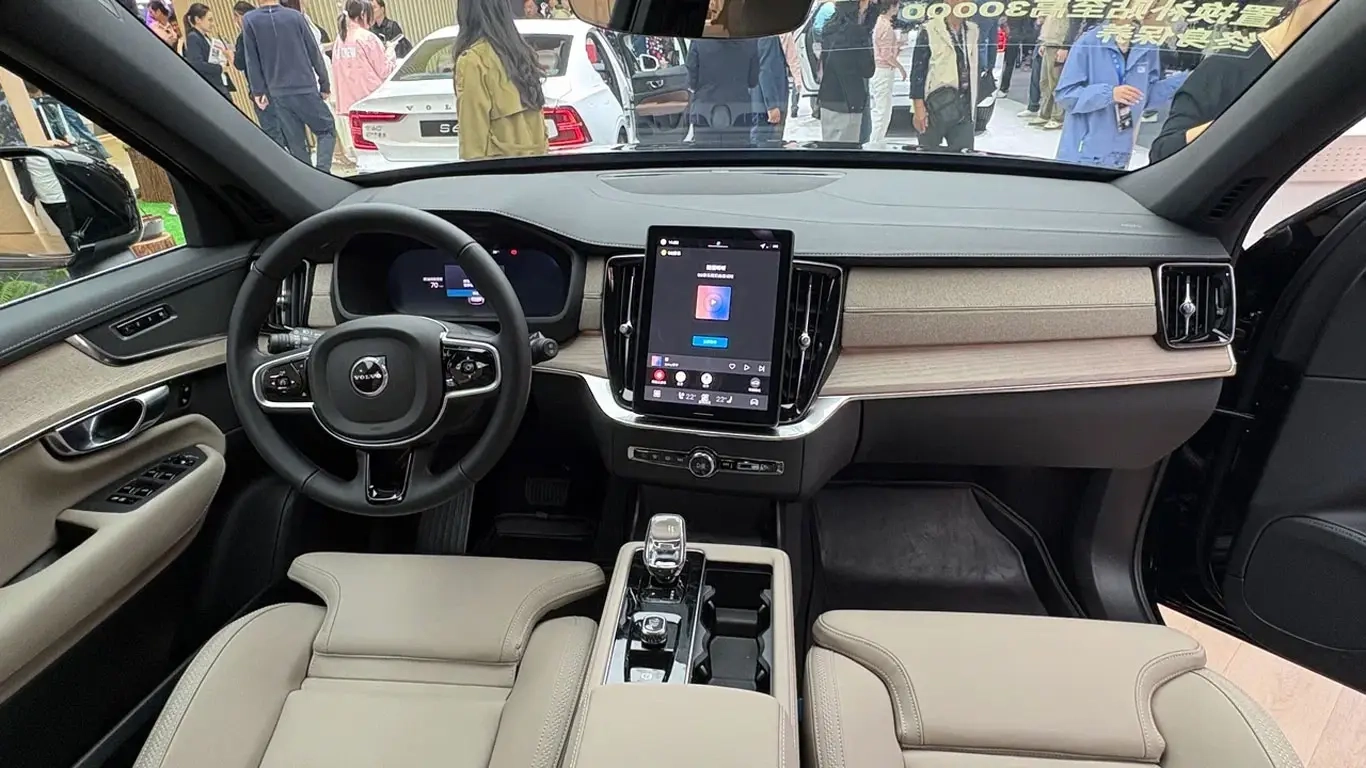
A historic leader in the field, Volvo has long been known for safety innovation. The Swedish company pioneered the three-point seatbelt, airbags, and many other key passive-safety elements, shaping the way competitors approached the topic.
Active-safety systems: Volvo actively deploys modern technologies such as automatic emergency braking, blind-spot monitoring, adaptive cruise control, and driver monitoring.
Autopilot and autonomous functions: The brand keeps refining its advanced Pilot Assist system, aimed at reducing crashes on the road.
Among the company’s standouts are the XC family of crossovers and SUVs—the flagship XC90, the compact XC60, and the EX30 electric SUV. These models regularly take leading spots in safety ratings, keeping protection front and center without compromising day-to-day ease of use.
2. Subaru
The Japanese manufacturer traditionally focuses on sharpened handling and system efficiency through a unique technological platform. A signature trait is the Symmetrical AWD system, which improves control even in challenging road conditions.
EyeSight: Subaru’s stereo-camera-based driver-assistance suite provides a broad set of functions, including lane centering, lane-departure warning, and adaptive cruise control.
Models worth attention include the all-wheel-drive Outback and Forester wagons, as well as the spacious, family-oriented Ascent. Many of them have received the prestigious IIHS Top Safety Pick+ award for high overall safety, a combination that inspires confidence behind the wheel.
3. Toyota
Another Japanese brand known for reliability and build quality. In recent years, Toyota has significantly raised its safety standards thanks to the modern TNGA (Toyota New Global Architecture) platform. It enables body structures that are both light and exceptionally rigid.
Toyota Safety Sense: this integrated active-safety system includes a set of technologies aimed at preventing crashes, such as intersection monitoring, alerts for pedestrians and cyclists, lane-change assistance, and active distance keeping to the vehicle ahead.
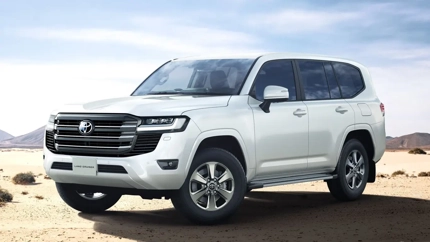
Among Toyota’s most popular and time-tested models with strong safety scores are the Camry sedan and hybrid versions of the Prius, as well as the RAV4 crossover and the new fully electric bZ4X. It’s a pragmatic, methodical approach that consistently delivers results.
4. Ford
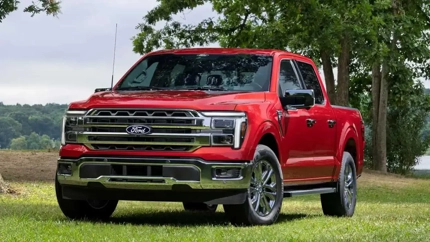
Ford’s American-made vehicles have long been known for their American character and durability. The company aims for a high level of passenger protection, applying advanced engineering solutions and high-quality materials such as high-strength boron steel.
Co-Pilot 360: this comprehensive package of active driver aids helps avoid many common road situations, including automatic emergency braking, lane-keeping assistance, and detection of objects in the vehicle’s path.
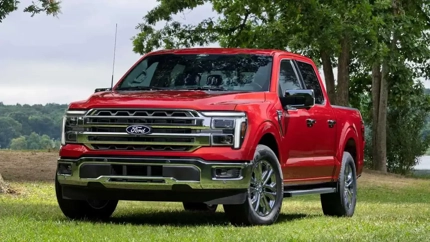
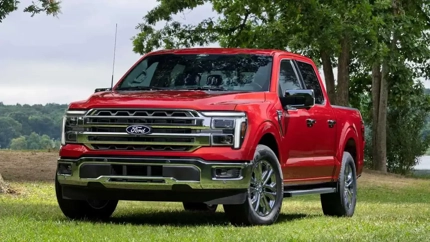
Examples of Ford’s successful developments include the Mustang Mach‑E (electric), the premium-class Explorer crossover, and the iconic F‑150 pickup, each of which has earned high marks from insurers and specialist organizations. The blend of stout structures and approachable tech gives these models broad appeal without sacrificing reassurance.
5. Tesla
A leader in the electric-vehicle market, Tesla is closely associated with high technology and a strong focus on customer safety. Its developments helped shape today’s understanding of autonomous driving and active crash avoidance.
Autopilot: the proprietary system offers semi-autonomous driving modes that help drivers steer clear of many hazardous situations on the highway.
Tesla models such as the compact hatchback Model 3, the Model Y crossover, and the Model S sports sedan have repeatedly demonstrated outstanding results in strength and reliability testing. Their distinctive approach to battery design and mass distribution is aimed at minimizing consequences in the event of a crash—a systems-level mindset that clearly informs how the cars are engineered.