
Brazil is tightening oversight of electric and hybrid vehicle maintenance: ABNT has introduced PR 1025, the country’s first professional qualification standard for work on high-voltage systems. Developed with IQA and debated for two years with automakers, research centers, and industry associations, the document targets the real risks that come with batteries and power electronics, where operating voltages far exceed those in combustion-engine cars. For a maturing market, it’s a timely move.
The standard sets out three certification tiers. The first covers basic mechanical tasks, the second authorizes work on low-voltage systems and support for specialists, and the third grants permission to handle high-voltage components directly: the inverter, electric motor, and traction battery. To qualify for EV service, technicians must complete at least 160 hours of focused training or have two years of relevant experience, plus an additional 40-hour course. Certification is not a one-and-done formality; it must be kept current and matched to the specific vehicle technologies being serviced.
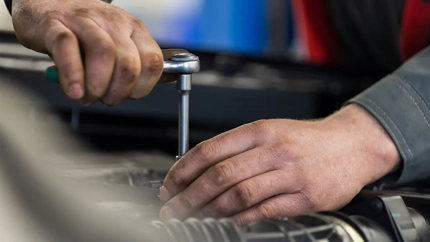
The rationale is hard to dispute. As Brazil’s EV fleet grows, more vehicles are leaving warranty coverage and landing in independent workshops. Without proper preparation, the chance of errors and accidents rises sharply, from short circuits to electric shock. PR 1025 lays down the essentials: protective gear, insulated work areas, dedicated tools, and rigorous procedures aligned with international counterparts. This is the kind of baseline that turns high-voltage work from guesswork into a controlled process.
The document is now in National Consultation. Once approved, repair shops, training centers, and dealerships will need to adapt their programs and processes, while owners will be able to insist on verified qualifications from anyone working on their EVs. That shift in accountability could redefine trust in the independent repair market.