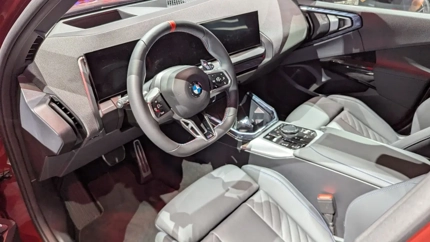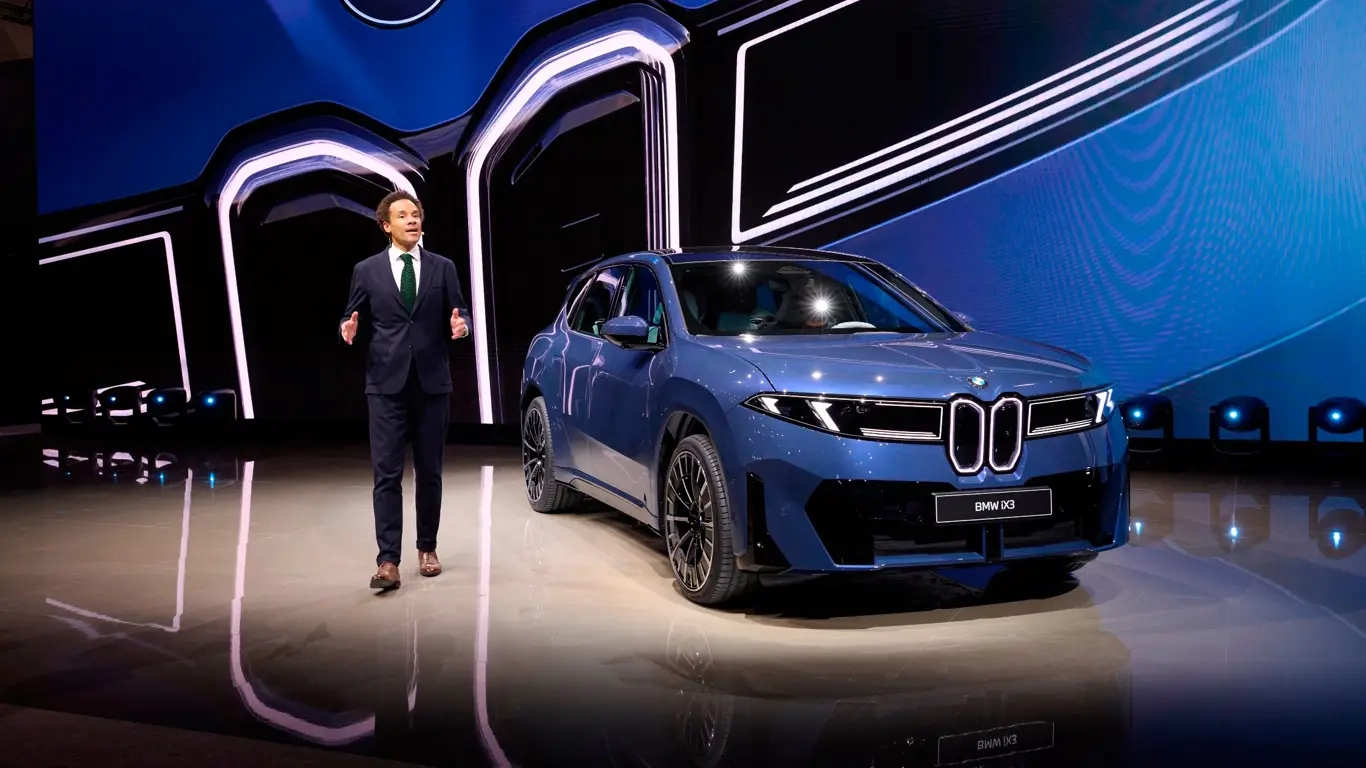

BMW has laid out how its circular design philosophy is steering the next wave of models, including the iX3 within the Neue Klasse lineup. According to Designworks, shrinking the carbon footprint remains central, but the route there runs through materials and visuals that buyers actually want. The approach is evolving step by step and, crucially, doesn’t ask customers to trade away perceived quality or refinement—turning sustainability from a constraint into a design lever.
Designworks emphasizes that sustainability should be seen as an advantage. In what it describes as a “benefit mindset,” eco-conscious solutions are meant to increase a car’s value rather than curb its capabilities. The team treats circular design not only as a matter of material recycling, but as a way to expand both design expression and engineering options. That reframing—from limitation to opportunity—sounds exactly like the brief a premium brand needs to keep products desirable.
Circularity also ties directly to the character of future EVs. A low center of gravity and the instant response of electric powertrains set new requirements for shape, proportions, and a sense of visual strength across different markets. This orientation matters for customers choosing among fresh entries in the premium class, where how a car looks and feels often seals the decision as much as the spec sheet.