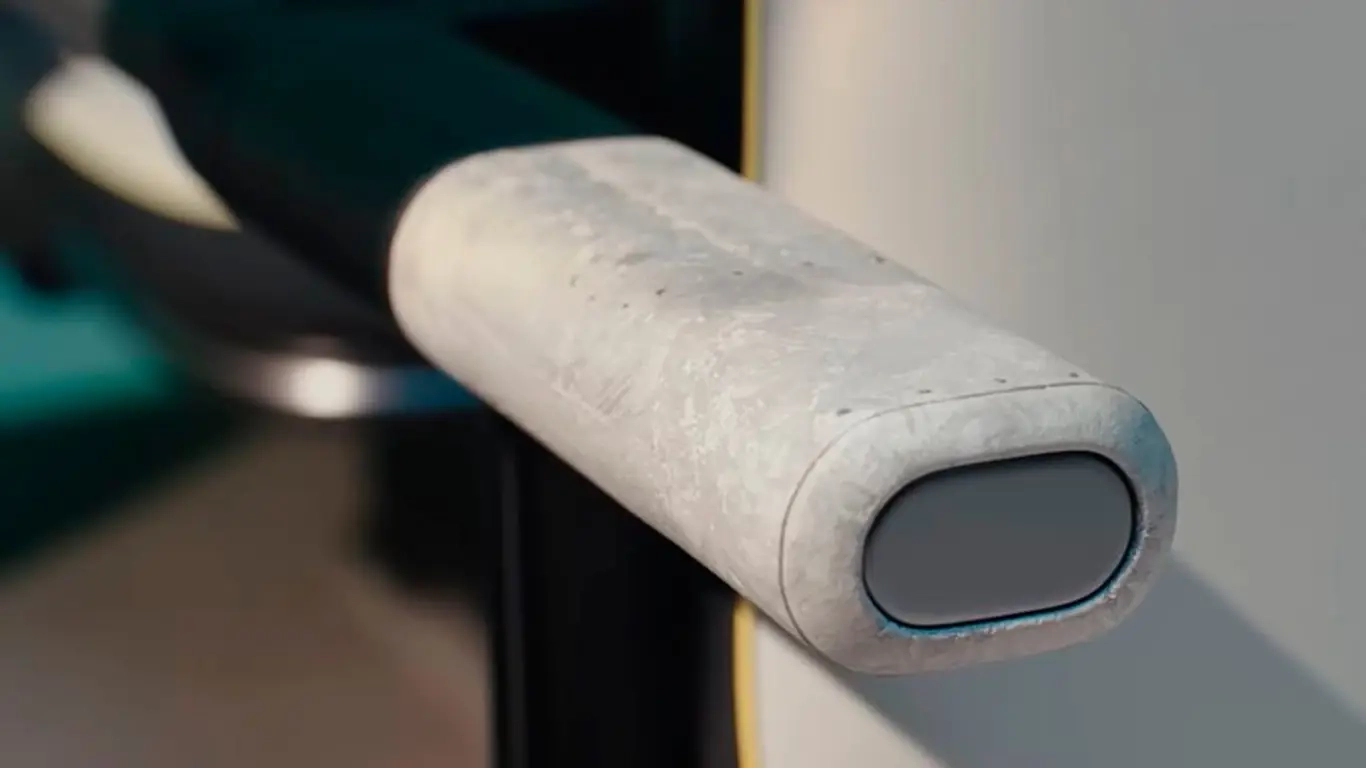

Hyundai Transys and BASF have unveiled a joint development: a modular concept seat created for PBV vehicles. At its core is Elastollan, a thermoplastic polyurethane elastomer processed through supercritical foaming. The material, once used in footwear, has now been adapted for automotive interiors.
The seat demonstrates the potential of the new technology. It is lightweight, highly resistant to wear, and combines a soft touch with a premium look. For the first time, this innovative material is used in the headrest and armrests. The crossover from footwear materials to cabin components feels like a practical move for this kind of application.
The SCF process ensures uniform gas distribution and a fine-cell structure, which boosts mechanical strength, reduces density, and lowers emissions of volatile organic compounds. Because the production method avoids chemical blowing agents, the materials can be recycled after use.
The manufacturers note that the solution reduces energy consumption during production and aligns with circular design principles—points that matter for automakers selecting components with a smaller carbon footprint and clear end-of-life pathways. In that context, the blend of durability, comfort, and low weight looks especially relevant.