
Panasonic 2170 cells to power Zoox robotaxis from 2026
Zoox to use Panasonic’s 2170 cells with a 5% boost from 2026
Panasonic 2170 cells to power Zoox robotaxis from 2026
Panasonic Energy will supply 2170 cylindrical cells to Zoox robotaxis from 2026, with a 5% capacity boost and production moving from Japan to Kansas.
2025-11-27T04:01:35+03:00
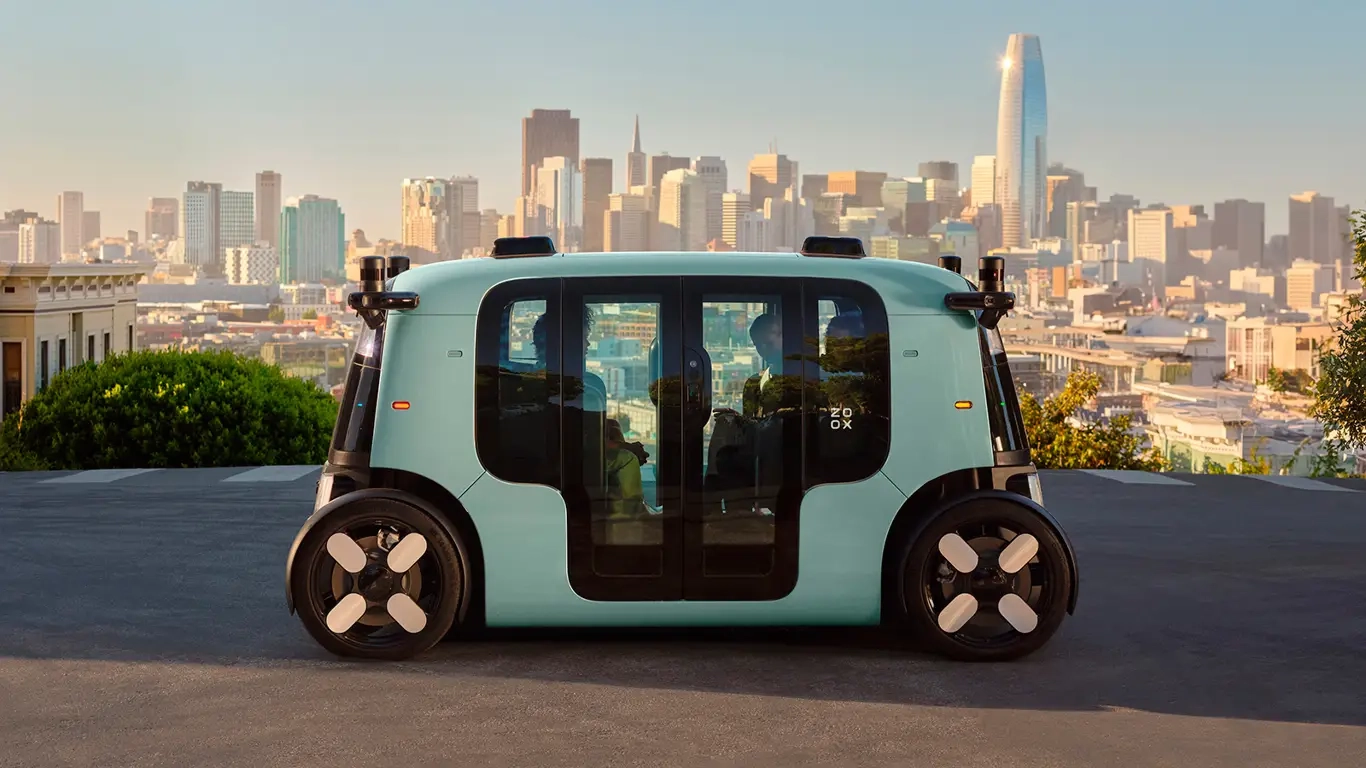
Panasonic Energy has signed a multi-year supply agreement to deliver 2170 cylindrical battery cells for Amazon-owned Zoox robotaxis, with deliveries slated to begin in early 2026. The new-generation cells, built with improved materials, offer about a 5% increase in capacity over previous versions. These cells are already used in several electric vehicles, including Tesla models. A five-percent bump may look modest on paper, yet in fleet duty even small gains can ripple through daily operations.Initial batches will ship from Panasonic’s facilities in Japan before production transitions to a new plant in Kansas. The head of Panasonic Energy said the collaboration with Zoox would allow the company to contribute to solutions for the future of urban mobility. It’s a logical fit: for autonomous shuttles, predictable performance can be as valuable as outright capacity.Zoox plans to scale its service: the first mass-production line for autonomous electric shuttles began operating in Hayward this summer. The company is building out regular routes in Las Vegas and San Francisco. The improved batteries are expected to boost the efficiency of urban EVs—crucial for the stability of autonomous transport and the growth of robotaxi fleets; in dense city cycles, a little extra headroom often translates into steadier uptime.
Zoox to use Panasonic’s 2170 cells with a 5% boost from 2026
news.panasonic.com
David Carter, Editor
04:01 27-11-2025
Panasonic Energy will supply 2170 cylindrical cells to Zoox robotaxis from 2026, with a 5% capacity boost and production moving from Japan to Kansas.
Panasonic Energy has signed a multi-year supply agreement to deliver 2170 cylindrical battery cells for Amazon-owned Zoox robotaxis, with deliveries slated to begin in early 2026. The new-generation cells, built with improved materials, offer about a 5% increase in capacity over previous versions. These cells are already used in several electric vehicles, including Tesla models. A five-percent bump may look modest on paper, yet in fleet duty even small gains can ripple through daily operations.
Initial batches will ship from Panasonic’s facilities in Japan before production transitions to a new plant in Kansas. The head of Panasonic Energy said the collaboration with Zoox would allow the company to contribute to solutions for the future of urban mobility. It’s a logical fit: for autonomous shuttles, predictable performance can be as valuable as outright capacity.
Zoox plans to scale its service: the first mass-production line for autonomous electric shuttles began operating in Hayward this summer. The company is building out regular routes in Las Vegas and San Francisco. The improved batteries are expected to boost the efficiency of urban EVs—crucial for the stability of autonomous transport and the growth of robotaxi fleets; in dense city cycles, a little extra headroom often translates into steadier uptime.